How To Wrap Silverware In A Napkin: Easy Step-By-Step Guide
Wrapped silverware does two things - it keeps your cutlery clean and it makes a table look ready before guests arrive. The good news is you can learn how to wrap silverware in a napkin. This guide introduces where to place utensils, how tight to fold, and all about napkin sizes.
Key Takeaways
- Start with clean, smooth napkins and place the silverware evenly before folding or rolling. Good placement prevents messy wraps.
- Rolling is best for speed, buffets, and casual service. Pocket folds are better for formal dinners, weddings, and seated events.
- Choose the right napkin size and material. Larger cloth napkins create a neater finish, while strong paper napkins work well for quick service.
- We supply high-quality custom napkins that are perfect for wrapping silverware in style, with diverse customization options and competitive pricing.
Table of contents
How To Wrap Silverware In A Napkin
Knowing how to wrap silverware in a napkin is useful for everyday meals and larger events. The basic idea is simple: lay the napkin flat, place the silverware in the right spot, fold the sides over, then roll or tuck the napkin to secure the utensils.
Forks, knives, and spoons should sit straight, with handles lined up near the bottom. This keeps the finished wrap balanced. A good wrap protects the utensils from dust and handling, which is particularly important for buffets and catered meals.
It also makes each place setting look calm and organized. We like this method because it is practical but it also looks great.
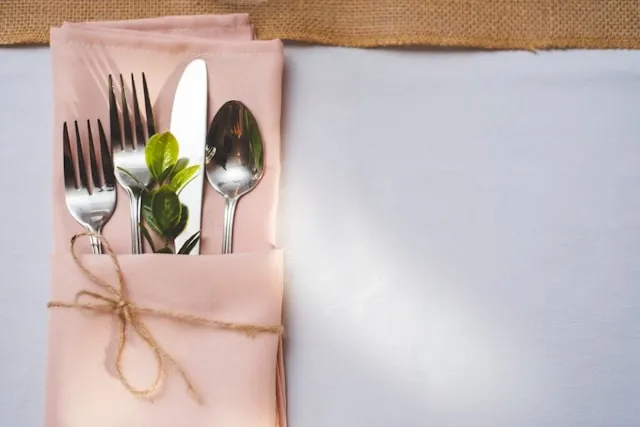
How To Fold Silverware In A Napkin For A Clean And Elegant Finish
Folding silverware in napkins gives a cleaner, more formal look than a basic roll. Start with a large square napkin, preferably 18 to 20 inches if using cloth. From here, the process is as follows:
- Lay it flat, then place the fork, knife, and spoon in the center, with the knife blade facing inward for safety.
- Fold the bottom edge up over the handles.
- Then fold both sides inward so they meet neatly. The fold should be snug, but not crushed.
Cloth napkins hold this shape best when ironed first. Browse our range of custom premium linen luncheon napkins and other options for silverware, perfect for any table setting. Shop now and elevate your dining experience instantly.
|
Style |
Best For |
Formality |
Speed |
Napkin Type |
|
Diagonal Roll |
Buffets, restaurants, large events |
Casual–Semi |
Fastest |
Paper or cloth |
|
Basic Fold (Envelope) |
Home dining, small gatherings |
Semi |
Fast |
Cloth preferred |
|
Pocket Fold |
Weddings, formal dinners |
Formal |
Medium |
Cloth (18–20") |
|
Triple Pocket Fold |
Corporate events, upscale dining |
Formal+ |
Slow |
Stiff cloth |
|
Banded Roll (with ring/ribbon) |
Mixed events, branded setups |
Semi–Formal |
Fast |
Paper or cloth |
How To Roll Silverware In A Napkin Step By Step
Rolling is the fastest method, which is why restaurants and buffets use it so often. Formal table etiquette is particularly important in these environments, and this is a straightforward way to get the right look.
- Lay the napkin like a diamond, with one corner pointing toward you.
- Place the silverware near the lower corner, handles facing down and utensil heads pointing up.
- Fold the bottom corner over the handles.
- Fold the left corner across the silverware, then the right corner across it.
- Now roll upward with steady pressure until the napkin forms a firm bundle.
Do not roll so tight that the napkin wrinkles badly. The best roll feels secure in the hand and does not spring open when placed in a basket.
What Is The Best Way To Roll Silverware?
The best way to roll silverware is the diagonal roll because it is quick, neat, and secure. Professional servers often use this method when preparing many sets at once. To stay consistent, stack napkins in the same direction and line up each fork, knife, and spoon before rolling.
Keep the handles even - this small detail makes the final basket look much better. Common mistakes include placing utensils too close to the edge, rolling loosely, or using napkins that are too small.
If the roll opens, tuck the final corner underneath or use a napkin band. Speed comes after accuracy, not before it - this is one of the most common wedding napkin folds.
How To Wrap Silverware In A Cloth Napkin
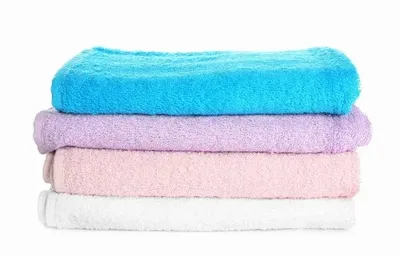
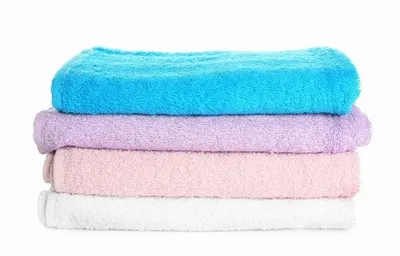
Cloth napkins feel more refined than paper, but they need a little more care. They are thicker, softer, and more likely to shift if the fold is too loose. Before wrapping silverware in cloth napkins, wash, dry, and iron them.
A little light starch helps if you want crisp edges:
- For a casual meal, use a diagonal roll.
- For a formal table, use a pocket fold.
Place the silverware neatly inside, then smooth the fabric with your hands as you fold. These details influence the dining experience through creative and aesthetic principles for multisensory dining.
If the napkin slips open, tie it with ribbon, twine, or a simple napkin band. Linen and cotton usually behave better than slippery satin.
How To Wrap Silverware In Napkins For A Buffet
Buffets need wraps that guests can grab quickly without dropping utensils. The diagonal roll is usually the best choice because it keeps everything together and stacks well in baskets, trays, or bins.
Use strong paper napkins or medium-weight cloth napkins - thin paper tears too easily, especially during long service. Set up an assembly line: napkins first, silverware next, then rolling, then storage. Place finished rolls with the open edge facing down so they do not unravel.
For a nicer display, stand the rolls upright in a clean basket or lay them in rows on a tray. Keep extra sets nearby so the station never looks empty, and make sure everything is arranged for every setting - from napkins to custom cork coasters to placemats.
Looking for napkins for a formal dinner?
Work with us to create custom premium linen dinner napkins in bespoke designs that are easy to wrap around silverware for any occasion.
How To Fold A Napkin To Hold Silverware Using A Pocket Fold
The pocket fold is one of the best ways to fold a napkin with silverware for formal settings. It is a common choice in restaurants or at events like buffets and wedding receptions.
- Start with a square napkin and fold it in half, then in half again to make a smaller square.
- Turn it so the open corners face the top.
- Take the top layer and fold it down halfway, pressing the crease.
- Flip the napkin over, then fold the left and right sides inward in thirds.
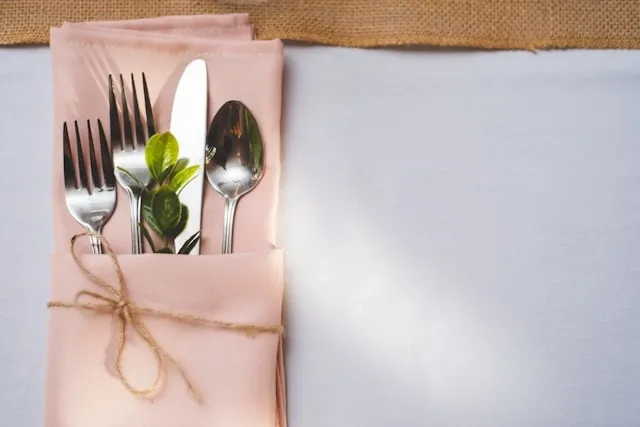
- Turn it back over and you should have a front pocket.
- Slide the fork, knife, and spoon into the pocket with the handles down.
This fold looks neat on plates or beside cutlery.
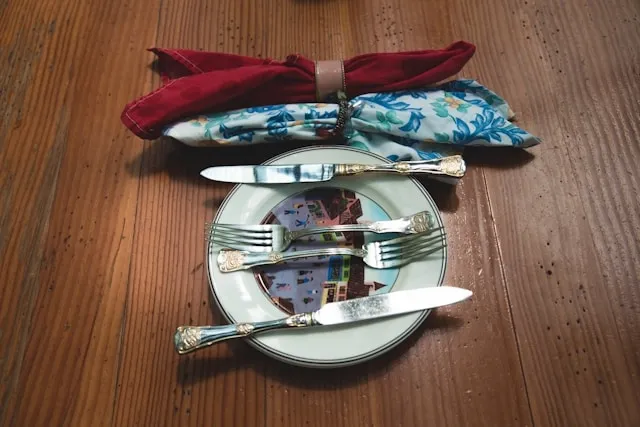
What Is The Triple Pocket Napkin Fold?
The triple pocket napkin fold creates three small slots, usually one each for the fork, knife, and spoon. It looks more detailed than a single pocket fold and works well for weddings, corporate dinners, holiday meals, and formal events.
- Start with a pressed square napkin folded into quarters.
- With the loose corners facing up, fold each top layer down at a slight angle, leaving space between the layers.
- Flip the napkin over, fold both sides inward, then turn it back. The angled layers become pockets.
- Place the fork in one, knife in one, and spoon in one.
It takes practice, but the result feels polished. If you create custom napkins for this, they can be popular types of promotional products for business, perfect at corporate banquets and similar events.
How To Fold Dinner Napkins With Silverware For Formal Settings
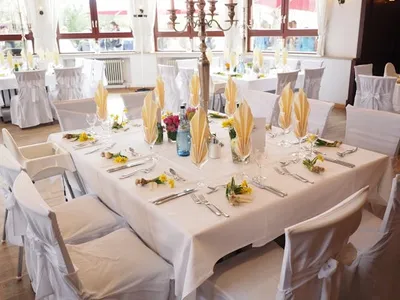
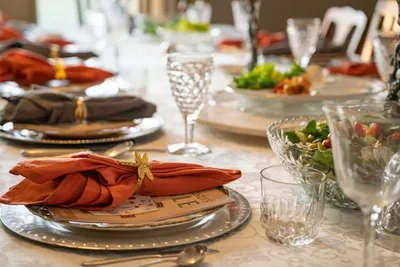
Formal settings need folds that look intentional and hold their shape. Pocket folds, fan-style pockets, and structured rolls with napkin rings all work well. Choose napkin colors that match the table cover, flowers, candles, or menu cards.
Colors that look refined with minimal effort include:
- White
- Ivory
- Navy
- Black
- Deep green
Pre-fold napkins the day before if the event is large, then store them flat in clean boxes. This sets you up for optimal presentation and arrangement - crucial for shaping the overall dining experience.
Cloth is better than paper for formal dinners because it has more weight and body - if using paper, choose thick dinner napkins, not cocktail napkins. A formal fold should frame the silverware, not hide it completely.
Choose cloth napkins for your next banquet dinner
Our custom cloth banquet napkins can be tailored to your occasion and are well suited for wrapping silverware to create an elegant, formal look.
Learn moreHow To Wrap Plastic Silverware In A Napkin
Plastic silverware is lighter than metal, so it shifts more easily inside the napkin. That means the wrap needs to be snug. Use a full-size paper napkin, not a small beverage napkin, and do the following:
- Lay it diagonally.
- Place the plastic fork, knife, and spoon near the bottom point, then fold the lower corner over the handles.
- Fold in the sides and roll firmly.
For picnics, takeout meals, food trucks, and outdoor events, add a napkin band or sticker to stop the roll opening in storage. This can also complement branding on logo napkins, which are top types of promotional products for businesses in catering or restaurant industries.
Store finished bundles in a clean box or covered tray. Keep them dry, because damp paper napkins tear fast.
Creative Ways To Wrap Silverware In Napkins For Special Occasions
Special occasions give you room to add detail without making the wrap hard to use. Try tying rolled silverware with satin ribbon for a dinner party, rustic twine for a barn wedding, or a paper band printed with guest names for a shower.
You can layer two napkin colors, such as white inside sage or blush inside ivory, for a richer look. Small accents also work well:
- Rosemary
- Dried flowers
- Mini tags
- Wax-seal-style stickers
Keep the decoration away from the part guests touch first. Find everything you need to create stunning table presentations, from decorative custom cloth dinner napkins to stylish coasters. We offer diverse customization options and competitive pricing on all products.
Ideas To Wrap Silverware In Napkins For Weddings And Events
Weddings and events need wraps that look beautiful but can be repeated many times. A pocket fold with a menu card tucked behind the fork is a good choice for plated dinners. For buffet service, rolled napkins tied with ribbon are faster and easier for guests to carry.
Draw from historical use of linen and textile materials like napkins for inspiration. You can make simple wraps feel more personal with ideas like:
- Lace bands
- Soft chiffon ribbon
- Dried lavender
- Single-stem flowers
Use the wedding colors, but do not force every color into the napkin. One main color and one accent is usually enough. For a budget-friendly look, choose plain cloth napkins and spend a little more on neat bands or name tags.
How To Place Silverware On A Napkin Before Wrapping
Placement decides whether the final wrap looks neat or awkward. For most wraps, place the fork on the left, knife in the middle, and spoon on the right. Keep the knife blade facing inward, toward the fork, for safety and proper table style.
Here are a few more tips:
- Line up the handles evenly so the bundle feels balanced.
- If rolling diagonally, place the utensils just above the lower corner, not directly on the edge. Too close to the edge, and they can slip out. Too high, and the roll becomes bulky.
- Straight placement is important too for symmetry. Crooked silverware makes even a well-folded napkin look rushed.
Keep these things in mind when rolling your silverware and placing on custom round table covers or other surfaces.
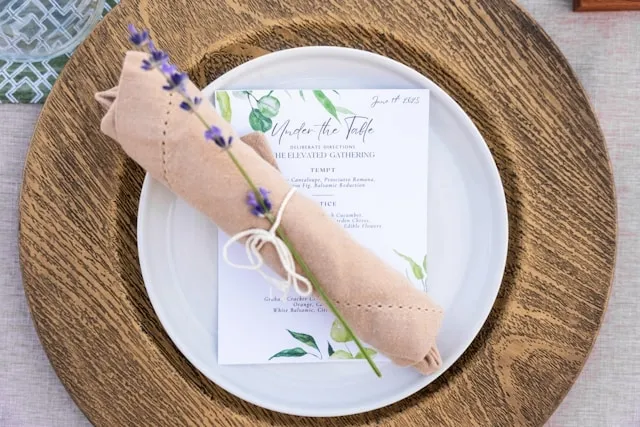
What Size Napkin Do You Need To Roll Silverware?
For a standard three-piece silverware set, a 16 to 20 inch square napkin works best. Cloth napkins around 18 inches are a safe choice for most rolls and pocket folds. Paper dinner napkins should be large enough to cover the handles and still wrap around the utensils at least once.
Small cocktail napkins are usually too short unless you are wrapping only a fork. Bigger napkins create fuller rolls, which can look more elegant, but very thick cloth can become bulky. Napkins play a role in hygiene and cleanliness once dining begins, but they are all about presentation for table setting
Test one sample before preparing the full table. If the roll feels loose, go larger or add a band.
Create beverage napkins that work for a variety of occasions
With our service, you can create custom premium beverage napkins to wrap silverware at any occasion in an aesthetic that works for you.
Tips For Wrapping Silverware In Napkins Successfully
Consistency is the secret to wrap silverware successfully. Press cloth napkins before folding, and smooth paper napkins flat before rolling. This ensures a smooth look before you begin.
Here are some more tips:
- Set up your work area so every napkin faces the same direction.
- Place utensils in the same order each time.
- If you are wrapping for a large event, wear gloves and handle silverware by the handles to keep everything clean.
- Check that odd-sized knives or soup spoons do not create lumps. If they do, adjust the angle or use a larger napkin.
- After wrapping, pick up one bundle and shake it gently over the table. If anything slips, tighten the fold before making the rest.
Whether you are working with custom debossed beverage napkins or cloth or linen varieties, these tips will help you get the best results when wrapping utensils.
Frequently Asked Questions About How To Wrap Silverware In A Napkin
How Do You Wrap Silverware In A Napkin Correctly?
Lay the napkin flat, place the fork, knife, and spoon evenly near the center or lower corner, fold over the handles, then roll or tuck the sides neatly.
How Do You Make A Napkin Pocket For Silverware?
Fold a square napkin into quarters, fold the top layer down to form a pocket, flip it, fold both sides inward, then turn it back and slide the utensils inside.