How Are Magnets Made: Step By Step Guide Explained Simply
Magnets feel simple because we use them without thinking to hold notes on a fridge or sit inside machinery. Still, how magnets are made is surprisingly careful. In this guide, we look at how they are shaped, heated, pressed, treated, and magnetized to create the products we know and love.


Key Takeaways
- Most commercial magnets are made from iron, nickel, cobalt, ferrite, alnico, or rare earth alloys such as neodymium-iron-boron.
- A permanent magnet is produced when magnetic domains inside the material are aligned and stay aligned after the outside field is removed.
- Heat, hard impact, corrosion, poor material purity, and strong opposing magnetic fields can weaken magnets over time.
- We supply high-quality custom magnets in various styles that you can use for branding or offering practical solutions with reliable magnets at great prices.
How Are Magnets Made?
So, just how are magnets made? In commercial magnet manufacturing, the process usually starts with raw materials like iron oxide, strontium carbonate, cobalt, nickel, aluminium, or rare earth metals.
Depending on the magnet type, these materials may be:
- Weighed
- Mixed
- Melted
- Crushed
- Milled into a fine powder
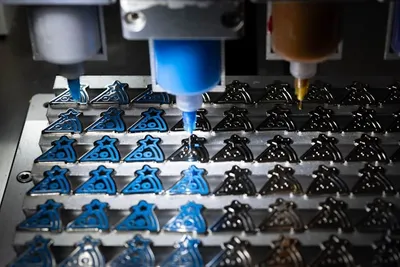
The powder is then pressed into a mold, often while a magnetic field helps guide the particles into position. After pressing, the shape is heat treated or sintered so the particles bond into a dense solid.
The magnet may then be ground to size, coated, tested, and magnetized. That final magnetizing step is what gives it its working pull.

How To Make A Magnet At Home
If you want to know how to make a magnet at home, start small. The easiest method is to rub a strong magnet along a steel needle, nail, or screwdriver in one direction about 30 to 50 times.
Do not rub back and forth, because that cancels some of the effect. An alternative is to wrap insulated copper wire around a nail, connect the wire ends to a battery, and make a simple electromagnet. Be mindful of the following safety tips:
- Use gloves
- Avoid short circuits
- Disconnect the battery quickly if the wire gets warm
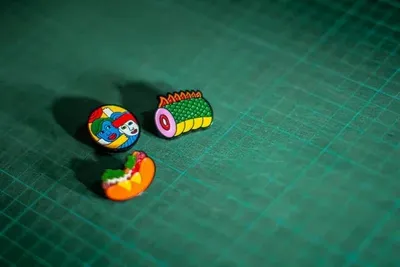
This will not create an industrial permanent magnet, but it shows how magnetism can be guided. If you want a custom die cut magnet, our service offers deep personalization and affordable pricing with generous bulk discounts.
|
Magnet Type |
Strength |
Cost |
Corrosion Resistance |
Heat Resistance |
Common Uses |
|
Ferrite (Ceramic) |
Low–Medium |
Low |
Excellent |
Good |
Fridge magnets, speakers, promotional magnets |
|
Alnico |
Medium |
Medium–High |
Good |
Excellent |
Sensors, instruments, motors |
|
Neodymium (NdFeB) |
Very High |
Medium–High |
Poor (needs coating) |
Moderate |
Electronics, tools, strong holding magnets |
|
Samarium-Cobalt (SmCo) |
High |
High |
Excellent |
Excellent |
Aerospace, medical devices, high-heat applications |
|
Flexible / Rubber |
Low |
Low |
Good |
Low |
Fridge magnets, signage, business card magnets |
|
Lodestone |
Very Low |
Rare / Not commercial |
Natural mineral |
Natural variation |
Educational use, historical interest |
What Are Magnets Made Of?
What are magnets made of? Most magnets are made from ferromagnetic materials, which means materials that can hold strong magnetic alignment. Common examples include iron, nickel, and cobalt.
Let’s look at the makeup of a few types of magnets:
- Ceramic ferrite magnets are often made from iron oxide mixed with barium or strontium compounds.
- Alnico magnets use aluminum, nickel, cobalt, and iron.
- Rare earth magnets use elements such as neodymium or samarium, blended with other metals.
These formats show the evolution from early magnetic materials like ferrites to modern permanent magnets like neodymium-iron-boron.
Natural magnets are different. Lodestone, for example, is a naturally magnetized form of magnetite. The exact mix matters because it affects strength, heat resistance, corrosion behavior, brittleness, and how long the magnet keeps its pull.
What Metal Are Magnets Made Of?
Many people ask what metal are magnets made of, but there is not one answer. Iron is the most common base because it is strongly ferromagnetic and widely available. But there are different considerations for different magnets.
Nickel and cobalt are also important because their atoms can form stable magnetic alignment.
- In alnico magnets, aluminum, nickel, cobalt, and iron create a tough magnet that handles heat well.
- In neodymium magnets, iron works with neodymium and boron to create very high strength.
Some metals, such as copper or aluminum, are not naturally magnetic in the same useful way. That is why they are used for wiring or parts, not for the magnet core.
Strong magnetism is important to make custom promotional magnets do what they do - a fundamental part of how to use custom printed promotional items effectively.
What Is The Main Element Used In Making A Magnet?
Iron is the main element used in many magnets, especially when we look at common magnet production across ferrite and rare earth types. The reason is simple: iron atoms have electron behavior that allows magnetic domains to align strongly.
On its own, iron can be magnetized, but it may lose that magnetism more easily than a purpose-made alloy. That is why manufacturers add other elements:
- Boron helps neodymium-iron magnets form a strong crystal structure.
- Cobalt improves heat performance in some magnets.
- Strontium or barium helps ceramic magnets become stable and low cost.
Iron gives the base, while the added elements sharpen the performance. The mix matters as some become permanent magnets while others don’t.

Looking to add your branding to a magnet?
Whether for fridges or anything else, our custom circle magnets make great promotional items that you can add any design and information to.
What Defines A Permanent Magnet And Why It Matters
A permanent magnet is a material that keeps its magnetic field after it has been magnetized. It does not need a battery, power supply, or active coil to keep working. That makes it different from an electromagnet, which only creates a magnetic field when electric current flows through it.
It is also different from a temporary magnet, like a paper clip that becomes weakly magnetic near a stronger magnet but loses most of that effect later. Permanent magnets matter because they provide steady force in motors, sensors, latches, speakers, tools, and lifting systems.
Their value comes from reliable pull without ongoing energy use. They are also popular for things like fridge magnets or custom bag clips with magnet components.
What Materials Are Used To Make Permanent Magnets?
Permanent magnets are made of materials that resist losing their magnetic alignment. The most common types include ceramic ferrite, alnico, neodymium-iron-boron, and samarium-cobalt.
- Ferrite magnets are affordable and resist corrosion well, but they are not as strong as rare earth types.
- Alnico handles high temperatures and has good stability.
- Neodymium magnets are very strong for their size, but they can corrode if not coated.
- Samarium-cobalt magnets cost more, but they perform well in high heat and harsh settings.
Purity makes a difference. If the source materials contain the wrong impurities, the finished magnet may be weaker, less stable, or more likely to fail early.
Do Permanent Magnets Last Forever?
Permanent magnets do not truly last forever under every condition. They can keep their magnetism for many years, sometimes decades, but they can weaken if treated badly.
Heat is one of the biggest problems. Every magnet material has a temperature limit, and going past it can disturb the internal alignment. Strong opposing magnetic fields can also reduce pull. So can hard impact, cracking, corrosion, or poor storage.
A good magnet kept dry, cool, and away from strong reverse fields can stay useful for a very long time. In real life, “permanent” means stable under normal conditions - keep this in mind to choose the right custom merchandise for business that includes magnets.
How Permanent Magnets Are Made
How are permanent magnets made? The method depends on the material, but many strong magnets begin as carefully prepared powder. Manufacturers crush or mill the alloy into fine particles, then press the powder into a die.
Sometimes the pressing happens inside a magnetic field so the particles line up before the magnet becomes solid. The pressed piece is then sintered, which means heated below its melting point until the particles bond tightly.
After cooling, the magnet is machined or ground to its final size. Since many magnets are brittle, this step takes care. Coating may follow, then a powerful magnetizer aligns the domains.
This is the process to create our custom square magnets, but work with us to incorporate bespoke designs for branding or personalization at great prices with generous bulk discounts.
Create custom acrylic magnets that display your designs beautifully
Work with us to create beautiful acrylic magnets with your personalized designs for souvenirs or business giveaways.
Learn moreHow Do Permanent Magnets Work?
Permanent magnets work because tiny regions inside the material, called magnetic domains, are aligned in the same general direction. In an unmagnetized piece of iron, many domains point different ways, so their effects cancel out.
In a permanent magnet, enough domains point together to create a clear north pole and south pole. At the atomic level, electron spin and electron movement help create magnetic behavior. This is achieved differently depending on where magnets originate from.
Ferromagnetic materials are special because their internal structure allows these effects to add up instead of canceling. Once the domains are locked in place by the material’s structure, the magnet keeps producing a field without needing electric power.
What Causes Magnets To Attract And Repel Each Other?
Magnets attract when opposite poles face each other: north to south. They repel when like poles face each other: north to north or south to south. A simple way to picture this is through magnetic flux lines.
These lines show the direction of the magnetic field around a magnet, moving from north to south outside the magnet. Where the field is stronger, the lines are closer together. Distance matters a lot:
- Two magnets close together can snap together with force.
- The same magnets a few inches apart may barely move.
This is why strong magnets need careful handling, especially near fingers. They can be used in mechanical or electrical systems, or for simple, practical items like children’s toys or custom business card magnets.
Choose a magnet with extra functionality
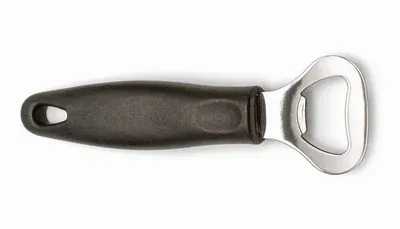
Use our service to create bottle opener magnets that display your design and are there for people to use when they need them most.
How Are Rare Earth Magnets Made?
Rare earth magnets, such as neodymium and samarium-cobalt magnets, are among the strongest magnets sold today. The process starts long before the factory press. Rare earth ores must be mined, crushed, chemically refined, and separated into usable elements.
Those refined metals are then combined with other materials, such as iron and boron for neodymium magnets. The alloy is:
- Melted
- Cooled
- Crushed into powder
- Pressed in a magnetic field
- Sintered
- Machined
- Coated
- Magnetized
Rare earth magnets can be challenging to obtain, so they do raise questions about the green energy transition. The critical raw materials leave an environmental footprint in the mining and manufacturing processes.
What Materials Make Magnets Strong?
Strong magnets come from the right materials, clean processing, and tight control over structure. Neodymium, iron, and boron create very high magnetic strength because they form a crystal structure that holds domain alignment well.
Samarium and cobalt also produce strong magnets, especially where heat resistance matters. The purity of each ingredient affects the maximum energy product, which is a key measure of magnetic power.
Still, strength comes with trade-offs:
- Neodymium magnets are powerful but brittle and often need nickel, zinc, epoxy, or other coatings to resist corrosion.
- Ferrite magnets are weaker, but cheaper and tougher against rust.
The best material depends on the job. Magnets are often key components of many popular types of promotional products for business, but you need to know those magnets are reliable.

Where Magnets Come From
Magnets come from both nature and industry. In nature, magnetic minerals form in iron-rich rock deposits, especially where geological heat, pressure, and chemical conditions create magnetite. Some of that magnetite can become naturally magnetized and form lodestone.
Today, most magnets come from factories, not from rocks picked out of the ground. Raw materials may be mined in different parts of the world, then:
- Refined
- Blended
- Manufactured into finished magnets
The “mine to magnet” pathway of rare earth magnets depends heavily on rare earth mining and processing, while ferrite magnets rely on more common iron-based materials. Natural magnets are found, while modern magnets are engineered for a target purpose.
How Are Magnets Made In Nature?
Natural magnets form when iron-rich minerals become magnetized through geological forces. Lodestone is the best-known example. It is a naturally magnetized form of magnetite, and it can attract small pieces of iron.
Scientists believe lodestone may form when magnetite is exposed to strong natural magnetic effects, such as:
- Lightning strikes
- The long-term influence of Earth’s magnetic field under the right conditions
Ancient people discovered lodestone long before they knew about electrons, domains, or field lines. They used it for early compasses and navigation. That is a fascinating detail: nature gave people a working tool before science had the words to explain it.
Today, we still use magnetism for compasses, but also for things like message board magnets and advanced medical and engineering equipment.
Frequently Asked Questions About How Are Magnets Made
How Are Magnets Made Step By Step?
Magnets are made by preparing magnetic materials, forming or pressing them into shape, heat treating or sintering them, machining them to size, coating them if needed, and magnetizing them with a strong external field.
What Materials Are Used To Make Magnets?
Common magnet materials include iron, nickel, cobalt, ceramic ferrite, alnico, neodymium-iron-boron, and samarium-cobalt. The best choice depends on strength, heat resistance, cost, and durability.