How To Clean Water Bottle? Daily Hygiene, Deep Cleaning, And Long Term Safety
Reusable water bottles are part of daily life now. We toss them into bags, refill them without thinking, and assume water equals clean. But that assumption causes most hygiene problems as moisture lingers and bacteria quietly settles in.
In this guide, we look at how to clean water bottles properly, and it’s all about developing good habits. We have seen people replace bottles unnecessarily when a simple cleaning routine would have solved the issue. You don’t need special tools or chemicals, just consistency.

Key Takeaways
- Consistent daily cleaning prevents bacteria buildup better than occasional deep scrubbing.
- Different materials need different care, especially plastic versus metal bottles.
- Drying and storage matter as much as washing when it comes to long term hygiene.
- We supply high-quality custom water bottles in a range of styles and materials that you can personalize at will and clean easily for long-term use.
Table of contents
-
How To Clean Water Bottle?
-
Best Way To Clean A Water Bottle Properly
-
How To Sanitize And Disinfect A Water Bottle Safely
-
How To Deep Clean A Water Bottle For Heavy-Duty Cleaning
-
How To Clean A Plastic Water Bottle Without Damaging It
-
How To Clean A Metal Water Bottle The Right Way
-
How Do I Clean The Inside And Bottom Of A Water Bottle?
-
Can I Clean My Water Bottle In The Dishwasher?
-
How Often Should You Clean Your Water Bottle For Hygiene?
-
How Can I Naturally Clean Water Bottles At Home?
-
How Should You Dry And Store A Drinking Bottle After Cleaning?
-
What Safety And Maintenance Tips Keep Water Bottles Hygienic?
How To Clean Water Bottle?
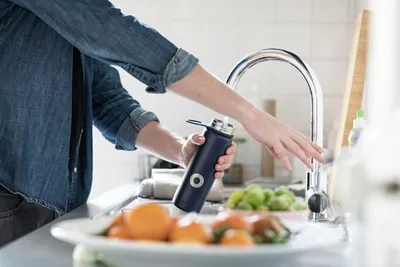
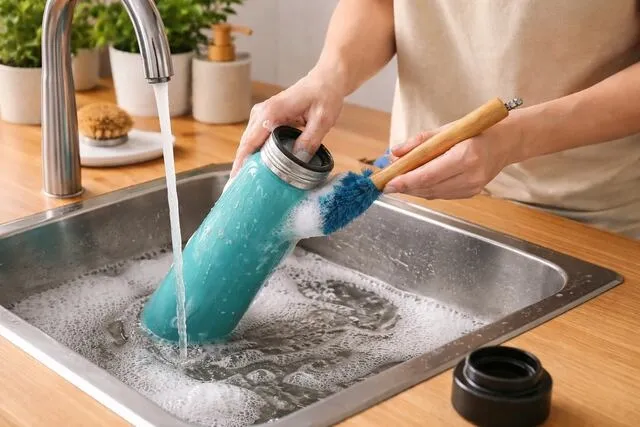
A beginner-friendly approach is best for cleaning water bottles. Warm water, mild dish soap, and a bottle brush handle most daily cleaning needs. To loosen residue early, we suggest the following basic process:
- Fill the bottle halfway.
- Add a little soap.
- Seal it.
- Shake it vigorously before scrubbing.
Consistency is more important than technique for washing your custom Win Chaser stainless steel sports bottle. By cleaning once a day, you have a more effective solution than aggressive cleaning once a week.
Supplies are deliberately kept simple: soap breaks down the biofilm, brushes reach the interior walls, and air drying finishes the job. People often overthink how to clean a water bottle, but the basics work when repeated.
How Should We Clean Reusable Bottles?
Reusable bottles face repeated exposure to saliva, temperature changes, and environmental bacteria. That combination demands regular care. Over time, small scratches or wear areas trap residue, especially around threads and lids. Research suggests that reusable water bottles can develop very high bacterial counts in as little as 24 hours if not cleaned.
Neglect increases hygiene risks even if the bottle looks clean. We have noticed reusable bottles develop odor faster than expected when cleaning is inconsistent. Washing after each day of use keeps bacteria from establishing itself.
Reusable design means long term use, but only if care matches that intent. Treating them like disposable bottles shortens their lifespan and compromises safety. Attention to routine makes reuse work the way it should.
|
Feature |
Plastic Water Bottles |
Stainless Steel Bottles |
Insulated Bottles |
|
Odor Retention |
High – absorbs smells from flavored drinks over time |
Low – resists odor when cleaned regularly |
Moderate – odors usually come from lids or trapped moisture |
|
Scratch Risk |
High – micro-scratches form easily and trap bacteria |
Low – more resistant to surface damage |
Low inside, but lids and seals are vulnerable |
|
Dishwasher Safety |
Sometimes – only if manufacturer approved |
Often safe, but check coatings |
Rarely recommended due to vacuum seal damage |
|
Ideal Cleaning Frequency |
Daily washing strongly recommended |
Daily washing recommended |
Daily washing + frequent lid cleaning |
|
Deep Cleaning Needs |
More frequent due to odor retention |
Less frequent if maintained well |
Necessary when moisture or smells persist |
|
Common Problem Areas |
Interior scratches, bottom seams |
Threading and caps |
Lids, seals, straws, trapped moisture |
|
Heat Sensitivity |
High – hot water can warp plastic |
Low |
High – heat can damage insulation |
|
Lifespan with Proper Care |
Shorter |
Long |
Long, but dependent on lid condition |
Best Way To Clean A Water Bottle Properly
The best way to clean a water bottle depends on how often it is used. We think best means safe, practical, and repeatable - overly complex methods rarely last. With that in mind, let’s look at the differences between fast cleaning and more thorough cleaning:
- For daily use, soap and warm water handle most hygiene concerns. Fast cleaning removes surface residue.
- For heavier use, a more thorough approach helps. Thorough cleaning removes biofilm.
Both of these methods have a place, and usage frequency matters. For example, gym bottles need more frequent cleaning than desk bottles. The method should match the habit.
When cleaning fits daily routines, it is more likely to actually happen. The same goes for similar portable drinkware like custom metallic collapsible can coolers. Remember, consistency matters more than any single technique.
Best Thing To Clean Water Bottles With
Dish soap remains the most reliable option to clean water bottles. It breaks down oils and biofilm without damaging materials. However, there are some good alternatives, including natural cleaners and cleaning tablets:
- Natural cleaners like vinegar or baking soda help with odors but are less effective alone.
- Cleaning tablets work well for occasional deep cleaning but are not necessary every day.
Researchers have found that cleaning reusable water bottles with appropriate washing strategies dramatically lowers bacterial loads, so it’s important to find the methods that work best for you.
We recommend that you avoid harsh chemicals or abrasive cleaners. Those damage surfaces and create new places for bacteria to hide. Effectiveness and safety should balance.
The best way to clean reusable water bottles keeps materials intact while removing contamination. Gentle products used consistently outperform aggressive ones used occasionally.
In search of a classic plastic sports bottle?
Try our custom Quench Master water bottles for personalized designs and low-maintenance construction.
How To Sanitize And Disinfect A Water Bottle Safely
Cleaning removes dirt and sanitizing reduces bacteria. Disinfecting, meanwhile, targets harmful microorganisms. People often confuse these steps, so it is worth noting the differences. Understanding how they compare prevents unnecessary wear while keeping bottles safe.
Sanitizing becomes necessary after things like:
- Illness
- Visible mold
- Prolonged neglect
Odors often signal bacterial growth, not the need for chemicals. Soap is perfect for handling daily cleaning. Sanitizing solutions should be reserved for deeper concerns. We recommend reserving disinfecting methods for when there is a clear reason as overuse can damage bottles or seals.
We supply high-quality custom Game Changer sports water bottles and many other water bottle types. Our products can be personalized and they are offered at affordable prices, with durable builds and easy-clean designs for your convenience.
How To Deep Clean A Water Bottle For Heavy-Duty Cleaning
Deep cleaning goes beyond daily washing. We usually treat deep cleaning as a reset rather than a routine. Experts say that most bacterial contamination is linked to poor or inconsistent cleaning between uses, and deep cleaning becomes necessary when you notice things like:
- Lingering odors
- Slick residue
- A neglected bottle
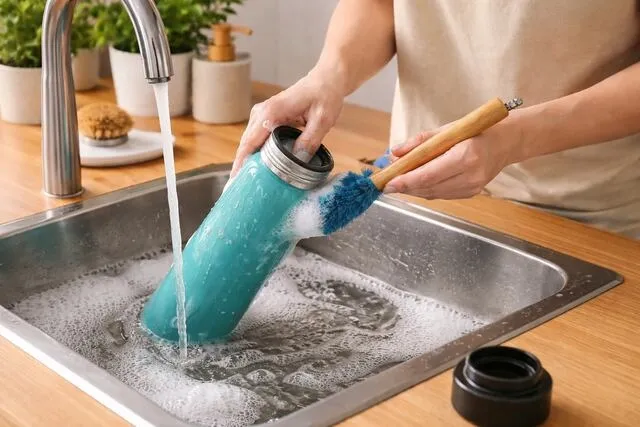
Warm water, soap, and longer soak times loosen stubborn buildup. Brushes matter more here, especially around threads and seams. Weekly deep cleaning works for heavy users, while monthly is enough for lighter use.
Overdoing it can wear materials down - the goal is restoration, not punishment. People often wait too long, then overcorrect. Regular light care reduces the need for aggressive deep cleaning later.
How To Clean A Plastic Water Bottle Without Damaging It
Plastic bottles need gentler handling. High heat and harsh chemicals can warp plastic or cause it to retain odors. Abrasive cleaners and harsh scrubbing can cause scratches, creating crevices for bacteria to build up.
Here are some simple tips:
- Warm water works better than hot.
- Mild soap stays safest.
- We avoid dishwashers unless the manufacturer allows it.
Plastic holds onto smells more than metal, especially after flavored drinks. Baking soda helps with odor but should not replace soap. Scrubbing too hard creates micro scratches that trap bacteria.
When people ask how to clean a plastic water bottle without a brush, soaking and shaking helps, but brushing remains more effective. Whether you buy or make custom tumblers in plastic, gentle methods preserve material longer.
Enjoy a touch of elegance and easy-clean design
Work with us to create custom Slim Elegance metallic tumblers for a sleek finish with your personalized design.
Learn moreHow To Clean A Metal Water Bottle The Right Way
Metal bottles feel tougher, but they still need thoughtful care. Stainless steel resists odor but traps moisture if not dried properly. Odors usually come from lids, not metal walls. People often clean the bottle and forget the cap - proper care focuses on both parts.
Let’s look at a couple of basic tips:
- Soap and warm water clean effectively.
- Abrasive cleaners damage interior finishes and insulation.
- We recommend avoiding bleach or strong acids.
Insulated bottles deserve extra attention since moisture stays trapped longer. Studies have found that reusable water bottles can harbor pathogenic organisms if you don’t clean well or often enough, and metal bottles reward consistency.
When cleaned regularly, metal bottles stay neutral and fresh longer than most materials.
How Do I Clean The Inside And Bottom Of A Water Bottle?
The inside of a water bottle is where problems hide. Biofilm forms invisibly along walls and at the bottom seam. That is the area that stays wet longest, so you need to use the right methods to get into them effectively.
Bottle brushes matter here more than shaking alone. We have seen bottles smell clean but test dirty because the bottom was ignored. Here are a few quick tips for more efficient cleaning:
- Tilting the brush slightly helps reach corners.
- Letting soap sit briefly improves effectiveness.
- Many people rinse too quickly - slow cleaning works better.
Custom water bottles are popular types of promotional products for business, but it is important to keep them clean. Interior cleaning is not about force, but coverage. Missing one area allows bacteria to spread again quickly.
How Do I Clean The Bottom Of A Water Bottle?
Sediment settles at the bottom where water movement is minimal. That makes it an odor trap. Focused brushing solves most issues but, if residue persists, soaking helps loosen buildup.
We suggest that you turn the bottle upside down during soaking to let the solution reach the base. Bottom cleaning is often skipped because it is hard to see, but that is where most smells originate.
Gentle attention there extends time between deep cleans. Once people focus on the bottom, many recurring odor problems disappear.
Want to stand out at the gym when hydrating?
Use our service to create custom Active Fit sports water bottles that look fantastic and are easy to clean.
Can I Clean My Water Bottle In The Dishwasher?
Dishwashers work for some bottles, but not all. Material and construction matter - for instance many people ask whether insulated tumblers are dishwasher safe. Let’s look at a few different water bottle types and common recommendations for dishwashers:
- Stainless steel bottles often tolerate dishwashers.
- Plastic may warp in that environment.
- Insulated bottles risk losing vacuum seals.
- Lids and straws usually benefit from top rack placement.
We always strongly recommend that you check manufacturer guidance. Dishwashers clean well, but heat is notorious for accelerating wear. Using them occasionally works better than relying on them daily.
Dishwashers offer convenience, not perfection, while hand washing gives more control.
How Often Should You Clean Your Water Bottle For Hygiene?
Daily cleaning supports hygiene best. If you only use your bottle occasionally, you can stretch to every other day, but daily use means daily washing. The same applies to custom Hike-N’-Sip insulated travel mugs and other portable drinkware.
Activity level matters:
- Gym use demands more frequent cleaning.
- Gentle desk use is less likely to lead to aggressive bacteria buildup.
We have seen people clean less because water looks clean. Bacteria does not care about appearance, so cleaning frequency should match exposure, not assumptions. Consistent routines protect health quietly.
When cleaning becomes habit, it stops feeling like maintenance and starts feeling automatic. Aim for consistency and you will be more likely to keep on top of the cleaning of your water bottle.
How Can I Naturally Clean Water Bottles At Home?
Natural methods appeal to people avoiding chemicals. However, they work best as supplements, not replacements. Soap still removes biofilm more effectively. Here are some natural cleaning agents that people use to good effect for odor control in water bottles:
- Vinegar
- Baking soda
- Lemon
Natural cleaning works for maintenance, not neglect. We have used baking soda successfully for mild smells, but for heavy buildup, natural options struggle. Remember, the research tells us that longer intervals between cleaning increases microbial counts, so consistent cleaning matters.
Balancing safety, sustainability, and effectiveness is important. Natural cleaning fits best into regular routines, not emergency fixes.
Experience supreme hydration with a user-friendly experience
Our custom Hydrate Pro plastic water bottles are the ultimate solution for personalized hydration wherever you need it.
Get startedHow Should You Dry And Store A Drinking Bottle After Cleaning?
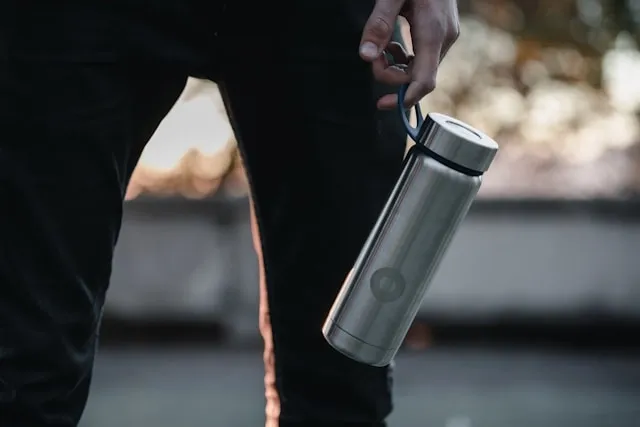
Drying matters more than most expect, as damp bottles invite mold. If moisture lingers inside your water bottle because you seal it too early, mildew and mold are more likely to develop. Air drying with the lid off allows moisture to escape.
We typically avoid towel drying interiors because fibers stay behind and you don’t want microplastics in your next drink. When you store your water bottle, remember the following:
- Storage should allow airflow.
- Closed cabinets trap humidity.
Leaving bottles open prevents mildew. We have noticed bottles stored closed develop odors faster. Dry storage extends cleanliness, while cleaning without proper drying limits effectiveness.
What Safety And Maintenance Tips Keep Water Bottles Hygienic?
Whether you are using a custom Carry Mate aluminum water bottle with snap lid or any other water bottle type, there are some common maintenance tips to follow. Be mindful of these things when you are considering how to keep your bottle hygienic:
- Check dishwasher labels before using heat.
- Clean small parts separately.
- Replace worn seals early.
- Keep brushes clean at all times, as dirty tools spread bacteria. We rinse brushes after use and let them dry fully.
Maintenance extends beyond the bottle itself. Simple checks of your cleaning tools and agents prevent long term issues. Hygiene stays manageable when tools and habits support each other.
Frequently Asked Questions About How To Clean Water Bottle
How To Clean Water Bottle For Everyday Use?
Daily washing with soap and warm water keeps bottles hygienic and prevents odor buildup.
Can You Clean A Water Bottle In The Dishwasher?
Some bottles are dishwasher safe, but material and insulation determine whether heat causes damage.