What Are Belt Buckles Made Of? Material Breakdown, Metal Types, And Durability
When people ask what belt buckles are made of, they are usually expecting a simple answer. In reality, the materials vary widely depending on price, purpose, and the kind of wear the buckle is meant to handle.
In this guide, we explore the impact of belt buckle material on durability, weight, and how the buckle ages with time. Learn the basic categories to choose the right buckle easily, comparing different options against your needs.


Key Takeaways
- Most belt buckles fall into a few predictable material families. Once you know them, identifying quality becomes more straightforward.
- Metals remain the most common choice. Cheaper buckles often use lightweight zinc or thin alloys, while higher-end pieces rely on brass, stainless steel, or bronze.
- Non-metal materials appear more often today, especially plastics used for modern lightweight designs.
- We supply high-quality custom belt buckles made from sturdy stainless steel for personalized designs and long-term enjoyment.
Table of contents
-
What Are Belt Buckles Made Of?
-
What Are Cheap Belt Buckles Made Of?
-
How Can You Identify Specific Metals In A Belt Buckle?
-
What Belt Buckle Material Doesn’t Irritate Skin?
-
What Should You Know About Brass & Bronze Belt Buckles?
-
What Should You Know About Stainless Steel Belt Buckles?
-
What Are Most Western Belt Buckles Made Of?
-
What Were Civil War Belt Buckles Made Of?
-
What Is The Best Material For A Belt Buckle?
What Are Belt Buckles Made Of?
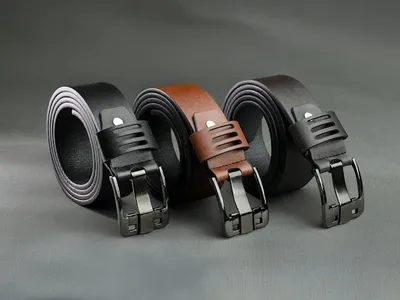
You might be surprised at the sheer range of materials that belt buckles can be made from. Each material offers its own set of advantages. Most traditional buckles rely on metals like:
- Brass
- Zinc alloys
- Stainless steel
- Bronze
This is because they hold their shape well under stress.
Some buckles introduce plastics or composite materials when weight or cost is a priority. Manufacturers choose materials based on corrosion resistance, appearance, and how much wear the buckle is intended to endure.
Even decorative options like custom die struck belt buckles, while ornate, must balance aesthetics with strength. Anyone comparing what belt buckles are made of will quickly notice that there is no single material that dominates.

What Are Most Belt Buckles Made Out Of?
Most of the buckles you see in everyday belts - whether at department stores or workwear shops - are made from zinc alloys or brass. Those two materials strike a practical balance between cost and durability.
- Zinc: This is especially common because it is easy to mold into detailed shapes, making it popular for fashion buckles.
- Brass: This tends to show up in slightly higher-end designs due to its warm tone and long-lasting strength.
Work belts in 2026 often lean toward stainless steel because it handles rough conditions better. Coatings like chrome, nickel plating, or powder finishes help protect the metal underneath while improving overall appearance.
Studies show that, in modern times, belts have become quite standardized for clothing, and buckle forms have remained mostly metal-based.
|
Material |
Durability |
Weight |
Skin Safety / Allergy Risk |
Corrosion Resistance |
Cost Level |
|
Stainless Steel |
★★★★★ (Very high) |
Medium–Heavy |
Excellent if nickel-free; some risk in low-grade steel |
Excellent; resists rust and moisture |
$$ |
|
Brass (Solid) |
★★★★ |
Heavy |
Very good; no nickel |
Good; develops warm patina instead of rust |
$$$ |
|
Bronze |
★★★★☆ |
Heavy |
Very good; no nickel |
Good; darkens over time |
$$$ |
|
Zinc Alloy |
★★☆☆☆ |
Light–Medium |
Moderate; usually nickel-plated |
Fair; plating can wear over time |
$ |
|
Titanium |
★★★★★ |
Very Light |
Outstanding; 100% hypoallergenic |
Excellent |
$$$$ |
|
Plastics / Polymers |
★★☆☆☆ to ★★★☆☆ |
Very Light |
Excellent; no metal allergens |
Good if reinforced |
$ |
|
Thin Stamped Steel |
★★☆☆ |
Medium |
Poor; usually nickel-plated |
Poor; prone to rust if coating fails |
$ |
What Are Cheap Belt Buckles Made Of?
Lower-cost buckles typically use materials that are inexpensive to produce and easy to shape. Zinc alloy is the most common choice because it pours cleanly into molds and requires minimal finishing.
Some ultra-budget buckles may incorporate materials like:
- Thin stamped steel
- Lightweight plastics
These rarely hold up well over time. The trade-off is usually visible once you feel the buckle - lighter weight, thinner structure, and less defined details.
While these buckles work great for casual or short-term use, they’re not built for heavy belts or daily wear. Understanding what cheap belt buckles are made of helps set realistic expectations before buying.
Why Is There A Shift Towards Plastic?
Plastic buckles have gained popularity in recent years for several practical reasons. They’re lightweight, inexpensive to produce, and surprisingly durable when made from reinforced polymers.
We’ve seen them used often in things like:
- Travel belts
- Children’s belts
- Specialty outdoor gear
For manufacturers, plastics allow faster production, lower shipping weight, and consistent color options without painting. Of course, they lack the visual richness of metal, but that’s not always the priority.
Environmental concerns also play a part. Some companies now use recycled plastics to reduce waste. We urge brands to be mindful of the benefits of using eco-friendly promotional products in the eyes of your customers.
How Can You Identify Specific Metals In A Belt Buckle?
Identifying buckle metals becomes easier once you know what to look for. Weight offers the first clue: brass tends to feel heavier and warmer, while zinc alloy is lighter. A magnet test separates ferrous metals from non-ferrous ones - brass and bronze won’t respond, while steel will.
Color also helps:
- Brass leans golden
- Stainless steel leans silver with a cooler tone
Tarnish patterns reveal more information: brass darkens into a brownish patina, while stainless steel stays mostly bright. Spotting these differences helps verify quality, avoid allergies, and confirm that a buckle is made from the material advertised.
Work with us to create custom 3D belt buckles made from robust metal that looks great, stands the test of time, and remains cost-effective.
How To Tell If A Belt Buckle Has Nickel?
Nickel is common in plated buckles, but it can cause skin irritation for some people. Visually, nickel finishes look bright and mirror-like, similar to chrome but slightly warmer. A 2025 metallurgy study shows that copper alloys with nickel resist corrosion, which is why it is commonly used.
If you’re sensitive, your skin may react with redness or itching after wearing the belt for a few hours - that’s often the first real indicator. There are also simple home tests: a nickel spot test kit can detect the metal in seconds.
Many high-quality buckles disclose whether nickel is present, but inexpensive ones rarely include labeling. If you suspect sensitivity, choosing nickel-free metals like:
- Stainless steel
- Brass
- Titanium
How To Tell If A Belt Buckle Is Brass?
Brass buckles have a warm, golden tone that becomes easier to recognize once you’ve handled a few. Over time, brass develops a rich brown-green patina, which is one of the simplest clues that it isn’t just plated metal.
A magnet test also helps, as brass is non-magnetic. If the buckle reacts to a magnet, it’s likely steel underneath with brass plating. Weight provides another hint; brass tends to feel solid and substantial
If you scratch an inconspicuous area gently and the metal beneath looks the same color, it’s probably genuine brass. Brass ages gracefully and a 2025 review into the mechanical and corrosion-resistant properties of brass shows why ire remains highly relevant to modern buckles.
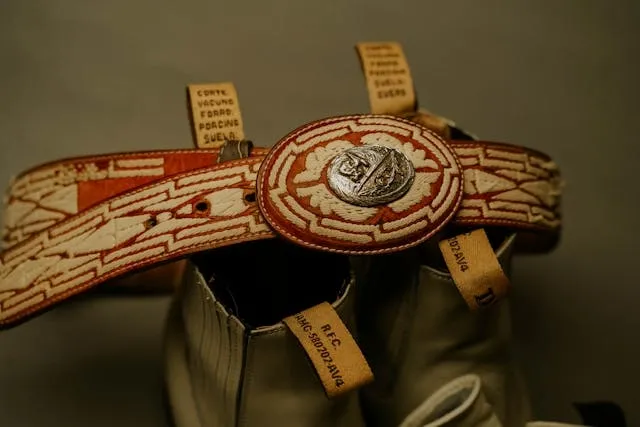
Looking for colorful belt buckles to showcase your design?
Our custom die struck belt buckles are made from hardened steel and feature durable craftsmanship and vibrant colors.
What Belt Buckle Material Doesn’t Irritate Skin?
People with sensitive skin often struggle with buckles containing nickel or mixed alloys. In those cases, hypoallergenic materials are the best option. Common choices include:
- Stainless steel (especially grades marked nickel-free)
- Titanium
- Solid brass
These metals hold up well to moisture and friction without causing reactions. We've recommended them to many customers who experienced irritation from inexpensive plated buckles.
Polymer buckles can also be a good alternative, though they’re less common in dress belts. Choosing the right material isn’t just about durability - it’s also about comfort. If your main goal is to display an eye-catching accessory, custom PVC patches are a good, safe alternative.
Can You Use Stainless Steel If You Are Allergic To Nickel?
Stainless steel can be a mixed experience for people allergic to nickel. Some grades, especially those used in jewelry and high-quality buckles, contain very little nickel and rarely cause reactions.
Others, particularly in cheaper stainless varieties, may have enough nickel to irritate sensitive skin. The safest choice is nickel-free or low-nickel stainless steel, often labeled as:
- 304L
- 316L
These grades resist corrosion and keep their appearance for years. We’ve seen customers with nickel allergies wear these grades comfortably without issues. If you’re unsure, testing the buckle or wearing it briefly at home can help you confirm whether the material is suitable.
What Should You Know About Brass & Bronze Belt Buckles?
Brass and bronze buckles share a similar look, but they behave differently over time.
- Brass: Made from copper and zinc, this tends to develop a warm brown patina that many people find appealing.
- Bronze: Made from copper and tin, bronze darkens more dramatically and often shows a deeper reddish tone.
Both metals resist corrosion better than cheaper alloys. They scratch more easily than stainless steel, but those marks often blend into the natural aging process. Restoring shine is simple - a quick polish can revive the original color.
For those who appreciate character and warmth in a buckle, brass and bronze remain excellent long-term choices. Consider the properties of both to choose the best promotional products for business.
What Should You Know About Stainless Steel Belt Buckles?
- Highlight stainless steel’s strength.
- Explain corrosion resistance.
- Discuss why it’s chosen for harsh environments.
Stainless steel buckles are the workhorses of the belt world. They resist rust, maintain their shine, and handle heavy wear without distorting. We’ve seen them withstand years of daily use in demanding environments, from construction sites to outdoor settings.
Their clean, cool tone makes them suitable for modern or minimalist designs. Some varieties contain nickel, but high-grade stainless steel limits exposure and reduces irritation risks. Stainless steel isn’t as ornate as brass or engraved metals, but for sheer practicality, it’s hard to beat.
If you need a buckle that performs reliably in unpredictable conditions, stainless steel is one of the safest bets.
Create a dynamic, sculptural belt buckle with a unique design
Work with us to create custom 3D belt buckles that make a bold statement with a sophisticated aesthetic.
Learn moreWhat Are Most Western Belt Buckles Made Of?
Western belt buckles often combine durability with ornate visual appeal. Many are made from zinc alloys because the material allows for detailed engraving and sculpted designs at reasonable cost.
Higher-end western buckles use materials with rich finishes and long lifespans, like:
- Brass
- Pewter
- Sterling silver
Some trophy-style buckles layer multiple metals or feature decorative plating, which adds depth without excessive weight. These materials allow for the large, attention-grabbing shapes western designs are known for.
Whether worn for rodeo competition, heritage, or fashion, western buckles need materials that can hold detailed artwork while maintaining structural strength. If you like their aesthetic, you could get custom oval buttons crafted with similar designs for a simple accessory.
What Were Civil War Belt Buckles Made Of?
Civil War belt buckles were typically cast from brass or bronze, chosen for their strength and ease of mass production. Archaeological evidence shows even the earliest buckles were made of bronze for its strength and durability.
Soldiers needed hardware that wouldn’t corrode quickly in harsh conditions, and these metals delivered the necessary durability. Many buckles were stamped with insignias, which remain treasured among collectors today.
Compared to modern materials, these metals were heavy, but that weight contributed to their longevity. The manufacturing techniques were straightforward, involving:
- Casting
- Stamping
- Hand-finishing
This makes original pieces distinct from modern reproductions. Understanding what these buckles were made of offers insight into the era’s craftsmanship and practical needs.
What Is The Best Material For A Belt Buckle?
The “best” material depends entirely on how the buckle will be used. For everyday durability, stainless steel is often the strongest option. Let’s look at what works well for other needs:
- Aesthetic appeal and character: Brass or bronze offers warmth and aging that many people appreciate.
- Weight: For travel, sports, or kids’ belts, lightweight plastic or zinc alloy works well.
- Sensitive skin: People may prefer hypoallergenic metals like titanium or nickel-free stainless steel.
There’s no universal winner, but understanding the practical and aesthetic differences helps you choose confidently. Research shows that, throughout history, buckle-making has balanced functionality and ornamentation.
The ideal material is simply the one that fits your lifestyle, skin sensitivity, and style preferences.
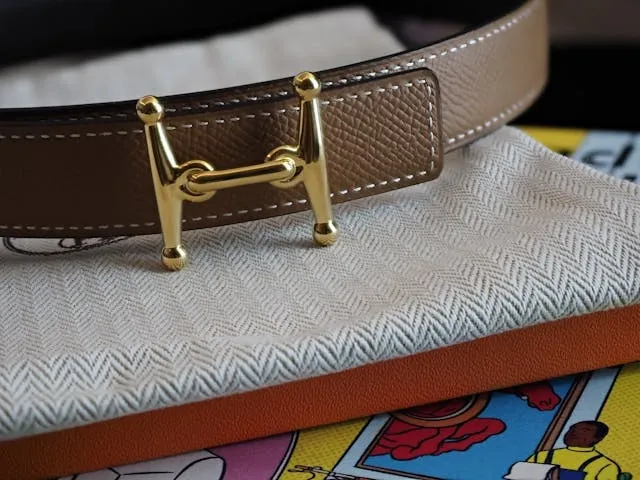
How Can You Choose The Right Belt Buckle Material For You?
Choosing the right buckle material starts with understanding your priorities. If your skin reacts to certain metals, nickel-free stainless steel or solid brass is usually safest. If durability is non-negotiable, stainless steel remains the most reliable option.
For those who enjoy pieces that develop character over time, brass and bronze age beautifully. Think about when and where you’ll wear the belt:
- Formal settings
- Outdoor work
- Casual daily use.
Weight also matters. Some prefer the heft of metal, while others want something lighter. Matching material to your lifestyle makes the decision feel less like guesswork and more like a natural fit. Keep this in mind when exploring the most popular types of promotional products for business.
Frequently Asked Questions About What Are Belt Buckles Made Of
What Are Belt Buckles Made Of Generally?
Most belt buckles are made from metals like zinc alloy, brass, stainless steel, or bronze. The material chosen depends on cost, durability, and design needs. Fashion buckles may use lighter alloys, while workwear uses stronger metals.
What Metal Are Belt Buckles Made Out Of?
Common metals include zinc, brass, stainless steel, pewter, and occasionally silver. Each one has its own feel and lifespan, so choosing the right one depends on personal needs. If you want something sturdy and long-lasting, stainless steel and brass are usually the safest bets.