Do You Need Anti Reflective Coating On Sunglasses? Glare Reduction & Visual Clarity
Understanding whether you need anti-reflective coating on sunglasses starts with knowing the impact of reflections on clarity, comfort, and performance. Sunlight bounces off the back surface of lenses and may create a distracting glare that reduces visibility.
In this guide, we address the question of whether sunglasses need anti reflective coating. The answer depends on lifestyle, environment, and lens type. Let us give you some foundational knowledge so you can choose the right sunglasses for you.


Key Takeaways
- The value of anti-reflective coating depends on how and where sunglasses are used. AR reduces distracting reflections, improves clarity, and enhances comfort.
- To learn whether you need AR coating, you must understand lens materials, lifestyle habits, and environmental glare.
- Anti-glare and anti-reflective are often used interchangeably, but the latter specifically targets reflections on lens surfaces. This is an important distinction.
- We supply high-quality custom sunglasses that offer clear vision, diverse customization options, and full UV protection for a safe and enjoyable experience.
Table of contents
-
Do You Need Anti Reflective Coating On Sunglasses?
-
Do You Need Anti Glare On Sunglasses For Outdoor Brightness?
-
Do You Need AR Coating On Polarized Sunglasses For Maximum Visual Clarity?
-
Is Anti-Reflective Coating On Sunglasses Worth It For Most People?
-
What Is Anti-Reflective Or Anti-Glare Coating On Sunglasses?
-
What Are The Benefits Of Anti-Reflective Coating On Sunglasses?
-
What Are The Disadvantages Of Anti-Reflective Coating On Sunglasses?
-
How Do Polarized Lenses Compare To AR Coating?
Do You Need Anti Reflective Coating On Sunglasses?
Anti-reflective coating on sunglasses reduces the appearance of reflections that bounce off the back lenses and interfere with your vision. Its importance varies depending on how you use your sunglasses.
In our experience customizing sunglasses for outdoor activities, the people who benefit the most are those who spend time:
- Driving
- Travelling
- Navigating bright environments
It is important to understand the difference between ant-reflective and anti-glare when it comes to sunglasses. Anti-glare is a more general approach to reducing glare through the sunglasses, while AR specifically targets surface reflections.
If you are asking whether you need anti reflective coating on sunglasses, consider the lighting conditions you commonly face and whether you often experience distracting reflections from behind. AR isn’t mandatory for every wearer, but it significantly enhances clarity and comfort.
Though not a requirement, an AR coating on your customized rainbow sunglasses lenses can offer significant real-world benefits.

Do Sunglasses Need Anti Reflective Coating For Everyday Use?
An AR coating can improve comfort for everyday activities, such as:
- Walking outdoors
- Running errands
- Commuting
- Relaxing in sunlight
With this being said, it may not be necessary for everyone. The benefits it offers are only relevant if you frequently encounter the problems it is designed to solve.
Many people ask if sunglasses need anti reflective coating because reflections from behind can be distracting, especially when sunlight hits the back lens surface. AR helps reduce this bounce-back glare and provides clearer vision during casual outdoor use.
If you primarily move between shaded areas or use sunglasses briefly in 2026, AR may be optional. However, if you regularly encounter bright reflections from windows, cars, or pavement, AR coating offers a noticeable improvement.
For anyone exploring sunglasses as types of promotional products with logos for their business, an AR coating on lenses could be beneficial for customers. Clients who ordered promotional sunglasses for driving-related businesses found their customers reported enhanced comfort without altering lens tint or overall appearance.
|
Feature / Attribute |
Anti-Reflective (AR) Coating |
Anti-Glare Features |
Polarized Lenses |
|
What it does |
Reduces reflections from the lens surfaces, especially the backside (inner) surface |
Reduces overall glare intensity entering the eye |
Blocks horizontally-reflected glare from surfaces like water, roads, glass |
|
Main problem it solves |
Bounce-back glare from behind you; internal reflections that reduce clarity |
Harsh, scattered light that causes eye strain |
Strong reflective glare from shiny horizontal surfaces |
|
Best for |
Driving, commuting, bright environments with reflective surroundings |
General outdoor comfort, reducing bright-light fatigue |
Boating, fishing, driving, snow activities, beach environments |
|
Improves clarity? |
Sharpness, contrast & detail |
Moderately |
Major clarity boost in reflective conditions |
|
Aesthetic benefits |
Makes lenses look cleaner and less reflective in photos |
None specific |
Mirrored polar options increase style but not always clarity |
Do You Need Anti Glare On Sunglasses For Outdoor Brightness?
Anti-glare solutions reduce overall glare intensity, which is different from anti-reflective coatings that target lens-surface reflections. Many people wonder if you need anti glare on sunglasses when planning for bright environments, such as:
- Beaches
- Open water
- Snowy areas
- Driving conditions
Anti-glare features help reduce eye strain caused by harsh, scattered light. When combined with UV protection, they improve visibility and comfort dramatically. Anti-glare becomes especially valuable for outdoor sports, long drives, or highly reflective conditions.
While not mandatory for every wearer, it offers clear advantages in intense sunlight. Customized sunglasses are among the most popular types of promotional products for business, but it is essential that you provide products that deliver on your customers’ needs.
Understanding the distinction between anti glare and anti reflective coatings helps you select sunglasses that deliver the most relevant benefits for your daily surroundings, or for your audience.
Looking for customized sunglasses for promotional giveaways?
Our Admired customized sunglasses are not anti-reflective but they offer style and complete UV protection.
Do You Need AR Coating On Polarized Sunglasses For Maximum Visual Clarity?
Polarized lenses reduce horizontal glare, but they don’t eliminate reflections from behind the lens. This leads many people to ask whether they need anti reflective coating on polarized sunglasses.
The answer often depends on how much clarity you need. When testing AR-coated samples in bright environments, our team noticed enhancements in things like:
- Contrast
- Sharpness
- Visual comfort
These benefits are particularly pronounced in bright or reflective environments. AR coating reduces internal reflections and improves overall viewing quality during activities like boating, driving, and cycling.
Polarization, meanwhile, is more about handling surface glare. If you combine this with the AR effect of minimizing lens-surface reflections, you get maximum clarity. When you order from us, you get access to a range of sunglasses options, including custom transparent sunglasses.
Our sunglasses all come with full UV protection for your eyes, but they are primarily aimed at promotional use. Add custom designs and choose from a range of sunglasses styles, then order in the quantity you need at competitive prices to enjoy our products.

Is Anti-Reflective Coating On Sunglasses Worth It For Most People?
Determining whether AR coating is “worth it” depends on how frequently you use sunglasses and under what conditions. People who spend time driving, working outdoors, or navigating bright, reflective environments typically see meaningful benefits.
AR minimizes reflections that can interfere with contrast and depth perception. If you’ve wondered whether you need anti reflective coating, think about your daily exposure to sunlight and glare. Premium lenses often include AR because it enhances optical quality, though some budget-friendly options perform well without it.
Studies have found that AR coatings on sunglasses can lead to enhanced contrast and sharpness of vision. AR may be unnecessary for occasional wearers, but for most people, it delivers added clarity and comfort that justify the investment. Ultimately, the choice is yours whether it is something you would benefit from.
Create your own custom mirrored sunglasses
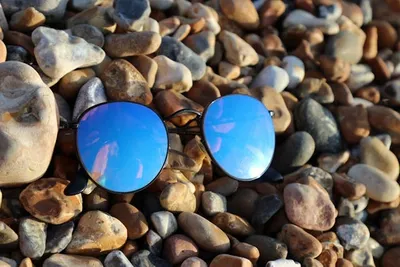
Though not designed for anti-reflective function, these Makrolon mirrored sunglasses have a premium, bespoke look.
Learn moreWhat Is Anti-Reflective Or Anti-Glare Coating On Sunglasses?
Anti-reflective coating is made up of a series of microscopic layers applied to lens surfaces to reduce reflected light and improve clarity. Anti-glare is a broader term referring to any feature that reduces glare intensity, while AR specifically targets reflections coming from behind and around the lens.
Backside AR coatings are especially popular on sunglasses because they prevent harsh sunlight from bouncing off the inner surface. Failing to consider options to optimize the experience for your customers is a common mistake to avoid when using promotional products for business.
Anti reflective coatings are known to enhance:
- Comfort
- Sharpness
- Overall visual experience
Most lenses are made from materials like polycarbonate, high-index, or glass, and virtually all of these can be treated with AR. Understanding these differences helps you choose sunglasses that deliver both protection and superior optical performance.
What Is The Anti-Reflective Coating On Sunglasses Made To Do?
Anti-reflective coatings are designed to minimize stray reflections that interfere with clarity and contrast. They consist of ultra-thin layers that manipulate light waves, reducing bounce-back glare from the back surface of lenses.
This helps you see more clearly in bright conditions and enhances comfort during activities like driving or sports. Beyond performance, AR coatings offer cosmetic advantages by making lenses look cleaner and more transparent.
Many people ask if you need anti reflective coating on sunglasses because they want sharper vision without distractions. AR delivers exactly that, as its key benefits are:
- clearer optics
- Reduced eye strain
- A more polished appearance in nearly all lighting environments
They can look extremely stylish and combine well with a custom bucket cap or other type of hat. Enjoy the perfect combination of visual clarity and fashion when you opt for a pair of sunglasses with an anti reflective coating.
What Are The Benefits Of Anti-Reflective Coating On Sunglasses?
Anti-reflective coatings enhance visual clarity by reducing distracting reflections that interfere with sharpness and contrast. By minimizing bounce-back glare, it allows your eyes to relax, especially during driving or long outdoor exposure.
The benefits of anti reflective coatings on sunglasses may actually extend further than you might expect. Many people exploring whether you need anti glare on sunglasses discover that AR also offers improvements for:
- Color perception
- Depth accuracy
Research has found that, by reducing glare and stray reflections, AR-coated lenses help the retina receive a clearer, higher-contrast image. Beyond performance, it offers cosmetic benefits by making lenses appear clearer and less reflective in photos.
On polarized lenses, AR helps maximize the effectiveness of glare reduction and ensures smoother visibility in challenging lighting. These combined advantages make AR a valuable upgrade for anyone who wants a more comfortable and consistent outdoor visual experience.
Why You Should Consider Anti Reflective Coating When Choosing Sunglasses
Anti-reflective coating is particularly beneficial for drivers, travelers, cyclists, and outdoor enthusiasts who frequently encounter intense light reflections. It enhances visual comfort by reducing distracting glare and improving contrast, allowing for clearer perception of surroundings.
Many users asking if you need anti reflective coating on sunglasses discover that AR significantly improves the viewing experience during activities that require sharp focus. Aesthetic appeal is another advantage, as AR reduces visible reflections on the lenses, giving sunglasses a cleaner and more refined appearance.
Experts highlight another key benefit of minimizing reflections: reducing visual “noise”, resulting in reduced eye strain. When paired with polarized protection and UV-blocking lenses, AR contributes to a well-rounded performance package.
Choose this combination to support both safety and comfort in various environments.
Looking for the most stylish custom sunglasses?
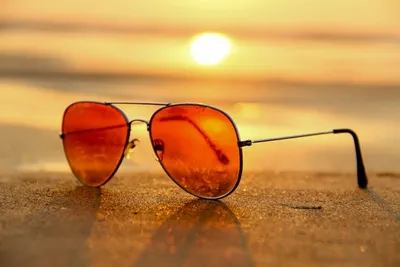
Work with us to create custom Alluring aviator sunglasses that offer UV protection but not anti-reflective coatings.
What Are The Disadvantages Of Anti-Reflective Coating On Sunglasses?
While anti-reflective coating offers valuable benefits, there are some drawbacks to consider. From more frequent cleaning needs to increased cost, let’s look at the things that sometimes put people off buying sunglasses with AR coatings:
- Cleaning: AR coatings can show smudges more easily, requiring more frequent cleaning.
- Durability: Older or lower-quality coatings may wear down over time, though modern versions are significantly more durable.
- Cost: This is another factor. Those wondering if sunglasses need anti reflective coating may decide it isn’t necessary if they use sunglasses only occasionally or primarily in low-glare environments.
Some premium lenses include AR automatically, but budget-friendly sunglasses may not. Understanding these limitations helps you decide confidently. One surprising benefit found in a study was that AR coatings can reduce “ghosting” or halos from lights when driving at night.
For many users, the improved clarity outweighs the maintenance requirements, but it’s important to balance your needs, habits, and budget expectations.

How Do Polarized Lenses Compare To AR Coating?
Polarized lenses and anti-reflective coating address different visual challenges. In some conditions, polarization provides more immediate relief from glare, while AR enhances fine visual details and comfort.
Let’s compare the two in a little more detail:
- Polarization: This reduces horizontal glare from surfaces like water, pavement, and glass—making it ideal for driving, fishing, and outdoor sports.
- AR coatings: These target reflections that bounce off the lens surfaces themselves. People often ask if they need anti reflective coating on polarized sunglasses because polarization alone does not eliminate backside reflections.
Generally speaking, pairing both technologies offers the best clarity in demanding lighting. Together, they deliver a superior optical experience that supports both practical needs and visual performance expectations.
When you order from us, you can get a range of options like custom wood tone sunglasses that offer style and performance in various environments. Though they don’t have polarized lenses or AR coating, they do offer complete UV protection and affordable style with a bespoke look.
Frequently Asked Questions About Do You Need Anti Reflective Coating On Sunglasses
Do You Need Anti Reflective Coating On Sunglasses For Reducing Glare?
For reducing glare, AR coating performs exceptionally well, offering particular benefits during driving or outdoor recreation. Ultimately, your environment, habits, and comfort expectations determine whether you need it.
Is Anti-Reflective Coating On Sunglasses Worth It For Most People?
It really depends on your needs. If you frequently find yourself doing activities in bright environments where harsh sunlight reduces visibility, it can be a major benefit. When combined with UV protection and polarization, you will enjoy optimal performance.