Best Kitchen Towels For Chefs: That Handle Spills And Daily Service
The best kitchen towels for chefs balance absorbency, low lint, easy handling, and reliable washing machine performance. The right towel should manage spills, warm cookware, prep work, and repeated cleaning without becoming bulky, streaky, or unpleasant during a long service. In this guide, we offer practical advice on how to pick, use, and maintain kitchen towels for chefs.

Key Takeaways
- Lightweight cotton side towels suit most everyday line work.
- Dense bar mops and herringbone towels handle heavier spills.
- Cotton is more versatile than microfiber around cookware.
- A size near 15 by 26 inches or 15 by 28 inches works well.
- Separate towels should be used for heat, wiping, and cleaning.
Best Kitchen Towels For Chefs
Overall, the strongest options for chefs' kitchen towels include the following:
- Zeppoli Classic Kitchen Towels for everyday use
- Chef Revival Herringbone Towels for dependable commercial use
- Headley Bennett Chef’s Towels for buyers seeking premium comfort and design
The right choice depends on whether you value line space, speed, speed control, heat handling, or appearance. The table below explores their qualities.
| Towel | Material | Weave | Typical size | Absorbency | Lint Control | Durability | Best Use |
|---|---|---|---|---|---|---|---|
| Zeppoli Classic Kitchen Towels | Cotton | Flat-striped weave | About 15 by 25 inches. | Moderate | Good after washing. | Good. | Daily line work. |
| Chef Revival Herringbone Towels | Cotton | Herringbone. | About 15 by 25 inches | High | Very good. | Very good. | Prep and repeated wiping |
| Headley and Bennett Chefs' Towels | Cotton | Dense utility weave. | About 18 by 22 inches | High | Good | Very good | Premium kitchen use |
| Commercial Bar Mops | Cotton | Terry Loop | About 16 by 19 inches | Very high | Moderate. | Good. | Large Spills and Cleanups |
| Flour sack towels | Cotton | Loose flat weave | Often 28 by 28 inches | Low to moderate | Good | Moderate | Light drying and food prep |
When selecting towels, choose flat weave for apron use, herringbone for repeated wiping, bar mops for major spills, or premium towels for comfort and presentation. Compare pack size, material dimensions, wash requirements, and price based on your kitchen workload.
Which Chef Towels Are Best For Everyday Line Work?
Lightweight, low-lint towels are usually best for everyday line work because they are easy to fold, grab, wash, and tuck into an apron pocket. Zeppoli classic kitchen towels and similar strip utility towels work well for light spills, quick wiping, drying, and handling warm cookware. Thin utility towels saturate faster than dense herringbone towels, but they are easier to replace during service.
A good towel should wipe stainless steel without leaving fibers or greasy streaks. A towel that stays flat on an apron strap is easier to carry than a thick bamboo towel. Extra bulk can slow fast tasks and make folding around handles awkward. For most line cooks, the best chef towels are not the thickest. They are the towels that remain easy to control, wash clean, and replace quickly.
Which Kitchen Towels Absorb Heavy Spills Best?
Dense cotton bar mops and tightly woven herringbone towels usually absorb heavy spills better than thin flour sack towels;
- Cotton bars: They are best for large water spills because the looped surface holds a high volume of liquid.
- Herringbone towels: They perform well for sauce and repeated workstation wiping because their dense weave absorbs while staying flatter.
- Heavy flat weave towels: They work well for grease. But they have to be changed often and washed with a strong detergent.
- Waffle towels: They can handle moderate spills, but loose weaves may snag or stretch.
- Flour sack towels: They are better for light moisture, drying produce, and delicate prep than heavy cleanup.
Maximum absorbency is not always ideal because when a saturated towel becomes heavy and slow to dry, it may spread grease or moisture.
A simple comparison test can be done at home. Wash all towels once without fabric softener. Place each dry towel on a tray. Pour the same measured amount of water onto each towel. Wait ten seconds, then lift the towel and measure the liquid left behind. Repeat the test after several wash cycles to see whether performance changes.
Equip your kitchen with custom kitchen towels
Create high-quality custom kitchen towels featuring your logo or branding to give chefs practical, absorbent towels while reinforcing your restaurant’s professional identity.
What Kitchen Towels Do Professional Chefs Use?
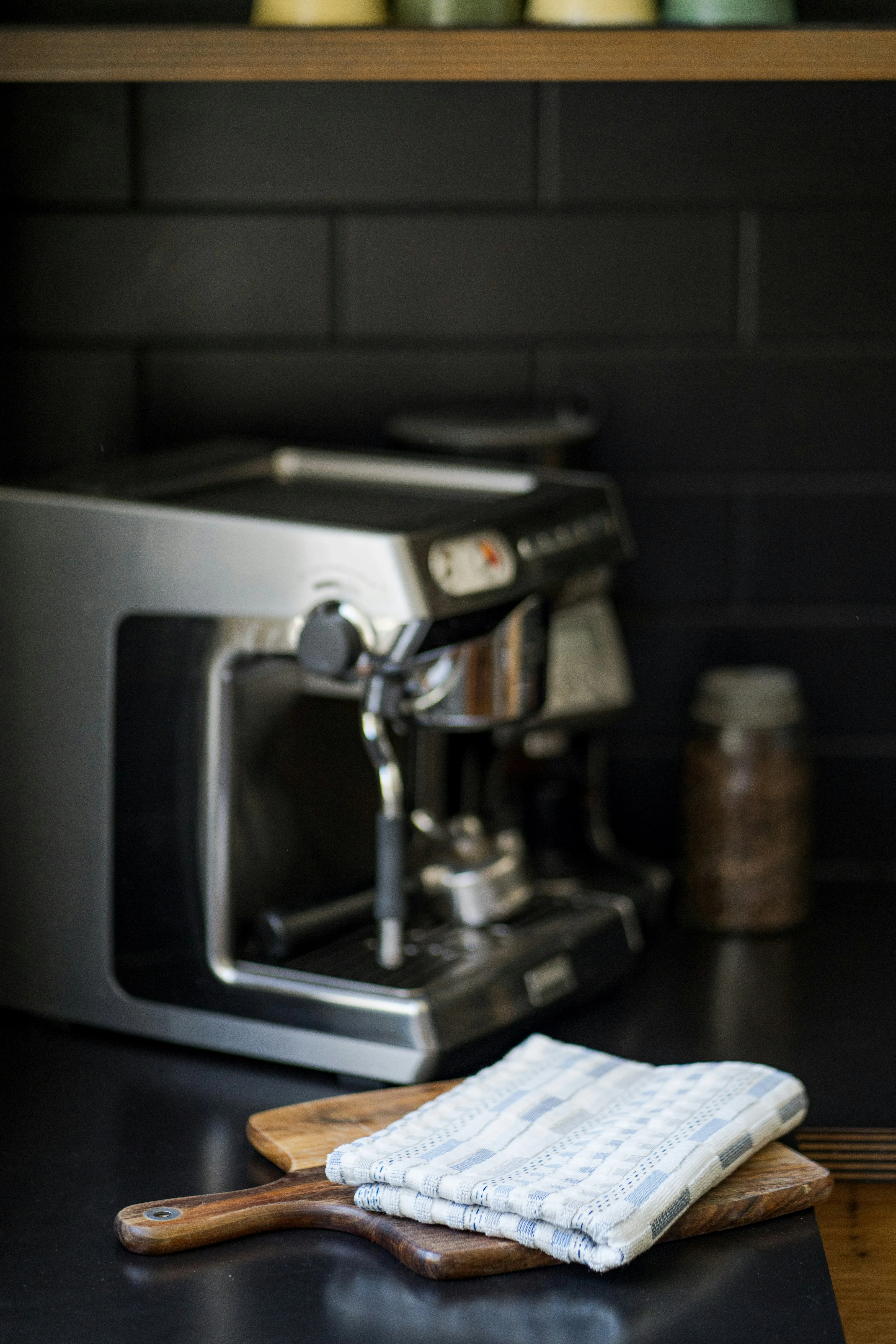
Professional chefs commonly use lightweight cotton side towels, flat weave towels, herringbone towels, and bar mops. Decorative tea towels are less common on a busy line because they may be too delicate, too loose, or too difficult to replace in large quantities. Below are the tasks chefs use towels for
- Wiping prep stations and counters.
- Gripping warm pan handles.
- Drying small tools and equipment.
- Controlling spills before they spread.
- Staying folded or tucked into an apron.
- Protecting hands from brief contact with warm cookware when the towel is completely dry.
Experienced cooks keep one dry towel for warm cookware, one for wiping, and one for messy cleaning jobs. The towels used in restaurants must be washed frequently, dried thoroughly, be easily foldable, and have limited lint.
What Size Should A Chef Towel Be?
A versatile professional side towel is usually about 15 by 26 inches or 15 by 28 inches. This size is large enough to fold around a warm pan handle and narrow enough to remain secure on an apron. Oversized towels can drag or bunch. Very small towels may not provide enough folded layers or wiping area.
Use this short measurement guide when comparing towel sizes.
- Around 15 by 25 inches suits general linework.
- Around 15 by 28 inches offers a little more coverage.
- Around 16 by 19 inches is common for compact bar mops.
- Towels above 20 inches wide may feel bulky on an apron.
- Square flour sack towels are useful for prep but may be awkward for line carrying.
Ignore vague labels such as standard or large. Check the listed width and length before buying.
Why Do Chefs Carry More Than One Towel?
Chefs carry more than one towel for the following reasons:
- Sanitation: Separate towels reduce the transfer of grease, raw food residue, cleaning chemicals, and moisture.
- Speed: A clean towel is immediately available when another becomes wet or dirty.
- Heat handling: A dry towel can be reserved for warm cookware.
- Spill control: A second towel can manage water, sauce, or oil without contaminating the heat towel.
- Station organization: Assigned towels make it easier to keep the workspace orderly.
A practical way to manage towels is to use one dry towel for warm handles and another for wiping. Cleaning towels should be kept separate and removed when soiled. Carrying several towels is not only a professional habit, but it also helps reduce cross-contamination and keeps service moving.
Why Are Chef Towels Often Color-Coded?

Colored stripes or designated towel colors help kitchen teams assign cloths to specific jobs. One kitchen may use one color for raw food preparation, another for general cleaning, another for cooked food areas, and another for front-of-house work.
Each kitchen should set, teach, and consistently apply its own color system. Color coding helps reduce accidental residue transfer. However, it only works when towels are washed correctly, stored dry, replaced when soiled, and separated from food after chemical use.
Need branded towels for your culinary team?
Personalize kitchen towels for chefs, caterers, and food-service teams with distinctive designs that combine everyday functionality with consistent brand presentation.
Explore custom logo towels hereIs Cotton Or Microfiber Better For Chef Towels?
The table below compares the characteristics and ideal uses of cotton versus microfiber towels in a kitchen setting.
| Cotton | Microfiber |
|---|---|
| Better suited to general kitchen use | Better suited to polishing and detail cleaning |
| Handles moderate heat more safely when dry | Should not be used as a heat protection towel |
| Absorbs water and many food spills well | Picks up fine dust, grease, and streaks well |
| May produce some lint depending on weave | Usually leaves very little lint |
| Dries at a moderate rate | Often dries quickly |
| Tolerates repeated commercial washing | May lose performance if washed with heat or fabric softener |
| Available in many weaves and sizes | Best kept for glass, stainless steel, and selected cleaning jobs |
Cotton towels are essential for professional kitchens, offering superior versatility for handling warm cookware, spills, and general wiping. In contrast, microfiber excels at specialized polishing tasks but should never be used for heat protection due to the potential material damage.
What Is The Best Weave For A Professional Kitchen Towel?
The table below compares different types of kitchen towel weaves;
| Weave | Main strength | Main limitation | Best use |
|---|---|---|---|
| Flat weave | Low lint and easy folding | Moderate absorbency | Line cooking and prep |
| Herringbone | Durable and absorbent | Slightly heavier | Repeated wiping |
| Waffle weave | Good surface area and drying | Loose weaves may snag | Hand drying and light cleanup |
| Terry cloth | Very high absorbency | Bulky and may leave lint | Large spills |
| Flour sack | Lightweight and fast drying | Too thin for heavy work | Dough, produce, and delicate prep |
Professional kitchens prefer flat and herringbone weaves for their lint control, manageability, and durability during tasks. Meanwhile, waffle, terry cloth, and flour sack towels serve specialized roles, ranging from hand drying and cleanup to delicate food preparation and spill management.
Should Chefs Use Terry Cloth Or Flour Sack Towels?
Terry cloth towels are excellent for handling significant liquid spills and drying hands, thanks to their high absorbency. However, they can be bulky, slow to dry, and prone to leaving lint behind, making them less ideal for delicate kitchen tasks near heat.
Conversely, lightweight flour sack towels excel at fine prep work, straining, and drying produce. While too thin for heavy cleaning or heat protection, they offer superior drying speed. For general utility, flat or herringbone cotton towels remain the most balanced, versatile choice.
What Is The Difference Between A Chef Towel And A Kitchen Towel?
| Chef towel | Kitchen towel |
|---|---|
| Durable working cloth | Broad category of household cloths |
| Usually cotton | May be cotton, linen, microfiber, or blends |
| Commonly flat weave, herringbone, or terry | May include tea towels, dish towels, and hand towels |
| Built for frequent washing | Washing demands vary |
| Usually sized for folding and carrying | Dimensions vary widely |
| Used for spills, warm handles, drying, and prep | May be decorative or task-specific |
The term "chef towel" usually refers to a durable, multipurpose work towel. Kitchen towel is a broader term that can include dish towels, tea towels, hand towels, and decorative cloths.
Some products can serve both roles. The label matters less than repeated wash performance, lint control, absorbency, folding ease, and durability. Decorative or loose towels may not survive commercial use.
Keep every busy kitchen properly stocked
Order custom hand towels in bulk so your culinary team always has clean, practical towels available for prep work, wiping, and demanding daily service.
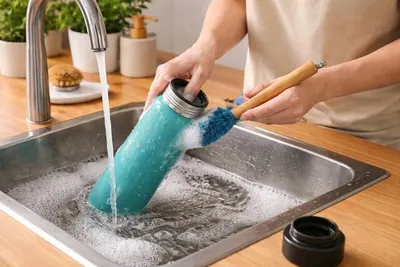
How Should Chef Towels Be Washed And Maintained?
- Keep greasy towels, cleaning cloths, and lightly used drying towels apart from each other
- Shake out loose food residue before washing.
- Use an effective detergent in the correct amount.
- Choose a washing temperature that matches the care label and kitchen hygiene policy.
- Avoid overloading the machine, so water and detergent can move through the fabric.
- Skip fabric softener because it can coat fibers and reduce absorbency.
- Dry towels thoroughly before folding or storage.
- Store clean towels in a dry, protected area.
- Wash new towels before first use to remove manufacturing residue and reveal true absorbency.
- Retire towels that retain odors, remain greasy, have damaged seams, or can no longer be cleaned hygienically.
Overloaded machines may trap grease, soil, or detergent. Inspect towels regularly and remove those with frayed edges, permanent grease, or persistent odor.
Looking for the right custom towels for your kitchen?
Explore different towel styles, sizes, colors, and customization options to find a functional solution suited to your kitchen, culinary team, or hospitality business.
Explore custom towel options hereAre Expensive Chef Towels Worth Buying?
Commercial packs prioritize utility, offering budget-friendly options designed for high-volume kitchen demands. They provide the essential durability required for daily service and frequent, heavy washing.
Premium towels feature enhanced stitching, comfort, and refined aesthetics for open kitchens. While costlier, their superior presentation makes them ideal for design-focused environments.
| Factor | Low-cost commercial packs | Premium chef towels |
|---|---|---|
| Cost per towel | Low | High |
| Replacement | Easy | More expensive |
| Lifespan | Good with proper care | Often very good |
| Comfort | Basic | Often better |
| Appearance | Functional | More refined |
| Best value | Busy kitchens | Home chefs and presentation |
Judge value by cost per use. Compare value packs and premium options by material, size, pack count, price, washing frequency, and likely replacement rate.
How Can You Tell If A Kitchen Towel Is High Quality?
Use this checklist to know the quality of kitchen towels;
- Confirm the fiber content.
- Check whether the weave is even and consistent.
- Inspect edge stitching for loose threads.
- Rub the surface to check lint shedding.
- Measure the towel before and after washing.
- Check for heavy shrinkage or seam distortion.
- Test absorbency with a fixed amount of water.
- Wipe the glass clean to check for streaks and lint.
- Wash with similar colors to test colorfastness.
- Check whether the towel remains easy to fold after drying.
Frequently Asked Questions About Best Kitchen Towels For Chefs
What Are The Best Kitchen Towels For Chefs?
The best kitchen towels for chefs include lightweight cotton, herringbone, and bar mops. Models from Zeppoli, Chef Revival, and Hedley and Bennett are top choices, offering versatility for line work, spill management, and professional needs during demanding daily kitchen service.
How Many Kitchen Towels Does A Professional Chef Need?
Professional chefs require enough towels to separate clean, dry, and dirty tasks throughout their shift. Starting with at least three, they replace them as they become soiled. The total quantity needed depends on shift duration, station workload, and laundry access.