Types Of Lapel Pins: How To Choose The Right Style
Choosing a lapel pin sounds simple, but there are many different types to choose from. We have seen buyers pick a pin, only to realize it didn’t suit their logo or event. This guide explores different types of lapel pins, explaining them in plain terms to help you choose.

Key Takeaways
- Lapel pins can be grouped by production style, finish, material, backing, and special features, so start by knowing how the pin will be used.
- Soft enamel is colorful and budget friendly, hard enamel feels smooth and premium, and die struck pins suit classic metal designs.
- For formal outfits, keep lapel pin placement neat: wear the pin on the left lapel, close to the heart, and choose a small refined style.
- We supply high-quality custom lapel pins in a range of different styles and materials so you can get the lapel pin type that works for your needs.
Table of contents
-
Main Types Of Lapel Pins Buyers Should Know
-
What Are Lapel Pins?
-
How Do You Choose The Right Lapel Pin For Your Needs?
-
What Are Soft Enamel Lapel Pins?
-
What Are Hard Enamel Lapel Pins?
-
Die Struck Pins Vs Enamel Pins Which One Should You Choose?
-
What Are Printed Lapel Pins Used For?
-
What Are Cloisonné Lapel Pins?
-
What Custom Features Can Make Lapel Pins Stand Out?
Main Types Of Lapel Pins Buyers Should Know
The main types of lapel pins buyers compare are soft enamel, hard enamel, die struck, die cast, floral, cloisonné, stick, and mini pins. That sounds like a lot, but each type is designed to solve a different problem.
- Some are better for displaying bright colors.
- Some work better for clean metal detail.
- Others suit complex logos, photos, or luxury awards.
Pins can also differ by backing, plating, coating, size, and finish. Before you order, think about purpose first - is it for uniforms, resale, a school event, a wedding, or something else? That answer usually narrows the choice faster than staring at samples.
Which Lapel Pin Styles Are Most Popular?
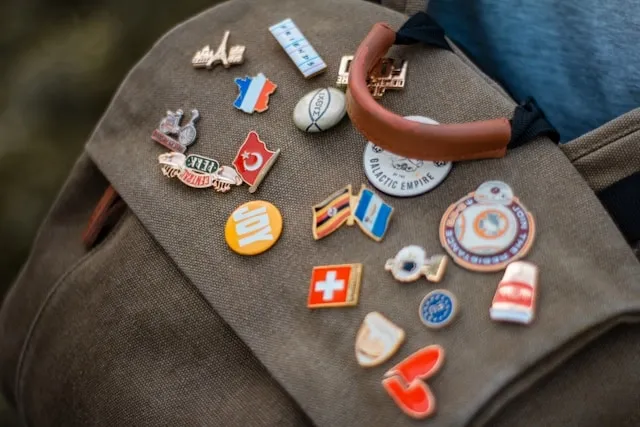
The most popular lapel pin styles are soft enamel and hard enamel because they handle color well and suit many uses.
- Soft enamel has a textured feel and works well for events, schools, clubs, and giveaways.
- Hard enamel is smooth and more polished, so it suits corporate gifts and premium branding.
Die struck pins are popular for awards and service recognition because they use metal detail without color. Printed pins work when artwork has gradients, tiny text, or photo detail - custom 3D pins are great for this too.
Floral and stick pins are more about fashion and formalwear. Mini pins are useful when the design needs to feel subtle.
| Pin Type | Best For | Avoid When | Typical Finish |
|---|---|---|---|
| Soft enamel | Colourful logos, events, giveaways | You need a perfectly smooth surface | Raised metal, recessed colour |
| Hard enamel | Premium branding, awards, gifts | Artwork has gradients or photo detail | Smooth polished surface |
| Die struck | Classic metal awards, service pins | Full colour is essential | Raised/recessed metal |
| Printed | Photos, gradients, tiny details | You want raised metal separation | Flat print, often epoxy-coated |
| Die cast | 3D shapes, sculpted emblems | You need fine flat line detail | Dimensional metal |
What Are Lapel Pins?
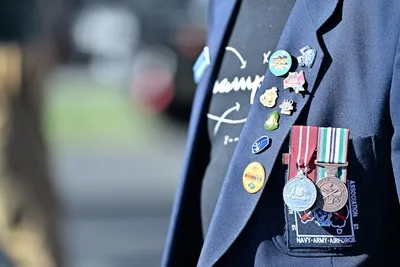
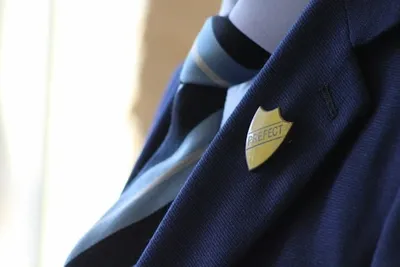
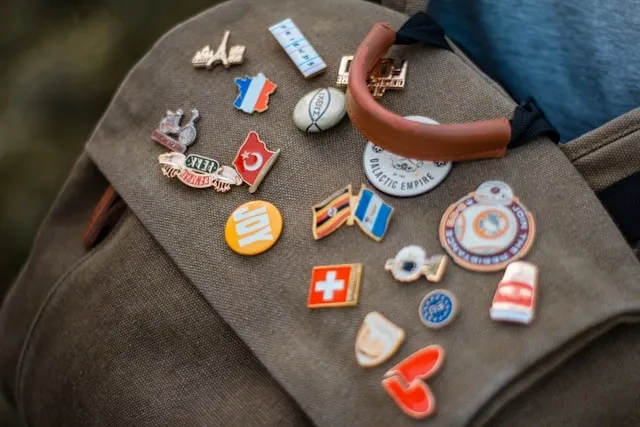
Lapel pins are small decorative or symbolic pins worn on clothing, most often on a jacket lapel. They can show a brand, club, charity, award, cause, event, job role, team, or personal style.
People also call them:
- Pin badges
- Enamel pins
- Custom pins
- Logo pins
- Suit pins
The name changes by setting, but the idea is the same: a small design fastened to fabric. Badges stand as wearable material culture, communicating identity, memory, achievement, belonging, and more.
On suits and blazers, lapel pin placement matters. The usual rule is the left lapel, close to the heart. On casual jackets, bags, hats, and uniforms, placement depends more on use and policy.
Looking for a lapel pin with color and detail?
Work with us to create custom hard enamel pins that can feature any design you want for style or branding.
How Do You Choose The Right Lapel Pin For Your Needs?
Start with the reason for the pin. For example, a company logo pin for staff needs a different finish than a bright event giveaway or a wedding accessory. From here, look at the artwork:
- Simple line art works well as die struck or enamel.
- Full-color artwork, shadows, and tiny details often need printing.
Budget is important too. Soft enamel is often the practical choice for large orders, while hard enamel feels more premium. Die struck pins, meanwhile, suit classic recognition pieces. You also need to think about overall presentation - clean white socks and press jackets for optimal presentation.
If you are unsure, request a custom pin recommendation or quote from our service. We can match your artwork, quantity, deadline, and budget to the right pin type.
Which Lapel Pin Type Should You Choose For Your Design?
There is no single best lapel pin type. The right choice depends on what the design needs to do. Choose hard enamel if you want a smooth, polished pin for branding, awards, or gifts, or soft enamel if you want strong color, raised metal detail, and a more budget friendly price.
Of course, there are other options:
- Choose die struck if the design looks best in metal without color.
- Choose printed pins when the artwork has gradients, photos, small text, or detailed logos that would be hard to separate with metal lines.
Also consider lead time and order size. A simple design can often be made faster - remember, accessories and dress choices signal occasion, status, and social setting, so consider the lapel pin type carefully.
Which Lapel Pin Type Works Best For Formal Outfits?
Formal outfits need restraint. Floral lapel pins, stick pins, mini pins, die struck pins, and small hard enamel pins usually work best. They look refined without taking over the jacket - similar to choosing custom die struck cufflinks.
Consider the following for different event types:
- For weddings, a small flower or neat metal pin can look excellent.
- For galas and business events, polished silver, gold, black enamel, or subtle brand pins are safer.
Size matters more than many people think. A large pin can pull fabric or make the lapel look crowded. If you are asking what side a lapel pin goes on, use the left lapel. Keep it high, angled with the lapel, and secure.
Which Lapel Pin Backing Should You Choose?
The backing decides how the pin feels and how safely it stays in place. Butterfly clutches are common, affordable, and fine for everyday use. But they are not the only choice available to you:
- Rubber clutches feel softer and are easy to handle.
- Jewelry clutches look more polished for premium pins.
- Magnetic backs help protect delicate clothing because they do not pierce fabric, though they may not hold heavy pins well.
- Safety pin backs suit badges and fabric-heavy use.
- Screw backs are best when the pin needs extra hold, such as uniforms, bags, or heavy wear.
For formal garments, we like magnetic or jewelry-style backs when possible. For active use, choose security first. When badges represent professional identity, the backing must offer secure attachment and ensure the pin is clearly visible at all times.
What Are Soft Enamel Lapel Pins?
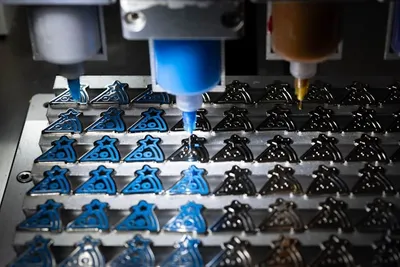
Soft enamel lapel pins have raised metal borders with colored enamel sitting slightly lower inside the design. When you run a finger across the surface, you can feel the texture.
That raised-and-recessed look gives the pin depth, which is one reason soft enamel is so popular. Colors often look bold and bright. These pins are usually budget friendly while still looking professional, especially with clean artwork.
Custom soft enamel pins work well for schools, clubs, charity campaigns, event merchandise, trade shows, awareness ribbons, and brand giveaways. If you want a custom pin that feels lively without pushing the cost too high, soft enamel is often the first option to consider.
Choose elegance and tradition for your lapel pin type
Our custom die struck pins look sophisticated and can feature your bespoke design in a stunning monochrome presentation.
Learn moreWhat Are Hard Enamel Lapel Pins?
Hard enamel lapel pins are filled and polished until the enamel and metal lines sit level. The result is smooth, glossy, and more jewelry-like than soft enamel. They feel durable in the hand and look refined on jackets, uniforms, gift boxes, and award displays.
Hard enamel usually costs more than soft enamel, but the finish can feel more premium. It is a strong choice for corporate gifts, luxury branding, membership pins, recognition programs, and keepsakes people will wear for years.
We like hard enamel when the design is clean and the brand wants a polished look. It is less textured, but often more elegant, and offers good resistance to abrasion, chemicals, and corrosion.
How Are Soft Enamel Pins Different From Hard Enamel Pins?
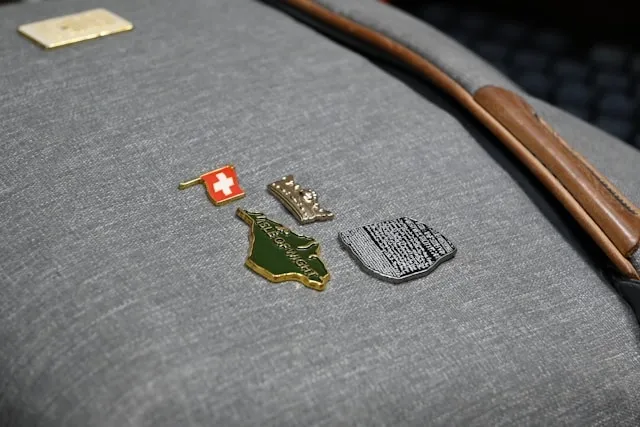
Soft enamel pins are textured, with raised metal lines and recessed color. Hard enamel pins are smooth, with polished enamel level with the metal. That is the main difference people notice first.
- Soft enamel often costs less and can show sharp color separation, which makes it popular for events and merchandise.
- Hard enamel feels more premium, resists scratching better, and suits formal or long-term use.
If your budget is tight, soft enamel is usually the better choice. If the pin is a gift, award, or brand piece for regular wear, hard enamel may be worth the extra cost. Neither is wrong - they just feel different, similar to comparing wristband material types.
Looking for a pin that displays your design in a durable product?
Whether for promotional purposes or anything else, our custom PVC pins are ideal for ensuring your design is visible and stands out.
Die Struck Pins Vs Enamel Pins Which One Should You Choose?
Die struck pins are stamped into metal and usually do not use colored enamel. The design is created with raised and recessed metal areas, often finished in gold, silver, bronze, antique, or polished plating.
They look classic, serious, and clean. Enamel pins use an inorganic, glass-like coating to add color, which makes them better for bright logos, mascots, and event artwork. Choose die struck when the design is simple, symbolic, or official.
Die struck works well for:
- Awards
- Service years
- Clubs
- Military-inspired designs
- Professional logos
- Recognition pieces
Choose enamel when color is important. We think die struck pins look especially good on formal jackets because they do not shout.
Die Cast Vs Die Struck Lapel Pins Which Is Better For Your Design?
Die cast pins are made by pouring or injecting metal into a mold. That makes them useful for raised shapes, sculpted detail, 3D effects, and designs that need more depth. Die struck pins are stamped into metal, so they suit flatter designs with clean raised and recessed areas.
Die cast may be better if your artwork is a:
- Crest
- Emblem
- Mascot
- Shield
- Detailed symbol
- Custom shape with depth
Die struck may be a better fit if the design is a simple award mark, service pin, or classic logo. Die cast often feels more dimensional, while die struck often feels sharper and more traditional. Either is a more sophisticated alternative to a custom rectangle button on a jacket.
What Are Printed Lapel Pins Used For?
Printed lapel pins are used when the artwork is too detailed for enamel lines. They can show full-color logos, gradients, photos, tiny text, shadows, and complex illustrations.
- Offset printed pins suit detailed images.
- Silk screen pins work well for crisp flat colors.
- Photo dome pins use a printed design covered with a clear epoxy dome, which adds shine and protection.
- Photo etched styles can give more detail while still keeping a metal base.
Printed pins are useful for product launches, school photos, sports badges, artwork pins, and logos that cannot be simplified. If your design looks like a small poster, printing may be the smarter route.
Choose a text-based pin that looks striking
Work with us to create custom name pins based on any word or name you want to present something that truly stands out.
Get startedWhat Are Cloisonné Lapel Pins?
Cloisonné lapel pins are known for a smooth, high-quality finish with a jewelry-inspired look. Traditionally, cloisonné used glass-like enamel fired at high heat, which helped create its reputation for durability and prestige.
Today, many buyers compare cloisonné with hard enamel because both can look polished and premium. This style is often chosen for:
- Formal awards
- Official recognition
- Luxury branding
- Commemorative pieces
- Designs where the pin needs to feel important
It is not usually the cheapest option, and that is part of the point. When a pin is meant to be kept, displayed, or worn with pride, cloisonné has the right kind of weight. Consider them alongside other presentation factors like how to put on a belt buckle or what cufflink to choose.
What Custom Features Can Make Lapel Pins Stand Out?
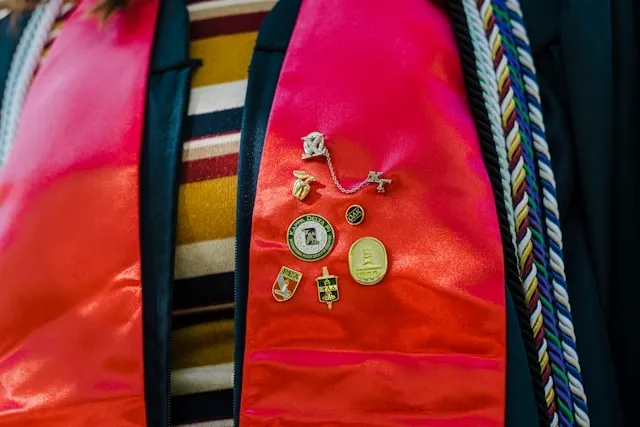
Custom features can make a lapel pin more memorable, especially when the goal is merchandise, collecting, or event promotion. These effects can make the pin feel interactive and fun, but they also need planning.
Popular add-ons include:
- Glitter enamel
- Transparent enamel
- Glow in the dark enamel
- Cut outs
- Danglers
- Sliders
- Bobble heads
- Spinners
- LED blinkers
Extra parts can increase cost, lead time, and minimum order requirements. They can also make a pin less formal. For a trade show giveaway or fan product, that may be perfect.
Work with us to create custom rhinestone pins and many other styles that can work for a range of occasions, all at great prices. We allow diverse customization options and generous bulk discounts to suit your needs.
Frequently Asked Questions About Types Of Lapel Pins
What Are The Main Types Of Lapel Pins?
The main types include soft enamel, hard enamel, die struck, die cast, printed, cloisonné, floral, stick, and mini lapel pins. Each has a different look, feel, cost, and best use.
What Type Of Lapel Pin Is Best?
Hard enamel is best for a polished premium look, while soft enamel is best for colorful, budget-friendly orders. Die struck suits classic metal designs, and printed pins suit detailed artwork.