How To Deflate Foil Balloons Without Damaging Them
Foil balloons can last longer than the party if we deflate them properly. The problem is that many people pop them or cut the neck. In this guide, we look at how to deflate foil balloons by opening the valve with careful handling to preserve their integrity.


Key Takeaways
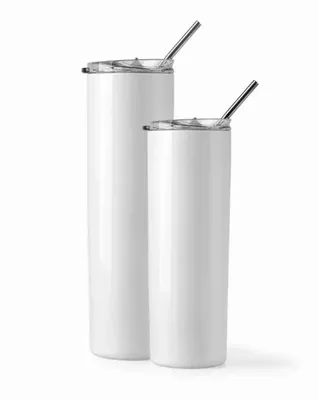
- Use a straw, coffee stirrer, or smooth narrow tube to open the self-sealing valve without cutting the balloon.
- Press the balloon gently toward the valve. Do not crush, twist, bite, or force the foil flat.
- Many foil balloons can be reused if the valve, seams, and surface stay clean and undamaged.
- We supply high-quality custom balloons in foil and various other materials and formats, giving you the option to create the perfect balloons for your needs.
How To Deflate Foil Balloons
To deflate foil balloons, first find the filling tab or neck. That is where the self-sealing valve usually sits. Slide a drinking straw or slim tube into the opening until the inner seal opens and air begins to escape.
Keep the straw in place while gently pressing the balloon from the far end toward the valve. Work slowly - the aim is to release air, not flatten the balloon by force. If you want to know how to deflate a foil balloon without popping it, this is the main method.
You should never cut the neck unless you are sure you will never reuse the balloon.

Where Is The Valve On A Foil Balloon?
The valve is usually inside the neck, tail, or filling tab of the foil balloon. Look for the long flat section where the balloon was filled. You can feel the opening by gently pressing between the foil layers.
It may feel like a narrow sleeve rather than a hole:
- Insert the straw into that sleeve and push slowly.
- Once the straw passes the inner seal, air or helium should start escaping.
- If nothing happens, pull the straw back a little and try a slightly different angle.
Do not stab around - the valve is thin, and rough handling can tear it. If you want a simpler alternative, consider custom chrome balloons. They are not usually deflatable, so they are considered disposable and available at a lower price point.
What Supplies Do You Need Before You Start?
You only need a few simple supplies. A clean drinking straw, coffee stirrer, reusable straw, or narrow plastic tube can open the valve - this is the first thing you need to find. Other helpful things include:
- A flat table to help you guide the air out evenly.
- Clean hands are important too, especially with printed or custom foil balloons that may show smudges.
Smooth, blunt tools are safer than sharp ones because they slide into the valve without puncturing the foil. Avoid knives, pins, scissors, toothpicks, and anything jagged.
If the balloon is large, give yourself enough table space. Trying to deflate a big number balloon on a crowded counter usually leads to creases and frustration.
How Can You Deflate A Foil Balloon Without Popping It?
You can deflate a foil balloon without popping it by using the valve, not brute force. Insert a straw into the filling neck until the seal opens. Then press the balloon gently with your hands, moving air toward the straw.
Popping is loud, messy, and unnecessary. It can also leave sharp bits of foil or ruin a reusable balloon. Slow pressure protects the seams and keeps the printed surface cleaner. If you make a balloon garland that includes foil balloons, this is important when you take it down.
If the balloon is stubborn, pause and adjust the straw instead of squeezing harder. We have seen perfectly good balloons ruined in the final ten seconds because someone got impatient.
Deflating A Foil Balloon With A Straw
Deflating a foil balloon with a straw is the easiest method for reuse. Choose a smooth straw that fits into the filling neck and push it in a few inches until you hear or feel air escaping. This valve mechanism is a key part of the mylar balloon structure.
- Keep one hand on the straw so it does not slip out.
- With the other hand, press the balloon softly from the top or far side.
- Move the trapped air toward the valve in sections.
For large letters or numbers, work through each pocket of air slowly. Once the balloon is flat, slide the straw out. The valve should close again unless it has been stretched or torn.
How Far Should The Straw Go Into A Foil Balloon Valve?
The straw usually needs to go a few inches into the valve before air escapes. Small balloons may open quickly while larger balloons, letter balloons, and number balloons may need the straw to go deeper because the valve sleeve is longer.
Go slowly and feel for resistance. If the straw stops, do not force it. Pull back slightly, straighten the neck, and try again. If you want an alternative way to display a brand, symbol, or message, consider custom neon signs.
A bent valve can block the straw. The right depth is the point where air begins to release. We like to listen for the soft hiss first, then start pressing - if there is no hiss, the valve is not open yet.
How To Deflate Foil Balloons Without A Straw
A straw is helpful, but it is not the only tool. To deflate foil balloons without straw access, use a coffee stirrer, clean balloon inflation tube, reusable straw, or a narrow plastic tube. The tool should be smooth, blunt, and flexible enough to slide into the valve without tearing it.
Some people use the empty outer tube of a pen, but only if all sharp parts and ink pieces are removed. The goal is simply to hold the valve open. Once air escapes, press gently toward the opening.
Learning how to deflate foil balloons without straw tools is mostly about choosing something safe. Those valves are pretty reliable - part of why helium balloons deflate is from gas diffusion rather than leaks through the valve.
What Can You Use Instead Of A Straw To Deflate A Foil Balloon?
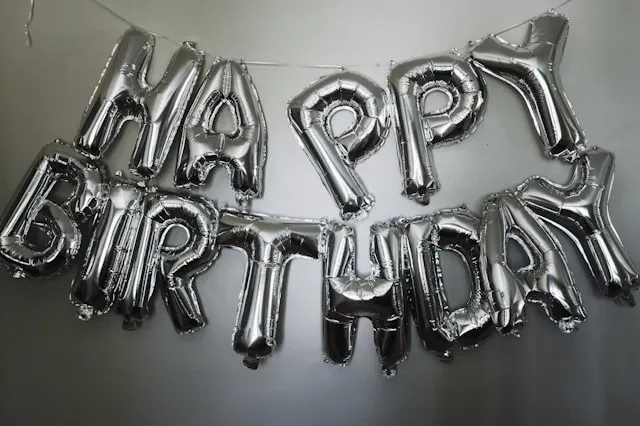
Safe alternatives include plastic coffee stirrers, reusable straws, balloon pump tips, and clean empty pen tubes with no metal point or sharp edge. The tool should slide into the valve easily. If it catches, stop.
Do not use:
- Knives
- Pins
- Scissors
- Skewers
- Safety pins
These things may deflate the balloon fast, but they also create leaks and ruin the seal. A smooth reusable straw is often the best substitute because it is firm without being sharp.
Whatever you use, wash it first if the balloon will be stored for reuse. Dirt or moisture inside the valve can make the next inflation less reliable. These balloons are popular types of promotional products, and their reusability is a particular advantage.
Want a simpler alternative to a foil balloon?
Our custom latex balloons are simple, affordable, and they look great at parties and other occasions with their personalized designs.
What Common Mistakes Damage Foil Balloons During Deflation?
The most common mistakes are cutting the neck, pulling at the valve, crushing the balloon, and using sharp tools. People typically do these things in a hurry, but they are wasteful.
- Cutting may seem quick, but it removes the part that makes reuse possible.
- Pulling the valve can stretch or tear the inner seal.
- Crushing the balloon can wrinkle the foil and stress the seams.
If air does not escape, do not press harder. Reposition the straw and check that it is inside the valve, not beside it. Heat is another problem - do not deflate balloons near heaters, hot cars, or direct strong sun.
Foil balloons are tougher than latex, but they are not indestructible. Work with us to create custom foil balloons in various designs and formats at great prices, adding your branding or personalized design to make them work for any purpose.
What Should You Not Do When Deflating A Foil Balloon?
Do not cut, puncture, bite, or aggressively squeeze the balloon. Don’t use sharp tools to “help” the air out if you plan to reuse it. Do not pull the valve apart with your fingers as that can ruin the seal.
Another thing you must not do is flatten the balloon while air is still inside. Many people do this under:
- Books
- Chairs
- Heavy objects
That may crease the foil or split a seam. Keep the balloon away from heat while handling it, especially if it was filled with helium and left near a window.
A little patience saves the balloon - helium deflation rates can vary. Rough handling turns a reusable decoration into trash. Here are some common troubleshooting tips:
| Problem | What to do |
|---|---|
| No air comes out | The straw probably has not passed the inner seal. Push it in a little further, adjust the angle, and listen for a soft hiss before pressing the balloon. |
| Straw will not go in | Straighten the filling neck and try again slowly. Do not force it, as this can tear the valve. |
| Balloon only partly deflates | Air may be trapped in the corners or separate sections. Press each area gently toward the valve, working one section at a time. |
| Straw keeps slipping out | Hold the straw in place with one hand while using your other hand to guide air toward the valve. |
| Balloon starts creasing badly | Stop pressing so hard. Let more air escape through the valve first, then smooth the balloon flat gradually. |
| Valve looks stretched or damaged | Do not keep forcing the straw in. The balloon may not reseal properly, so reuse may not be reliable. |
Choose foil balloons in existing shapes
Work with us to create custom number balloons to display dates and other number-based messages to your guests or audience.
Learn moreCan You Reuse Foil Balloons After Deflating Them?
Many foil balloons can be reused after careful deflation. The valve needs to stay intact, and the seams must not leak. After the balloon is flat, check for tears, holes, stretched areas, or foil that feels brittle.
If it held air well the first time and was deflated through the valve, it may reinflate nicely. Custom balloons, number balloons, and themed foil shapes are often worth saving because they can be used for photos, displays, or future events.
Not every balloon survives, though. If the valve was damaged or a seam split, it may not seal properly next time. The same goes for custom inflatable air pillars - they are designed for reuse, but rough handling can damage them.
How Do You Deflate Foil Balloons For Reuse Later?
To deflate foil balloons for reuse later, protect the valve first. Insert the straw carefully and release the air slowly. Press from the far side toward the valve, working across the balloon instead of crushing one spot.
Remove as much air as possible before folding. A half-full balloon takes up space and creases badly in storage. Once flat, wipe the surface gently if needed and let it dry before packing it away.
Keep ribbons, tabs, and printed areas smooth. Reuse depends on small things:
- A clean valve
- Good seams
- Foil that has not been scratched, folded sharply, or overheated
Common reuse challenges are highlighted in studies into the reuse of intraaortic balloons.
How Should You Store A Foil Balloon For Reuse?
Store a foil balloon only after it is fully deflated. Fold or roll it loosely, starting from the side opposite the valve. Do not make sharp creases through the printed design if you can avoid it.
Place the balloon in a cool, dry drawer, folder, envelope, or storage bag. Keep it away from scissors, pins, craft tools, tape edges, and heavy items. Heat can weaken the material, while moisture can make stored balloons smell unpleasant or stick together.
Custom balloons can be some of the best promotional products for business, but they need careful handling. Add a small label with the event or size if you plan to reuse them - future-you will appreciate that.
How Do You Deflate Helium Foil Balloons Safely?
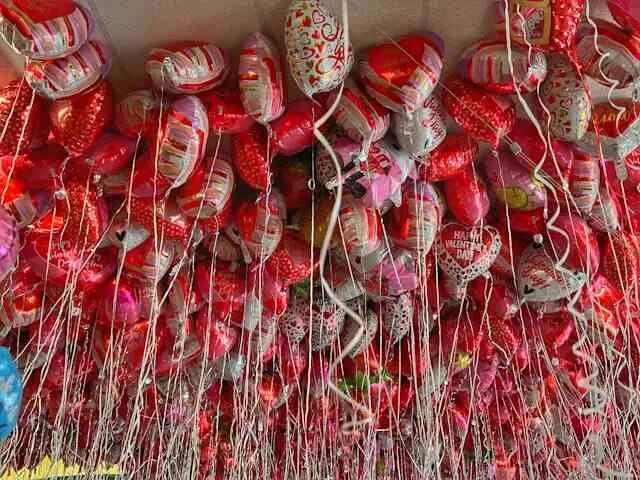
Helium foil balloons can be deflated using the same valve method. Insert a straw into the filling neck, open the inner seal, and press the gas out gently. Do not inhale helium while doing this. It may sound like a harmless party trick, but inhaling helium can reduce oxygen and is not safe.
Before storage, make sure you remove things like:
- Ribbons
- Weights
- Clips
If you don’t, these things can pull on the neck.
If the balloon is attached to a display, take it down carefully before deflating. Large helium balloons are culturally fascinating objects, but they may have several air pockets, so work slowly from the edges toward the valve.
Interested in foil balloons with a specific purpose?
Custom inflatable cheering sticks can be personalized for any occasion and they provide a great way to display your branding or message.
How To Deflate Foil Balloons Quickly
To deflate foil balloons quickly without ruining them, use a firm straw and keep the valve open the whole time. Lay the balloon flat, insert the straw until air escapes, then press evenly with both hands.
Push air toward the valve in broad sections rather than squeezing one area hard. For large balloons, fold loose sections lightly toward the neck as they empty. The same goes for custom letters balloons or number alternatives.
Do not force the balloon flat too fast - that can split seams or wrinkle the foil badly. Quick does not mean rough, and the fastest safe method is steady pressure, a clear valve, and enough space to work without fighting the balloon.
Frequently Asked Questions About How To Deflate Foil Balloons
Can You Deflate Foil Balloons With A Straw?
Yes. Insert a clean straw into the valve at the neck until air escapes, then press the balloon gently toward the opening. This is the easiest reuse-friendly method.
How Do You Deflate Foil Balloons Without Popping Them?
Open the self-sealing valve with a straw or smooth tube and release the air slowly. Avoid cutting, puncturing, biting, or crushing the balloon.