How To Store Backpacks? DIY Storage Ideas, Clutter-Free Tips, And Small Spaces
Backpacks quietly absorb daily wear while carrying work tools, school supplies, and personal essentials, yet storage is often an afterthought. Over time, we have seen how poor storage habits shorten a backpack’s lifespan, create unnecessary clutter, and even cause lingering odors that are difficult to remove.
In this guide, we focus on practical, realistic backpack storage ideas for home use. Our advice emphasizes durability, cleanliness, and long-term convenience without unnecessary complexity. Learning how to store backpacks properly is less about perfection and more about consistency.

Key Takeaways
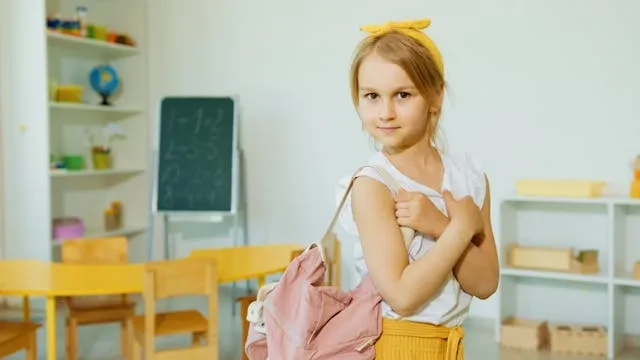
- Effective backpack storage balances accessibility with neatness, based on how often each bag is used.
- Proper storage prevents odor buildup, fabric damage, and unnecessary wear over time.
- Even small homes can benefit from vertical and multi-purpose backpack storage solutions.
- We supply high-quality custom backpacks in a variety of designs and styles that are suitable to different needs and storage methods, so explore our options carefully.
Table of contents
-
How To Store Backpacks?
-
How To Properly Store A Backpack To Prevent Damage And Odors?
-
How To Store Backpacks And Bags Together Without Mess?
-
How To Store Backpacks In A House With Limited Space?
-
Best Backpack Storage Ideas For Home Organization
-
How To Store Backpacks In A Closet Without Wasting Space?
-
Best Entryway Backpack Storage Ideas
-
Best DIY Backpack Storage Systems You Can Build At Home
-
Why Does Proper Backpack Storage Matter For Long-Term Use?
-
What Should You Do Before Storing A Backpack?
How To Store Backpacks?
Knowing how to store backpacks starts with understanding how to fit into daily life. Smaller solutions like a custom Bellroy classic pouch can carry small items when needed, but the frequency of use of backpacks is a major consideration for storage.
Backpacks used every morning need faster access than other bags that are pulled out twice a year. The number of backpacks in the family also matters, as many households have bags for things like:
- School
- Work
- Sports
Space limitations often force trade-offs between visibility and tidiness, especially when deciding where to store backpacks at home. In practice, we find that storage works best when it aligns with existing routines rather than fighting them. A neat but inconvenient setup rarely lasts.
In 2026, daily-use backpacks benefit from open hooks or shelves, while occasional bags can be stored higher or deeper in closets. Whether you have a custom Thule recycled Stravan 20 backpack or a hiking variety, choosing the best way to store backpacks is all about creating a system that people naturally maintain.
How To Properly Store A Backpack To Prevent Damage And Odors?
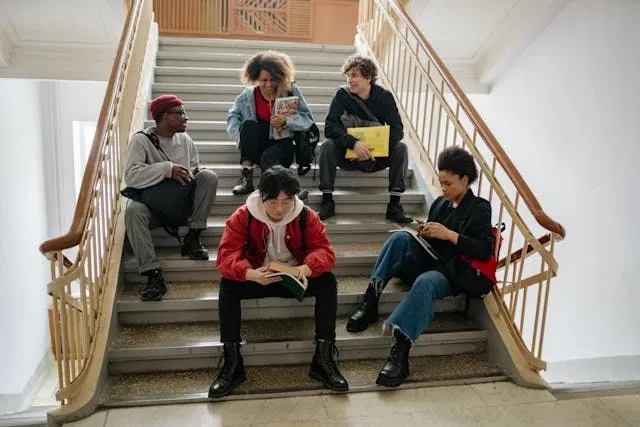
Improper storage is one of the most common reasons backpacks wear out prematurely. When bags are stored damp, compressed, or filled with forgotten items, fabric fibers weaken and odors develop.
The Canadian Conservation Institute lays out detailed guidance on how to store textiles safely. Moisture trapped inside pockets encourages mildew, while crumbs and debris attract bacteria that cause persistent smells.
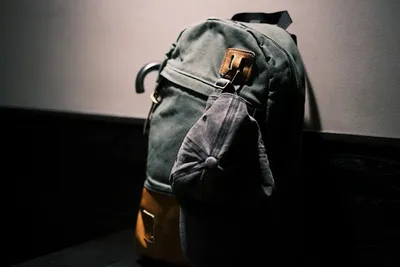
Over time, hanging heavy backpacks incorrectly can also strain seams and shoulder straps. Think about steps like how to make backpack straps longer to help avoid these issues. Before long-term storage, backpacks should be:
- Emptied completely
- Lightly cleaned
- Allowed to air dry
Shaping the bag helps prevent creases and sagging, especially for structured designs. We have noticed that backpacks stored upright with airflow tend to age far better than those shoved into tight corners.
Consistent storage habits not only preserve appearance but also extend usability, making proper backpack care a practical investment rather than an extra chore. It may seem like an extra step that takes up time and energy, but it is an important one that only needs to be established once and then adhered to.
|
Backpack Type |
Typical Weight |
Use Frequency |
Best Storage Method |
Why |
|
School backpack |
Heavy |
Daily |
Wall hook at entryway |
Fast access + airflow |
|
Laptop backpack |
Medium |
Daily |
Closet hook at shoulder height |
Protects structure |
|
Hiking backpack |
Heavy |
Seasonal |
Shelf with internal support |
Prevents strap strain |
|
Travel backpack |
Heavy |
Occasional |
Breathable storage bag |
Dust + shape protection |
Looking for a lightweight backpack that stores easily?
Work with us to create a custom Bellroy Lite recycled daypack that balanced structure and durability with lightweight design and breathability.
How To Store Backpacks And Bags Together Without Mess?
Storing backpacks alongside handbags, totes, and other bags often leads to tangled straps and visual clutter. The challenge lies in managing different shapes, sizes, and materials without sacrificing accessibility.
A useful approach is separating backpacks from softer bags, as their structured forms store better vertically. Grouping by owner or purpose also reduces daily confusion, especially in shared households.
In our experience, mixing everything on a single shelf rarely works long term. Instead, designate zones, such as
- Hooks for backpacks
- Shelves for handbags
This may help to maintain order more naturally. Clear boundaries help prevent overstacking and wasted space.
When done thoughtfully, storing backpacks and bags together can look intentional rather than chaotic. It can also help with preserving their condition so you won’t have to worry about issues like how to fix a zipper on a backpack.
How To Store Backpacks In A House With Limited Space?
Limited space forces creative thinking, particularly in apartments or shared homes where storage is scarce. Floor storage quickly becomes cluttered, so vertical solutions are usually more effective.
Solutions to maximize height without encroaching on walkways include:
- Wall hooks
- Over-the-door racks
- Tall shelving units
Horizontal storage, while useful for lighter bags, often consumes more square footage than expected. Multi-purpose furniture, such as benches with hidden compartments, offers additional flexibility.
Guidance on conserving textiles discusses the need to control temperature, humidity, and light exposure, but none of this matters if you don’t find space-efficient solutions. We have found that the most successful small-space solutions keep backpacks visible but controlled, reducing the temptation to drop them anywhere.
Avoiding floor piles not only improves appearance but also protects backpacks from dirt and accidental damage. Thoughtful placement transforms limited space into functional storage without overwhelming the room.
Create a laptop backpack that is easy to carry and store
Customize your Case 15 Logic computer and tablet backpack with us and enjoy a highly functional pack that keeps electronics close and stores easily.
Learn moreBest Backpack Storage Ideas For Home Organization
Effective home backpack storage begins with intentional zones rather than scattered solutions. Creating a specific place where backpacks belong reduces daily friction and saves time during busy mornings.
Appropriate storage is just as important for your custom Jansport Fifth Avenue waist pack as it is for backpacks. The key is everything in its rightful place. Creative storage ideas for backpacks often work best when they are:
- Simple
- Adaptable
- Easy to maintain
Hooks, cubbies, and open shelving allow backpacks to air out while staying organized. These systems work equally well for families, students, and professionals.
Flexibility is key, as storage needs often change with seasons and routines. We have observed that households with clearly defined backpack zones experience less clutter overall. For those seeking durable options, high-quality backpacks designed for flexibility can further support long-term organization.
Work with us to create custom Topo Designs recycled Rover 15 laptop backpacks and an array of other varieties to meet your practical and storage needs. Our custom-made backpacks are built to hold their shape and withstand daily storage demands, making them practical additions to well-organized homes.
How To Store Backpacks In A Closet Without Wasting Space?
Closets are one of the most common places where people choose to store backpacks, yet they are also where space is most easily wasted. Clothing, shoes, and accessories often compete for the same limited area, making poor organization immediately noticeable.
Vertical storage is usually the most efficient option, as it keeps backpacks accessible without flattening them under stacks of clothing. Here are some tips for how to achieve this:
- Hanging backpacks on sturdy hooks or slim hangers allows airflow, which helps prevent odors and fabric breakdown.
- Shelf dividers can also separate backpacks from folded garments, maintaining structure and visibility.
A 1994 study into the conservation of textile items offers good academic support for cleaning and pre-storage steps - be mindful of this if you are storing your backpack for the long term.In our experience, backpacks stored upright are easier to grab and return, which encourages consistency.
Closet backpack storage works best when weight is distributed evenly and bags are not overcrowded. A little planning ensures closets remain functional rather than frustrating.
In search of a sustainable backpack that performs well?
Use our service to create your own High Sierra Trivaro backpack for a sleek, modern option made from recycled materials with easy storage options.
Best Entryway Backpack Storage Ideas
Entryways naturally function as transition zones, making them ideal locations for daily-use backpack storage. Without a system in place, however, backpacks quickly spill into living areas and create visual clutter.
Simple solutions can help contain bags without overwhelming the space - good options include:
- Wall hooks
- Narrow benches with cubbies
- Vertical racks
The goal is to support grab-and-go routines while maintaining a clean first impression. However, it is still important to be mindful of academic findings about ideal storage conditions relating to temperature, humidity, and lighting.
We have found that keeping backpacks off the floor reduces wear and makes entryways feel calmer. Dedicated storage also minimizes last-minute searching during busy mornings. Entryway backpack storage works particularly well when each person has an assigned spot, preventing mix-ups.
With thoughtful placement, entryways can stay organized while handling high daily traffic efficiently.
Best DIY Backpack Storage Systems You Can Build At Home
DIY backpack storage systems appeal to those who want affordable, customized solutions tailored to their space. Building your own setup allows flexibility in size, height, and layout, which is especially useful in unconventional rooms.
Many go to the effort of learning how to waterproof a backpack for outdoor usage, but daily to provide the right protection from the environment in storage solutions at home. Common DIY options for effective storage include:
- Mounted wooden rails with hooks
- Repurposed ladders
- Modular cube units
Cost savings are often significant, and adjustments can be made over time as storage needs evolve. Modular thinking is key, allowing components to expand or shift rather than remain fixed.
Safety and durability should never be overlooked, particularly when mounting systems on walls. In our experience, well-built DIY solutions often outperform store-bought options because they are designed around real household habits rather than generic assumptions.
Choose an ethical and versatile backpack
Our custom Terra Thread Fairtrade Earth 15 computer backpack is perfect for college, work, travel, and more, and it is easy to store when not in use.
Get startedWhy Does Proper Backpack Storage Matter For Long-Term Use?
Proper backpack storage directly affects how long a bag remains functional and presentable. When backpacks are consistently crushed, dragged, or stored in damp conditions, materials degrade faster than expected.
This Wikipedia article summarizes research-based mold control methods for organic materials, and it contains many important considerations relating to backpack storage. Poor storage can even contribute to hygiene issues, as trapped moisture and debris encourage odors and bacterial growth.
Over time, these issues can render an otherwise sturdy backpack unpleasant to use. Good storage habits preserve structural integrity by reducing strain on:
- Seams
- Zippers
- Straps
From a practical standpoint, extending the life of a backpack also saves money. We have observed that backpacks stored thoughtfully often outlast similar models that receive heavier daily use but poorer care.
Storage, therefore, is not merely organizational, it is essential preventative maintenance. You don’t have to go above and beyond the expected to store your backpacks well, but the advice in this article provides good guidance on doing it right.
What Should You Do Before Storing A Backpack?
Preparation is an essential step before storing any backpack, particularly for long-term storage. Skipping this step often leads to lingering smells, fabric damage, or unwanted pests. In our experience, a few minutes of preparation saves hours of frustration later.
- Backpacks should be emptied fully, including small pockets that commonly trap crumbs or paper.
- Light cleaning, whether spot treatment or gentle washing, removes residue that attracts odors.
- Allowing the backpack to dry completely is critical, as even minor dampness can cause mildew.
- Shaping the bag before storage helps it retain form, especially for structured designs.
Proper preparation sets the foundation for effective storage and long-term durability. Whether you have a custom Jansport Cool Student 15 computer backpack or any other variety, the steps for maintenance are roughly the same. Follow them closely to enjoy excellent durability for your pack.
Frequently Asked Questions About How To Store Backpacks
How To Store Backpacks At Home Without Clutter?
Designate specific storage zones using hooks, shelves, or cubbies to keep backpacks visible yet contained. Consistent placement prevents floor piles and visual mess.
Where Do People Put Their Backpacks At Home?
Most people store backpacks in entryways, closets, or bedrooms, depending on space and daily routines. The best location balances accessibility with organization.