How To Use A Stress Ball? Proper Techniques, Reduce Tension And Improve Calm
Stress balls might look simple, but knowing how to use a stress ball correctly can make a noticeable difference in how much relief you actually feel. Over the years, we have observed people squeeze them absent-mindedly without realizing the benefits of a little structure.
In this guide, we examine how a stress ball works and look at proper posture, controlled breathing, and the right rhythm. It’s a small object, but it offers surprisingly effective physical and mental grounding.

Key Takeaways
- Learning how to use a stress ball begins with slow, deliberate movements rather than aggressive squeezing.
- When you pair the motion with intentional breathing, you strengthen its calming effect. Stress balls reduce tension by giving your hands something repetitive and grounding.
- They aren;t a solution for chronic stress, but stress balls provide a reliable moment-to-moment reset.
- We supply high-quality custom stress balls that can be personalized with branding or bespoke designs and offer stress relief for you or your customers.
Table of contents
-
How To Use A Stress Ball?
-
How Do Stress Balls Work To Reduce Stress?
-
What Are The Benefits Of Squeezing A Stress Ball?
-
What Are The Limitations Of Stress Balls?
-
What Stress Ball Techniques Can Help Reduce Tension?
-
How Does The Breathing-Rhythm Squeeze Improve Calm?
-
How Does Rolling A Stress Ball Improve Flexibility?
-
When Should You Use A Stress Ball For The Best Results?
-
How Can Stress Balls Help With Anxiety Symptoms?
-
What Are The Physical Effects Of Using A Stress Ball?
How To Use A Stress Ball?
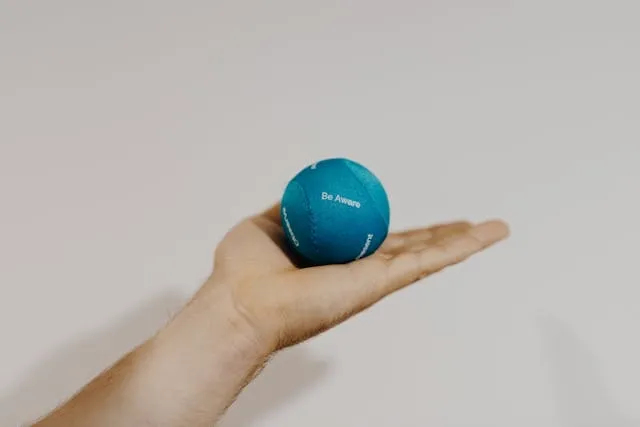
Proper technique starts with how you hold the stress ball. Rest your shoulders, keep your arm relaxed, and place the ball comfortably in your palm. From here, do the following:
- Instead of simply squeezing as hard as you can, start with slow, steady pressure.
- Hold for a second, then release gently.
- Breathing is important - exhale as you squeeze to encourage relaxation.
This pacing helps prevent hand strain - something we’ve seen regularly when people rush the motion. Quick squeezing has its place, but it's better reserved for short bursts of nervous energy.
Avoid gripping your custom lunar pressure stress ball or other product for too long without breaks, especially if you start to experience hand fatigue. Over time, you’ll find your rhythm that feels natural and genuinely soothing.
How To Use A Stress Ball For Anxiety With Simple Techniques
When someone asks me how to use a stress ball for anxiety in 2026, we usually start with rhythmic squeezing. That steady pattern helps interrupt anxious loops by giving your brain something predictable to follow.
Try matching each squeeze to your breathing. Inhale, then gently squeeze while exhaling. This pairing calms the nervous system more effectively than squeezing alone. You can also use the ball alongside grounding exercises, such as identifying nearby sounds or focusing on the temperature of the ball.
A 2025 study in hemodialysis patients found that regular stress ball use significantly reduced anxiety and increased comfort levels. These small sensory cues help redirect mental energy when anxiety begins to rise.
Over time, the combination of movement and focus becomes a quiet, reliable anchor during stressful moments.
|
Stress Ball Type |
Best For |
Firmness / Feel |
Pros |
Cons |
|
Round, Traditional Stress Ball |
General stress relief, office use, steady squeezing techniques |
Soft–Medium; classic sponge material |
Familiar shape, easy to grip, great for rhythmic squeezing |
Not ideal for tight spaces or specific sensory needs |
|
Flat Disc / Hockey-Puck Style Stress Ball |
Palm comfort, long sessions, mild anxiety |
Medium; flatter tactile contact |
Very comfortable in palm, spreads pressure evenly, good for rolling techniques |
Less effective for grip strengthening |
|
Cylindrical / Lighthouse Shape |
Stronger grip training, fidgeting, restless energy |
Medium–Firm |
Easier to squeeze along length, more versatile grip positions |
Not as compact; may feel unusual for beginners |
|
Cute / Character Stress Ball (e.g., Alpaca) |
Anxiety relief, sensory grounding, emotional comfort |
Soft; slow-rebound |
Visually comforting, pleasant to hold, great for gentle squeezing |
Not suitable for intense grip training |
|
Textured Stress Ball |
Sensory focus, grounding during anxiety spikes |
Soft–Medium with tactile surfaces |
Strong sensory feedback, great for grounding |
Not ideal for fast squeezing rhythms |
|
Firm Therapeutic Stress Ball |
Strength building, hand rehab, forearm tension |
Firm |
Excellent for strengthening, measurable progress |
Too firm for anxiety use |
How Do Stress Balls Work To Reduce Stress?
Most people assume stress balls work through simple hand exercise, but the mechanism is more nuanced. When you squeeze the ball, your hand muscles contract, then release, signaling your brain to relax that tension.
This physical rhythm creates a calming feedback loop. The repetitive motion also taps into the same pathways used in fidget-based tools, giving your mind something steady to focus on. That sensory distraction can be surprisingly effective when stress feels too “loud.”
The tactile feel of the ball is often described as:
- Soft
- Firm
- Textured
This variation adds another layer of grounding. For many people, it’s the combination of light physical movement and consistent sensory input that makes stress balls genuinely soothing.
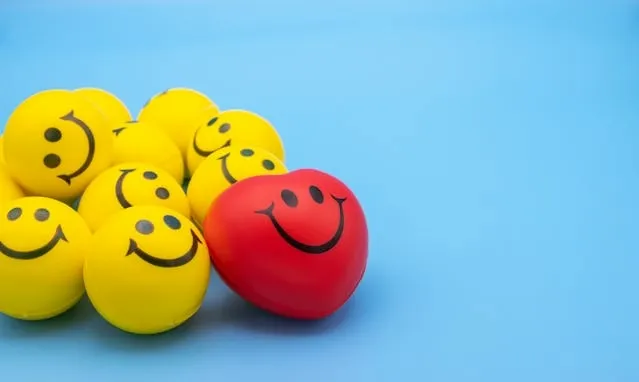
Work with us to create custom smiley stress balls and many other personalized varieties to use as promotional products that offer comfort and relief alongside a branded experience for recipients.
Are Stress Balls Effective For Everyday Stress?
Stress balls can be genuinely helpful for day-to-day tension, especially for people who carry stress in their hands, forearms, or shoulders. We’ve seen office workers, students, and even frequent travelers benefit from keeping one within reach.
They aren’t a solution for deeper emotional strain - this might be better addressed by journaling for mental health or seeking therapy. But they do offer a quick way to release nervous energy without drawing attention.
The key is using them consistently. Short sessions throughout the day typically work better than one long squeeze-fest. They are a simple physical outlet for people who get restless during:
- Phone calls
- Tight deadlines
- Crowded situations
It’s a modest tool, but it reliably softens those little spikes of everyday pressure.
Looking for a traditional stress ball shape?
The squeezing experience is different with different shapes, and our custom glossy sponge material round stress balls are the default.
What Are The Benefits Of Squeezing A Stress Ball?
Squeezing a stress ball does more than help your mood - you’ll notice the physical benefits fairly quickly. Regular use can offer advantages like:
- Strengthening your grip
- Improving finger flexibility
- Easing tension that builds up after long hours typing or using a mouse
Some people even use stress balls as part of their warm-up routine before handwriting or drawing. The mental effects are just as helpful. The repetitive motion brings your focus back to the present moment, which is often enough to calm a racing mind.
Because stress balls are portable, you can reach for one whenever you need a brief reset. It’s a small habit that gradually supports better emotional balance. Some people also enjoy creating custom cork coasters with reassuring or inspiring quotes written on them for comfort.
What Are The Limitations Of Stress Balls?
Although stress balls are useful, it’s important to understand their limitations so you don’t rely on them for more than they can deliver. They relieve short-term stress but cannot address the deeper causes behind chronic tension or anxiety.
In a randomized trial of 135 patients undergoing skin-cancer excisions, stress balls were not shown to reduce anxiety or pain. This shows that they are not likely to be helpful in situations of more extreme stress.
Overusing one can also lead to issues like:
- Hand fatigue
- Mild strain
This is something we’ve seen in people who squeeze too hard too often. They’re also less effective for individuals who need more movement-based coping strategies, such as walking or stretching.
A stress ball is best viewed as a supplemental tool - one that fits naturally into your day but doesn’t replace broader self-care habits. Setting realistic expectations helps you appreciate their benefits more fully.
Choose a flat, disc shape for a different tactile experience
Our custom ice hockey stress balls are round and flat, so they are comfortable and easy to squeeze in your palm.
Learn moreWhat Stress Ball Techniques Can Help Reduce Tension?
Different techniques create different results, so it’s worth experimenting until you find the method that feels most natural. Slow, steady squeezing is ideal for moments of moderate stress, while quicker pulses work better when you feel restless or overstimulated.
For deeper relaxation, you can combine squeezing with mindful breathing, letting your exhale guide the motion. Rolling the ball between your palms is another technique we often recommend, as it loosens tension without requiring much effort.
What matters most is consistency; a few minutes each day gradually makes these techniques feel intuitive. Certain air fresheners work to enhance feelings of relaxation through the principles of aromatherapy, and this might deepen the benefits.
Once you learn how to switch between techniques, the stress ball becomes a flexible tool you can adapt to any situation.
What Is The Basic Squeezing Technique?
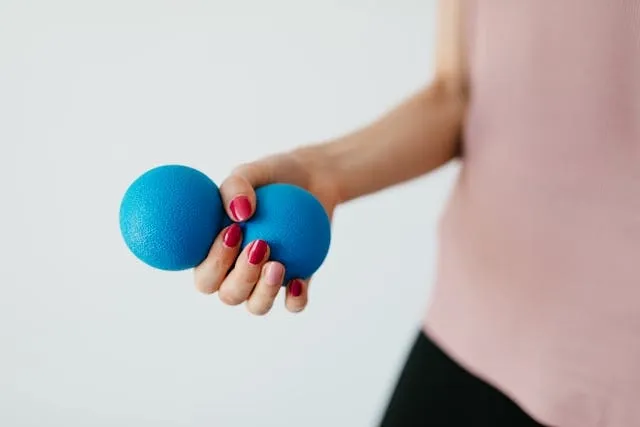
The basic squeezing technique is simple but surprisingly effective when done with intention. Sit comfortably, relax your shoulders, and hold the stress ball loosely in your palm. As you exhale, squeeze the ball until you feel moderate resistance - there’s no need to crush it.
Hold the squeeze briefly, then release slowly. This gentle rhythm is ideal for:
- Work breaks
- Waiting rooms
- Any moment that feels a little overwhelming
It keeps your hands busy without causing fatigue. A 2014 intervention study also found that regular use can increase tip-pinch strength, lateral pinch strength, and even forearm circumference.
We often suggest alternating hands every minute or so to maintain balance. Over time, this foundational technique becomes your default strategy, something you can use almost anywhere without drawing attention.
How Does The Breathing-Rhythm Squeeze Improve Calm?
Linking your squeezing pattern to your breathing helps regulate your nervous system faster than squeezing alone. Try inhaling through your nose, then squeezing the stress ball slowly as you exhale.
The motion gives your mind a physical anchor, making it easier to stay focused on the breath instead of drifting into stress. We’ve used this method ourselves during hectic travel days, and it consistently helps reset our rhythms.
Even a minute or two can make a noticeable difference. Practicing when you’re already calm is helpful, because the technique becomes second nature when stress does hit. It may also help to look at a comforting quote or message on a custom neon light for added reassurance.
Prefer a cylindrical shape to squeeze?
The term “ball” is used loosely in this product. Our custom lighthouse stress balls are satisfying to squeeze and easy to customize.
How Does Rolling A Stress Ball Improve Flexibility?
Rolling a stress ball between your hands or along your desk creates a subtle stretching effect that many people overlook. This motion encourages your fingers to spread and relax, helping loosen stiffness from typing or gripping a steering wheel for long periods.
We often recommend slow, circular rolling because it gently massages the small muscles of the hands without straining them. You can also roll the ball with one hand against the table, letting the pressure release tightness in the palm.
It’s a low-effort technique that fits easily into daily routines. A 2024 study found that 20 seconds of squeezing a vibrating stress ball can reduce measured anxiety, but this gentler method is a great alternative for many. Over time, these small movements enhance flexibility and help maintain better overall hand comfort.
When Should You Use A Stress Ball For The Best Results?
The best time to use a stress ball is whenever tension begins building, not after it has already peaked. Early use keeps small stressors from turning into bigger ones. Many people find it helpful:
- During morning commutes
- Between meetings
- While unwinding in the evening
The trick is consistency, because short, frequent sessions create more lasting benefits than occasional long ones. We've met clients who keep one in the car, another at their desk, and a third near the sofa simply because it helps them stay ahead of stress.
Many rely on their morning coffee for stress relief. But this can be expensive, bad for health, and leads to issues like how to get coffee stains out of mugs. Use a stress ball during natural pauses in your routine, and you’ll notice the cumulative effect fairly quickly.
How Long Should You Squeeze A Stress Ball Per Session?
Most people find that one to five minutes per session is ideal, though there is some flexibility depending on your hand strength and stress level. Beginners should start on the shorter end to avoid fatigue.
If your hand begins to ache or tighten, that’s a clear signal to pause. Think of it as a light workout for your hands - gradual increases are better than pushing too hard. Some people prefer several brief sessions throughout the day, especially during work or study breaks.
A steady rhythm matters more than long duration. With regular practice, you’ll develop a comfortable routine that fits naturally into your schedule.
Choose something cute for your stress ball use
With our custom rebound cute alpaca stress balls, you get a cute little companion as well as a satisfying squeeze.
Get startedHow Can Stress Balls Help With Anxiety Symptoms?
Stress balls can be surprisingly effective when anxiety starts to build. The tactile sensation provides immediate grounding, pulling your focus away from racing thoughts and into the physical moment.
Squeezing the ball helps release muscle tension and can lower your heart rate when paired with steady breathing. We’ve seen people use them discreetly before presentations or during crowded events where anxiety tends to increase.
The simple repetition quiets mental noise just enough to help you regain control. While stress balls don’t eliminate anxiety altogether, they offer a fast, accessible way to interrupt the cycle and steady your thoughts before they escalate.
Researchers believe the stiffness and shape of the ball affects how force is distributed across fingers, so ensure appropriate ball firmness and size for best results.

What Are The Physical Effects Of Using A Stress Ball?
Physically, stress balls do more than ease stress. They actively improve hand strength, circulation, and flexibility. Repeated squeezing works the small muscles in your fingers and forearms, which is useful for anyone who types frequently or plays an instrument.
You may feel mild fatigue at first, but that’s normal and usually fades as the muscles adapt. A gentle warming sensation often follows, signaling improved blood flow. Simply squeeze our custom dice toy stress ball regularly and you may actually improve your hand health.
One misconception is that stress balls dramatically change hand shape, but that’s not how the muscles work. Instead, they support overall hand comfort and mobility, which becomes especially noticeable during long workdays or repetitive tasks.
Frequently Asked Questions About How To Use A Stress Ball
How To Use A Stress Ball For Effective Relief?
Effective relief comes from deliberate technique rather than mindless squeezing. Start by relaxing your shoulders and follow your breathing, squeezing the stress ball gently as you exhale.
How Many Minutes Per Day Should You Use A Stress Ball?
Most people do well with a total of five to fifteen minutes per day, broken into smaller sessions whenever stress spikes. There’s no strict rule - your hands will tell you if you’re overdoing it.