How To Wear Silk Scarf On Head? Hair Protection, Tying Methods, Modern And Classic Styles
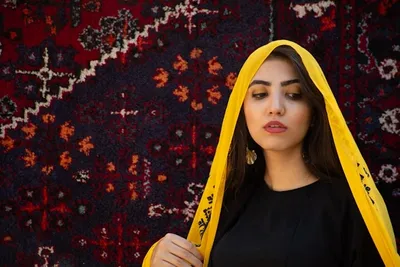
A silk scarf worn on the head has never really gone out of style, it has just changed moods. Sometimes it is about protecting hair, other times it’s about polish, and often both at once. We have seen silk scarves move easily from practical routines into everyday outfits without effort.
In this guide, we look at how to wear a silk scarf on the head properly, removing the guesswork and making it feel wearable. Silk feels light but intentional; it looks refined without being stiff. Once you understand placement and fabric behavior, it starts to feel like part of how you dress.

Key Takeaways
- Silk scarves protect hair while adding structure and style, making them practical for daily wear and polished looks alike.
- Placement, folding, and fabric weight matter more than complicated knots when learning how to wear a silk head scarf.
- With the right approach, one silk scarf can move easily between casual, professional, and expressive styling moments.
- We supply high-quality custom scarves that can be styled to wear on the head with personalized designs. Enjoy premium craftsmanship and generous bulk discounts.
Table of contents
-
How To Wear Silk Scarf On Head?
-
How To Wear A Silk Head Scarf In Classic And Modern Styles
-
How To Wrap A Silk Scarf Around Your Head Using Different Techniques
-
How To Wear Silk Scarf In Hair Without Damaging Strands
-
How To Wear A Long Silk Scarf On Your Head Without Overwhelming Your Look?
-
How To Wear A Square Silk Scarf On Head With Clean Structure
-
How To Keep A Silk Scarf From Slipping In Different Situations
-
What Are Stylish Ways To Tie A Head Scarf Today?
-
How Can Silk Scarves Be Styled Directly Into Hairstyles?
-
What Alternative Head Scarf Aesthetics Suit Different Personalities?
-
How Does Hair Length Affect Silk Scarf Styling Choices?
-
How Can Men Wear Silk Scarves On The Head Confidently?
How To Wear Silk Scarf On Head?
A silk scarf is a smooth, lightweight fabric designed to sit gently against hair and skin. People wear it on the head for many reasons, from reducing friction to finishing an outfit with intention. Beginners often start with medium sized scarves because they are easier to control.
- Smaller scarves limit coverage
- Oversized ones can feel bulky without folding
When learning how to wear a silk scarf on your head, it helps to decide your goal first. Hair protection needs more coverage, and could be done with custom knitted beanies or other hats. Styling, meanwhile, can be looser. Comfort depends on tension and placement.
A common mistake we see is pulling the scarf too tight or placing it too far back, leading to slipping. Let your custom printed scarves follow the natural shape of your head when you wear them - don’t fight it.
How To Wear A Silk Head Scarf In Classic And Modern Styles
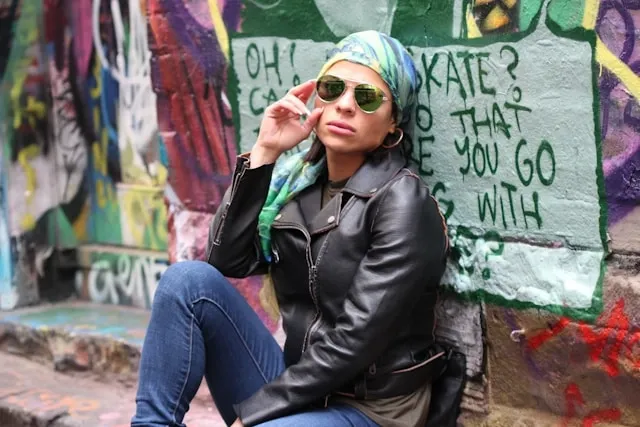
A head scarf is different from a neck scarf because it needs to stay put while framing the face. Silk works especially well here because it drapes without stiffness and reflects light softly. There are different ways to style it:
- Classic styles usually involve clean folds and centered placement.
- Modern looks play with asymmetry or visible knots.
Knowing how to wear a silk head scarf means understanding that both approaches rely on the same basics. Balance matters, as does fabric quality. You could also switch to other materials - there are great free reversible scarf knitting patterns for people who like the DIY approach.
We often rotate the same scarf between tailored outfits and relaxed clothing just by changing how it is tied. Season also plays a role: lighter wraps feel right in warmer months, while layered looks work well in cooler weather. Silk adapts without looking out of place.
|
Your Goal |
Best Scarf Fold |
Best Tying Technique |
Best Security Method |
|
Protect hair (sleep, lounging, travel) |
Wide fold or full triangle |
Full wrap with knot at nape |
Velvet wig-grip or thin undercap + tuck tails |
|
Polished everyday look |
Narrow to medium fold |
Side tie or low back knot |
2 crossed bobby pins at temples |
|
Hot weather / sun protection |
Triangle fold (wide base) |
Back knot or low side knot |
Pin behind ears + undercap (optional) |
|
Active day (walking, commuting) |
Medium fold (not too thick) |
Low back knot, tails tucked |
Velvet wig-grip + 2 pins |
|
Fine or slippery hair |
Medium fold with textured edge |
Side tie or wrapped knot |
Velvet wig-grip + temple pins |
|
Thick or voluminous hair |
Wide fold or full wrap |
Knot lower on the head (nape) |
Hair in low bun + tuck scarf over |
|
Short hair / pixie cut |
Narrow fold |
Front-set or side knot |
Pins hidden under fold |
|
Statement / fashion look |
Narrow or sculpted fold |
Side knot or front knot |
Minimal pins (placed discreetly) |
|
Edge protection (curly/coily hair) |
Wide fold at hairline |
Full wrap or side tie |
Undercap + loose tension |
Looking for an alternative to silk scarves?
Our custom knitted scarves are made from acrylic yarn, offering warmth and style with bespoke designs and diverse applications.
How To Wrap A Silk Scarf Around Your Head Using Different Techniques
Wrapping and tying serve different purposes. Wrapping uses the fabric itself to hold shape, while tying relies on knots for security. When learning how to wrap a silk scarf around your head, wrapping often feels softer and more comfortable for longer wear.
It spreads tension evenly and reduces pressure points. This approach works well for full coverage or protective styles. Tying is better when you want a visible focal point or quicker application.
Coverage level matters too. Research shows that silk is great for breathability and comfort, so both the look and feel will be different depending on the coverage level:
- Full wraps protect hair completely.
- Partial wraps frame the face and leave hair visible.
We suggest testing both methods at home to see how your scarf behaves. Silk responds differently depending on fold thickness and hand movement.
Most Popular Ways To Tie A Silk Scarf On Your Head
Some tying styles stay popular because they work on many head shapes and hair types. Simple back knots, side ties, and low front ties are commonly used because they balance ease with stability.
When people ask about ways to tie a silk scarf on your head, they are usually looking for something that feels secure without looking overworked. If you only want a scarf for your neck, there are alternatives available like custom neck gaiters.
For head scarves, the available styles adapt easily. A slight shift in knot placement can change the entire look. We also find that popular styles tend to forgive small imperfections, which matters when learning.
Comfort plays a role too - if a style feels restrictive, it rarely becomes a favorite. You can work with us to create custom hair scarves and other varieties that are reliable and versatile. We offer diverse customization options, high-quality fabrics, and competitive pricing including generous bulk discounts.
How To Wear Silk Scarf In Hair Without Damaging Strands
One of the biggest reasons people choose silk is hair protection. Silk reduces friction, which helps limit breakage, frizz, and dryness. When learning how to wear a silk scarf in hair, placement matters as much as fabric.
Studies show that the smooth fiber structure and tensile strength provide a scientific basis for why silk is so popular for head coverings. The scarf should glide over strands rather than compress them.
- Protective use often involves fuller coverage, especially at night or during travel.
- Styling use is lighter and more decorative.
We have noticed that looser wraps keep curls and textured hair intact longer. Straight hair may need gentle anchoring to prevent sliding. The key is avoiding tight tension at the hairline. A silk scarf should feel supportive, not restrictive, and should never pull when you move.
How To Wear A Long Silk Scarf On Your Head Without Overwhelming Your Look?
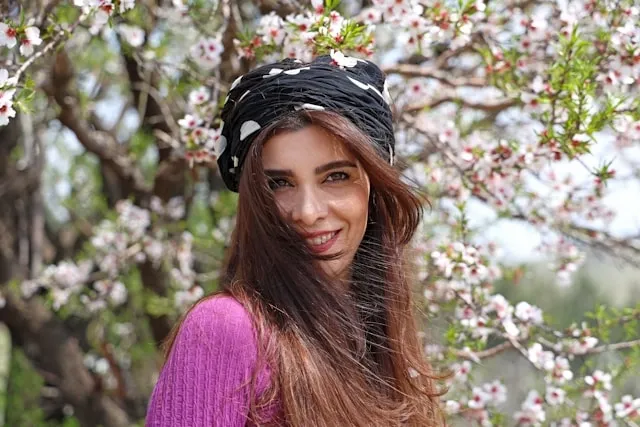
Long scarves offer flexibility but can easily overpower an outfit if left unchecked. Folding is the most important step as it narrows the width before wrapping to keep proportions balanced. When learning how to wear a long silk scarf on your head, think vertically as well as horizontally.
Length should flow with the shape of your head rather than hang heavily on one side. Symmetry helps, even if the final look is asymmetrical. We often recommend securing the base first, then adjusting the tails. This prevents constant shifting.
Long scarves shine when they look intentional. Once the excess fabric is controlled, they feel elegant instead of heavy. There are various techniques to achieve this, so explore the options available to you.
Choose a shawl that is easy to wear on your head
Work with us to create custom shawls and learn various ways to wear them on your head to display a personalized style with ease.
Learn moreHow To Wear A Square Silk Scarf On Head With Clean Structure
Square scarves are often the easiest to control, especially for clean and structured looks. Their even shape makes folding predictable, which reduces bulk and uneven edges. It helps to learn how to wash a scarf properly to keep it in optimal condition for folding.
When learning how to wear a square silk scarf on the head, you have two primary options for folds:
- Folding diagonally creates a natural triangle that sits well across the forehead.
- Straight folds feel sharper but require more precision.
Fabric stiffness also matters. A softer silk drapes naturally, while firmer silk holds angles better. We usually adjust the fold width based on coverage needs. Wider folds protect more hair, narrower folds feel lighter.
Edge alignment is what keeps the look polished. Small adjustments make a big difference, especially around the temples where scarves tend to shift first.
How To Keep A Silk Scarf From Slipping In Different Situations
Silk slips because it is smooth by nature. That is part of its appeal, but it also presents a challenge. Researchers in 2019 identified how headscarves are worn, folded, and tied in different cultures, and there are many variations.
Hair texture plays a big role in how much a silk scarf slips:
- Fine hair needs lots of anchoring.
- Textured or thick hair might get away with little or not anchoring.
When people ask how to keep a silk scarf on head, the answer is usually friction, not force. Gentle grip helps more than tight knots. We often use slight folding at the hairline to create natural resistance.
Placement matters too, as scarves set too far back tend to slide forward. Situational movement is another concern, as scarves can be stressed by walking, driving, or even working at a desk. Adjusting placement for the day’s activity keeps the scarf comfortable and in place.
Need a simple alternative for your hair?
Get a bespoke look in your hair with custom hair scarves in your choice of style, designed for wearing in your hair.
What Are Stylish Ways To Tie A Head Scarf Today?
Current styling leans relaxed but intentional. Modern ways to tie a silk scarf on your head often leave some hair visible or allow ends to flow naturally. The look feels styled without feeling controlled.
Placement has shifted too. Common choices for headscarves are to have them:
- Sit slightly back from the hairline.
- Angled to one side.
We see a lot of mixing between tailored clothing and softer scarf styling. With this contrast, you keep the look grounded, and color choice matters more than pattern complexity. Simple tones paired with clean outfits feel modern.
Trends change, but scarves remain relevant because they adapt easily. The key is letting the scarf enhance the outfit rather than compete with it.
How Can Silk Scarves Be Styled Directly Into Hairstyles?
Silk scarves work well when treated as part of the hairstyle instead of an add on. When learning how to wear a silk scarf in hair this way, tension control matters. They can be:
- Woven into braids
- Wrapped around ponytails
- Used to secure buns.
The scarf should support the style without pulling strands. Historical and cultural analysis of head coverings shows that fabric choice and wrapping styles have evolved across cultures - be mindful of cultural appropriation.
Decorative use focuses on visibility, while functional use focuses on protection - we often combine both. Silk helps reduce friction where hair rubs against itself or accessories. It also adds visual interest without extra styling tools.
The result feels thoughtful but not overdone. Integration works best when the scarf follows the direction of the hairstyle naturally.
What Alternative Head Scarf Aesthetics Suit Different Personalities?
Not every scarf style fits every personality. Some people prefer clean, minimal placement. Others lean toward expressive wraps with visible knots or layered folds. Understanding how to wear a silk head scarf includes knowing what feels natural to you.
The aesthetic of the scarf matters too:
- Bold patterns suit confident styling.
- Solid colors support quieter looks.
We find that people often settle into one or two go-to methods that feel like their own. That consistency builds confidence. A scarf should feel like an extension of personal style, not a costume.
We recommend that you learn how to store scarves in a way that preserves their appearance so they are ready to be worn when you need them. Once the aesthetic matches personality, wearing it becomes effortless.
Get our most diverse scarves and tie them as you choose
With our service, you can create custom square scarves that can be tied in various ways to wear on your head or anywhere else.
Get startedHow Does Hair Length Affect Silk Scarf Styling Choices?
Hair length changes how scarves sit and move. Short hair often benefits from scarves that create shape and volume. Longer hair needs balance so the scarf does not disappear. When learning how to wear a silk scarf on the head with different hair lengths, proportion is key.
- Longer hair pairs well with wider folds or visible ends.
- Short hair works with cleaner, closer placement.
- Medium lengths can go either way.
We also adjust coverage based on hair density rather than length alone. The scarf should complement what is already there. Experts say that head cover construction is a key consideration for comfort, and silk is versatile due to its smoothness and breathability.
When the relationship between hair and scarf feels balanced, the style holds better and looks more intentional.
How Can Men Wear Silk Scarves On The Head Confidently?
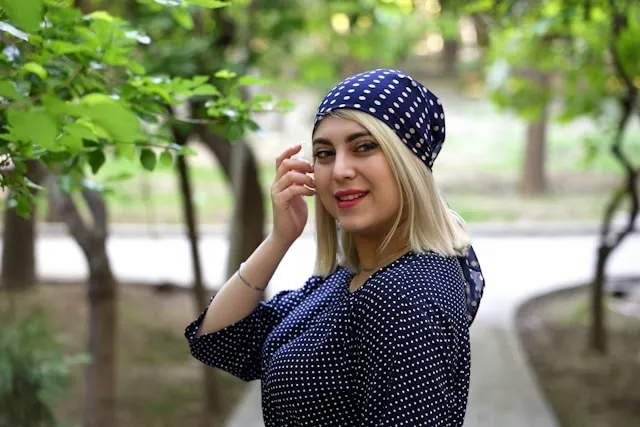
Silk scarves are not gendered by design. Confidence comes from simplicity and purpose. Men often prefer straightforward wraps with minimal folds and neutral colors. It can be achieved with custom knitted scarves, square scarves, or even shawls.
When learning how to wear a silk scarf on your head confidently, practicality helps. Scarves feel natural when they are worn for:
- Sun protection
- Hair control
- Comfort
Styling follows function. We see strong looks built around clean lines and secure placement. The scarf should sit comfortably without constant adjustment - once it feels useful, it feels wearable, and fashion grows from that comfort.
A silk scarf worn with intention reads as considered rather than experimental.
Frequently Asked Questions About How To Wear Silk Scarf On Head
How To Wear Silk Scarf On Head For Beginners?
Start with a square or medium sized scarf, fold it evenly, and focus on balanced placement rather than complex knots.
How To Style Hair With A Silk Scarf?
Use the scarf to support braids, ponytails, or buns while keeping tension light to avoid pulling or slipping.