How To Inflate Foil Balloons For A Fuller Party Look
Foil balloons look easy until something goes wrong during inflation. The good news is that the method to inflate foil balloons is simple once you understand the valve. In this guide, we look at blowing up foil balloons to expand evenly with gentle handling so you can enjoy their benefits.
Key Takeaways
- Most foil balloons inflate through a self-sealing valve at the neck or filling tab.
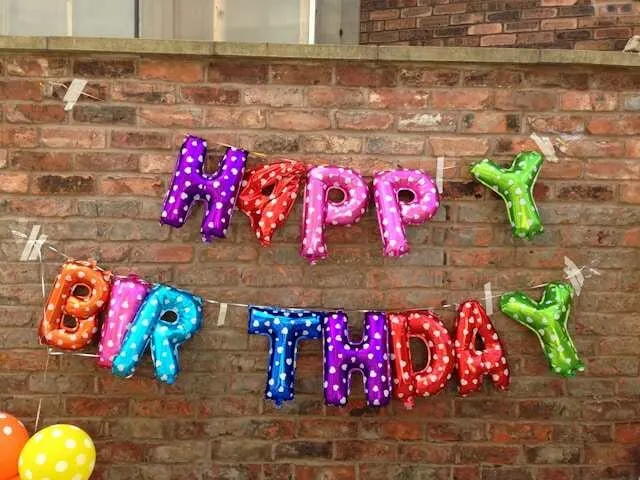
- Air-filled foil balloons work well for walls, tables, arches, and backdrops, but they will not float.
- Inflate slowly and stop when the balloon looks full but still has a little give at the seams.
- We supply high-quality custom foil balloons and other varieties with personalized designs at great prices, and our products are simple to inflate.
Table of contents
-
How To Inflate Foil Balloons
-
Which Tools Are Best For Inflating Foil Balloons?
-
What Are The Steps To Inflate Foil Balloons Safely?
-
How Do You Make Foil Balloons Look Full And Smooth?
-
How Long Will Foil Balloons Stay Inflated With Regular Air?
-
What Is The Most Affordable Way To Fill Foil Balloons?
-
What Safety Tips Should You Know Before Inflating Foil Balloons?
How To Inflate Foil Balloons
To inflate foil balloons, first find the valve at the neck or filling tab. Insert a straw, hand pump nozzle, electric pump nozzle, or helium tank tip gently into the opening. Make sure you push only far enough for air or helium to flow.
From here, begin inflating slowly, watching the shape as it fills. Here are some useful tips:
- A good foil balloon should look rounded and smooth, not stretched like it is about to burst.
- If the seams look tight, stop.
- Most foil balloons seal themselves when you remove the tool.
We always suggest starting with less pressure than you think you need. You can easily add more air, but you cannot undo a split seam.
How Do You Inflate Foil Balloons At Home?
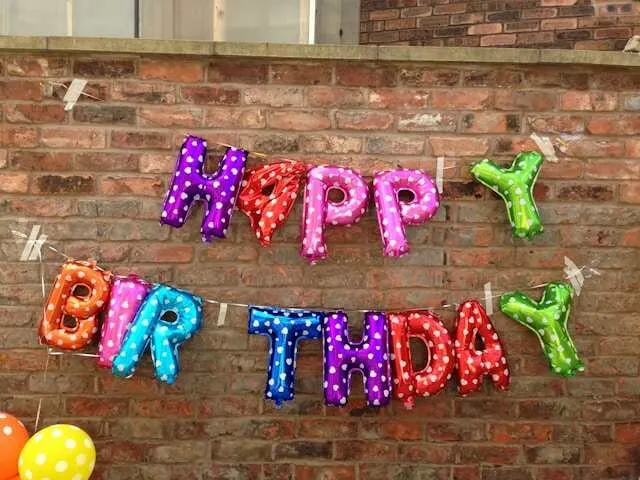
At home, you can inflate foil balloons with a straw, a hand pump, or a small electric balloon pump. Home inflation is best for decorations that do not need to float, such as balloon walls, table displays, photo booth props, and reusable party setups.
Here’s a little detail about using each of these items:
- A straw works for small balloons or letter balloons, though it takes more effort.
- A hand pump is easier and gives better control.
- An electric pump helps when you have several balloons to fill, but use short bursts so you do not overinflate them.
Be sure to stop when the balloon feels firm but not hard. A little flexibility protects the seams - the same goes for custom inflatable cheering sticks and other inflatables that don’t have the flexibility of latex.
Can You Inflate Foil Balloons Without Helium?
It is simple to inflate foil balloons without helium. Regular air works well when the balloon will be taped to a wall, placed on a table, hung from a backdrop, or used in a garland. A lightweight flexible film inside helps with balloon inflation retention.
Air-filled foil balloons do not float, so they need support from tape, string, sticks, balloon cups, or a display frame. This is often the most affordable choice for large parties because helium can get expensive fast.
We like air for custom balloons used in photo areas because they stay exactly where you place them. Helium is only needed when you want the balloon to rise and float on its own.
Here is some troubleshooting advice:
| Problem | Likely cause | What to do |
|---|---|---|
| Air will not go in | Nozzle not inside valve channel | Reinsert at a shallower angle |
| Balloon leaks slowly | Damaged valve or seam | Press valve, check for holes, use a new balloon if leaking continues |
| Corners stay flat | Air has not reached narrow sections | Massage air gently toward the corners |
| Balloon looks wrinkled | Underinflated | Add small bursts of air |
| Seams look tight | Overinflated | Stop immediately; do not add more air |
Which Tools Are Best For Inflating Foil Balloons?
The best tool depends on the balloon size and the display. For example, a straw is fine for small foil balloons, but it can be slow. Hand pumps, electric pumps, and helium tanks can all be good alternatives.
- A hand pump is better for most home projects because it is cheap, simple, and easy to control.
- An electric pump is useful for large batches, big letters, or event setups.
- A helium tank is needed when the balloon must float.
Choose a nozzle that fits the valve without stretching it - overstretching the valve is a common mistake to avoid with these items. Large number balloons often need a stronger pump or helium tank, while small foil shapes need a narrow nozzle and patience. The tool should help, not fight the valve.
Do You Need A Special Pump For Foil Balloons?
You do not always need a special pump for foil balloons. A standard balloon pump often works if the nozzle fits into the valve. Narrow nozzles are helpful because foil balloon openings can be small and flat.
If the nozzle is too wide, it may stretch or damage the valve. An electric pump is useful for large batches, but it can fill balloons very quickly, so use short bursts. Helium tanks are only needed when you want floating balloons.
For wall displays, air is usually enough. If you are ordering custom balloons for an event, ask whether they are designed for air, helium, or both.
How Do Foil Balloon Valves Work?
Many foil balloons have self-sealing valves inside the neck. The valve lets air or helium enter, then closes when the straw or nozzle is removed. It works like a narrow sleeve between the foil layers.
- When the tool slides in, it opens a path for air.
- When the tool comes out, the layers press together and help trap the air inside.
Improper insertion can block the airflow or tear the seal. Some foil balloons, especially certain commercial or specialty designs, may need heat sealing after inflation. Always check the product instructions if they are included.
The valve is small, but it controls everything. If you want a simpler decoration or promotional item, custom pulpboard coasters are an affordable and impactful alternative.
Interested in foil balloons shaped like letters?
Our custom letters balloons are easy to inflate with air or helium and made from durable foil that stands the test of time.
What Are The Steps To Inflate Foil Balloons Safely?
Start by laying the balloon flat on a clean surface. This gives you the right foundation for the rest of the process, helping to facilitate each step that follows. From here, the steps go like this:
- Find the valve at the tail or filling tab.
- Insert the straw, pump nozzle, or helium tip slowly.
- Inflate in short, controlled bursts. Pause often and check the shape.
- The balloon should fill evenly, with corners and curves expanding naturally.
- If one area stays flat, gently guide air toward it with your hands.
- Stop before the surface feels tight or the seams look strained.
- Remove the nozzle carefully and pinch the valve area for a few seconds if needed.
Safe inflation is mostly about patience - rushing is what causes popping, leaks, and warped shapes. Work with us to create custom foil balloons in any design at a competitive price and enjoy high-quality manufacturing and durable design.
How Do You Seal A Foil Balloon After Inflation?
Most foil balloons seal automatically after inflation. Once the balloon looks full, remove the straw or nozzle slowly and let the valve close. Gently press the neck area between your fingers to help the self-sealing layers settle.
The valve and the interior barrier film help reduce deflation. Do not fold the valve sharply unless the instructions say to. Some specialty balloons need heat sealing, but that is less common for everyday party balloons.
If heat sealing is required, use the correct tool and keep the heat brief. Too much heat can melt the foil, close the wrong area, or ruin the design. For most home users, the built-in valve does the work.
How Do You Open The Valve On A Foil Balloon?
The valve is usually at the balloon tail, neck, or filling tab. It may look like a flat clear strip, a small colored tab, or a narrow sleeve between the foil layers. To open it, gently slide in a straw or nozzle.
Do not jab or force the valve. If it resists, adjust the angle and try again. The tool should pass into the inner channel, not between random foil layers. Once the valve opens, air should flow in easily.
If you feel blockage, stop and reposition. A torn valve can cause a slow leak, and that is annoying when the party table is already set. The balloons can be some of the best promotional products for business or decorations for events, but only if inflated correctly.

How Do You Reinflate A Deflated Foil Balloon?
Some foil balloons can be reinflated if the valve and seams are still in good shape. First, check the balloon for holes, torn edges, deep creases, or a stretched neck. If it looks sound, insert a straw or pump nozzle back into the valve.
Inflate slowly and watch for leaks:
- A balloon that deflated because of normal time may reinflate well.
- A balloon that deflated because of a damaged seam probably will not.
Reused foil balloons may not look quite as crisp as new ones, but they can still work for casual displays, photo props, and practice setups. Custom designs are often worth saving but the helium inflation process can be a delicate one.
How Do You Make Foil Balloons Look Full And Smooth?
To make foil balloons look full and smooth, spread the balloon flat before inflating. Smooth the corners gently so air can travel into each section. Inflate slowly and stop when the balloon is rounded but not tight.
- Underinflated foil balloons look wrinkled and saggy.
- Overinflated balloons look strained, with sharp-looking seams and a stiff surface.
Neither of the above is ideal. Getting this balance right is important for things like custom inflatable angled arches and cheering sticks too.
For large letters or numbers, massage air into narrow sections as you fill them. Do not squeeze hard - the goal is even shape, not maximum pressure. A slightly flexible balloon often looks better than one filled until it feels like a drum.
How Can You Prevent Overinflation In Foil Balloons?
Prevent overinflation by watching the seams, not just the overall size. If the seams look stretched or the balloon feels rock-hard, you have gone too far. Foil balloons need a little room for air expansion, especially if they will move from a cool room to a warmer outdoor setting.
Inflate indoors slowly, then check the balloon again before taking it outside. Heat can make the gas inside expand. This is one reason balloons sometimes pop in cars or direct sun. They can also burst under changing pressure due to expansion in different surroundings.
Stop when the balloon looks full, smooth, and still slightly flexible. A perfect balloon has shape, but not too much pressure inside.
Choose a glossy alternative to foil balloons
Our custom chrome balloons offer a bold, personalized look and are easy to inflate and cheaper to buy than foil ones.
Learn moreHow Long Will Foil Balloons Stay Inflated With Regular Air?
Air-filled foil balloons can often stay inflated for days or even weeks when the valve seals well and the balloon is handled gently. They usually last longer than latex balloons because foil is less porous.
That said, there are a number of variables that matter, including:
- Valve quality
- Temperature
- Handling
- Storage
Indoor balloons last better than outdoor balloons because wind, sun, heat, and rough surfaces can weaken them. Keep air-filled balloons away from sharp decor, hot windows, and heavy handling.
If you are setting up early for an event, inflate one test balloon first. This can reveal slow leaks before the real display is due. Balloons can be top types of promotional products with logos, but they undermine the aesthetic if they lose inflation.
Looking to display balloons in the shape of numbers?
Work with us to create custom number balloons in various colors and sizes to get the right look for your personalized foil balloons.
What Is The Most Affordable Way To Fill Foil Balloons?
The most affordable way to fill foil balloons is regular air, especially for non-floating decorations. Use a straw, hand pump, or electric pump, then attach the balloons to a wall, backdrop, table display, or balloon frame.
This works well for:
- Large name displays
- Number balloons
- Custom balloons
- Photo areas
Helium costs more, so save it for balloons that truly need to float. Buying or renting helium may still be worth it for ceiling displays, floating centerpieces, or doorway clusters. It is pretty essential for custom PVC giant balloons.
If the balloon will be taped to a backdrop anyway, helium is wasted money. Air is cheaper and easier to manage.

What Safety Tips Should You Know Before Inflating Foil Balloons?
Foil balloons are fun, but they still need sensible handling. Keep uninflated balloons and small ribbon pieces away from young children because they can be choking hazards. Here are some more safety tips:
- Supervise children during inflation.
- Do not use sharp tools to open the valve.
- Keep metallic foil balloons away from power lines, electrical equipment, and outdoor wires. If a foil balloon escapes outside, it can become a hazardous foreign object.
- Use weights for helium balloons and dispose of damaged balloons responsibly after the event.
- Never inhale helium from a tank or balloon. It may seem silly and harmless, but it can reduce oxygen and cause serious harm.
Follow these tips and you should have no problem using your balloons safely.
Frequently Asked Questions About How To Inflate Foil Balloons
Can You Inflate Foil Balloons At Home?
Yes. You can inflate foil balloons at home with a straw, hand pump, electric pump, or helium tank. Use air for non-floating displays and helium for floating balloons.
Can You Inflate Foil Balloons Without Helium?
Yes. Foil balloons can be filled with regular air for wall, table, photo booth, and backdrop decorations. They will not float unless they are filled with helium.