How Often Should You Wash Your Water Bottle? (Bacteria Buildup, Mold Signs And Reuse)
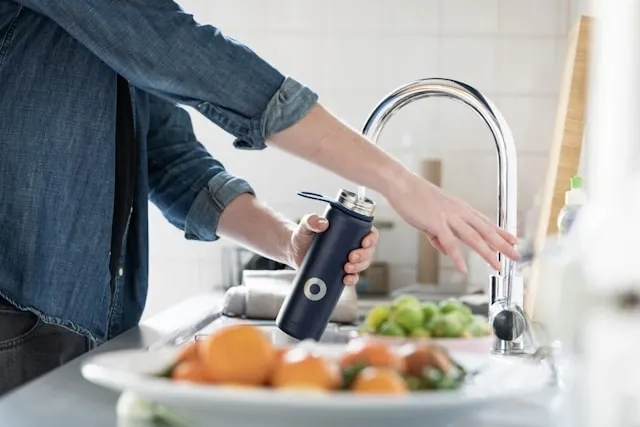
Reusable water bottles are everywhere now. We carry them to work, the gym, the car, and sometimes even to bed. What gets less attention is what happens inside them over time. Most people assume water is clean by default, but that assumption causes problems.
In this guide, we show how warmth, moisture, and backwash create a comfortable environment for bacteria to settle in. We have seen bottles that look fine on the outside but smelled the moment the lid came off. So how often should you wash your water bottle? Read on to understand basic cleaning habits.

Key Takeaways
- Washing your bottle regularly limits bacteria growth that builds up faster than most people realize, especially with daily reuse.
- Stainless steel bottles resist odors better, but they still require frequent cleaning to stay safe.
- Rinsing helps briefly, but proper washing is what actually removes biofilm and residue.
- We supply high-quality custom water bottles in a range of designs and materials that are easy to clean and maintain for long-term hygiene.
Table of contents
-
How Often Should You Wash Your Water Bottle?
-
What Are The Signs You May Need To Wash Your Bottle More Often?
-
How Often Should You Wash A Stainless Steel Bottle Safely?
-
Which Types Of Water Bottles Resist Mold Best?
-
What Happens If You Don’t Wash Your Water Bottle Regularly?
-
How Long Can A Bottle Go Unwashed Safely?
-
Can You Refill A Water Bottle Without Washing It?
-
How Should You Clean A Water Bottle Properly?
-
How Should You Clean Bottle Straws And Lids?
-
What Are The Daily And Weekly Bottle Care Routines You Should Follow?
How Often Should You Wash Your Water Bottle?
Regular washing matters because bacteria multiply quickly in moist environments. Most experts agree that daily cleaning is ideal if you use your bottle every day. That doesn’t mean a deep clean every time, but soap and warm water go a long way.
Weekly routines alone are not enough, especially if the bottle travels between places or sits in a warm car. Many people ask how often they should wash their water bottle when they only drink water, and the answer is the same: often.
Refilling your custom Quench Master water bottles without cleaning feels harmless, but backwash introduces microbes each time. We recommend that you think in terms of daily light washing and a more thorough weekly clean.
If you keep up this balance, you should keep buildup under control without adding hassle.
Why Should You Clean Your Water Bottle?
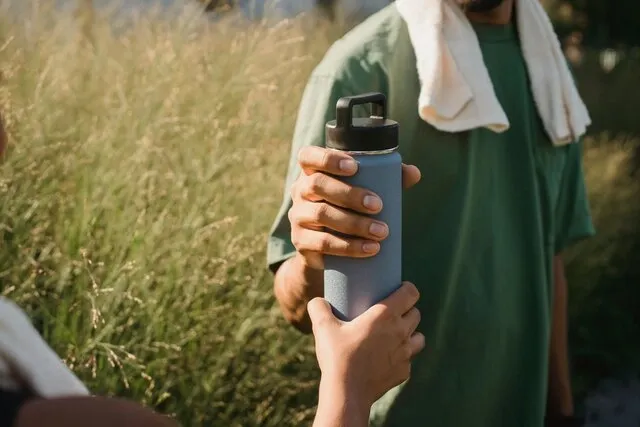
An unwashed bottle becomes a quiet breeding ground. Bacteria love moisture, darkness, and warmth, which describes most reusable bottles. Over time, microbes form a thin biofilm that clings to the interior surface.
You might not see it at first, but taste changes usually show up early. We have noticed people blame water quality when the real issue was the bottle itself. Cleaning improves safety, but it also improves flavor as fresh water tastes like water again.
Regular cleaning also reduces exposure to germs that can cause issues like:
- Stomach discomfort
- Mild illness
Once people understand how quickly bacteria colonize these spaces, cleaning starts to feel less optional and more like basic hygiene. It is also important to be mindful of how many ounces in a water bottle - larger bottles can develop more significant problems.
|
Use scenario |
Wash frequency |
Notes |
|
Desk work, water only |
Daily |
Light soap wash |
|
Gym / sports |
After every use |
Sweat + saliva accelerates growth |
|
Hot car storage |
Same day |
Heat spikes bacterial growth |
|
Shared bottle |
Immediately |
Cross-contamination risk |
What Are The Signs You May Need To Wash Your Bottle More Often?
Smell is usually the first warning. A sour or musty odor means bacteria or mold has already started to grow. Studies show that reusable water bottles can reach tens of thousands to millions of bacteria per millimeter within one day, so cleaning is essential.
Here are some other telltale signs:
- Slimy residue inside the bottle or around the lid is another clear sign.
- Sometimes the bottle looks fine, but the water tastes stale after only a short time. That usually means biofilm is present.
Certain habits make contamination happen faster. Leaving a bottle in a hot car, sharing it, or using it during workouts increases bacterial load. We have also seen lids and straws collect buildup faster than the bottle body itself.
These signs mean cleaning frequency should increase, not just cleaning intensity.
In search of a durable plastic water bottle that is easy to wash?
Customize your own Hydro Flow 32oz plastic water bottle and enjoy optimal aesthetics, durability, and minimal maintenance.
How Often Should You Wash A Stainless Steel Bottle Safely?
Stainless steel bottles resist odor better than plastic, but they are not self cleaning. People often assume metal bottles need less care, which leads to longer gaps between washes. Daily use still calls for daily washing.
As a bare minimum, rinse and soap once per day, especially if the bottle is used repeatedly. Insulated stainless steel bottles deserve extra attention because moisture lingers longer inside. If you have custom Thermo Seal insulated tumblers or something similar, we recommend a deeper clean every few days for those, including the lid and seal.
When people ask how often you should wash a stainless steel water bottle, the answer depends on use, not material. Metal slows odor buildup, but bacteria still grow if left unchecked.
Which Types Of Water Bottles Resist Mold Best?
Material choice matters more than branding. The most common water bottle materials are stainless steel, plastic, and glass, so let’s take a look at each of them for mold resistance:
- Stainless steel resists mold better because it is non porous and easier to clean thoroughly.
- Plastic bottles scratch over time, and those scratches trap bacteria and moisture. That makes mold harder to remove completely.
- Glass bottles resist mold like stainless steel and they clean easily, but they also break more easily, which limits how people use them.
Stainless steel hits a practical middle ground. We have seen mold appear fastest in bottles with complex lids, regardless of body material. Simpler designs are easier to keep clean. Choosing mold resistant materials helps, but cleaning habits matter more than material alone.
No bottle stays safe without regular care. But you can work with us to create custom Carry Mate aluminum water bottles with snap lids to enjoy a premium aesthetic and simple cleaning. They look great and are easy to keep hygienic.
Explore metallic water bottle options
Our custom Smooth Flow metallic tumblers look elegant and are easy to wash, offering maximum hydration with minimum effort.
Learn moreWhat Happens If You Don’t Wash Your Water Bottle Regularly?
When a bottle goes unwashed, bacteria do not just linger - they multiply. Within a day or two, bacterial levels can spike far beyond what most people expect. Ideal conditions for microbial growth come from things like:
- Moisture
- Warmth
- Trace sugars from saliva
Another risk is that mold can also develop, especially in lids and seals. We have seen bottles that looked clean but tested high for microbial presence. Over time, residue builds up and becomes harder to remove, even with soap.
The longer a bottle stays dirty, the more established the biofilm becomes. Some stainless steel cups are dishwasher safe, which can help, but you need to confirm this for yourself. That biofilm increases the risk of exposure with every sip. Skipping washes occasionally may not cause immediate illness, but repeated neglect raises health risks quietly.
What Can Happen If You Drink From A Dirty Bottle?
Drinking from a dirty bottle exposes you to bacteria you did not plan on consuming. Most reactions are mild, such as stomach discomfort or nausea, but that does not mean they are harmless.
Biofilm can trap harmful microorganisms that resist simple rinsing. Researchers have found that leaving bottles uncleaned for extended periods leads to increased microbial counts, and this can have more significant health concerns.
We have seen people experience recurring stomach issues without realizing their bottle was the source. The risk increases for people like:
- Children
- Older adults
- Anyone with a sensitive immune system
Taste changes are often the first clue, but by then contamination is already present. Drinking from a contaminated bottle repeatedly compounds exposure. Clean bottles support hydration - dirty ones quietly undermine it.
How Long Can A Bottle Go Unwashed Safely?
There is a big difference between what feels safe and what actually is. Realistically, a bottle used daily should not go more than one day without washing. In cooler conditions with limited use, some people stretch that to two days, but risks increase quickly.
Experts warn that both PET and stainless-steel bottles accumulate bacteria during normal use without regular cleaning. Contamination happens even faster with things like:
- Heat
- Physical activity
- Frequent refills
A bottle used at the gym or left in a car needs cleaning sooner. We often hear how often to clean water bottle questions framed around time alone. Time matters, but environment matters more. Moisture trapped overnight accelerates growth, making even short delays meaningful.
Looking for something robust for hiking or travel?
Take a look at our custom Trail Venture stainless steel bottles, optimized for durability and easy cleaning for your convenience.
Can You Refill A Water Bottle Without Washing It?
Refilling without washing is common, but not always safe. If the bottle was washed recently and only used briefly, refilling once may be acceptable. The problem comes when refilling becomes a habit rather than an exception.
Each sip introduces bacteria back into the bottle. Rinsing helps, but it does not remove biofilm. Whether you have a single water bottle or a custom Welly Tumbler traveler bundle set, it’s important to be diligent with cleaning to ensure there are not growing threats inside.
Many people ask how often I should clean my water bottle because refilling feels harmless. In reality, repeated refills compound contamination. We suggest that you treat refilling as temporary and washing as the reset. That mindset keeps bacteria from gaining a foothold.
Is Rinsing Your Bottle Enough?
Rinsing removes loose debris, but it leaves bacteria behind. Biofilm sticks to surfaces and resists plain water. Soap breaks down that film and allows bacteria to wash away. Studies show that poor water bottle hygiene can support dangerous pathogens, so proper washing is essential for true hygiene.
Rinsing alone can make a bottle look clean while remaining contaminated.
- Short term use may not cause issues.
- Daily reliance on rinsing is not enough.
We have tested bottles that were rinsed regularly and still showed heavy bacterial presence. In practical terms, this is not sustainable for good health. There are rare exceptions, such as immediate refills within the same hour, but those are limited.
For everyday use, rinsing supports washing. It does not replace it.
How Should You Clean A Water Bottle Properly?
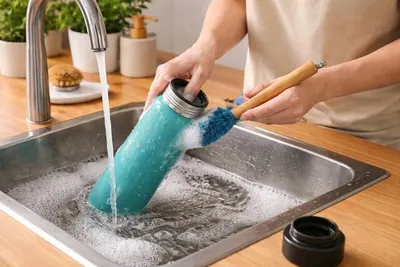
Daily cleaning does not need to be complicated. Warm water, dish soap, and a bottle brush cover most needs. Weekly cleaning should go deeper, and you should pay particularly close attention to areas like:
- Threads
- Seals
- Lids
We recommend disassembling all removable parts. Sanitizing solutions can help occasionally, but soap does most of the work. Drying matters more than people think. Letting a bottle air dry fully reduces moisture that bacteria rely on.
If you have bottle or tumbler design ideas for women that involve engravings, you may need to pay attention to those grooves as well. We have found that consistent simple cleaning works better than occasional aggressive scrubbing. Routine care keeps bottles safer and easier to maintain long term.
Choose the right balance of durability and convenience for your sports bottle
Work with us to customize Win Chaser stainless steel sports bottles and enjoy easy refreshment and convenient cleaning every time.
Get startedHow Should You Clean Bottle Straws And Lids?
Straws and lids collect bacteria faster than bottle walls. Narrow spaces trap moisture and residue. Research shows that inadequate cleaning or reusable water containers is a major source of bacterial contamination, and this applies especially to straws and lids.
Mini brushes are essential here.
- We suggest cleaning straws daily if used, especially for flavored drinks.
- Lids with valves or seals should be taken apart regularly. We have seen mold grow inside lids while the bottle body stayed clean.
Drying is critical. Leaving parts damp encourages growth overnight. Set pieces out separately and allow airflow so that everything can dry thoroughly.
People often focus on the bottle and forget the lid. In reality, the lid is usually the problem area.
What Are The Daily And Weekly Bottle Care Routines You Should Follow?
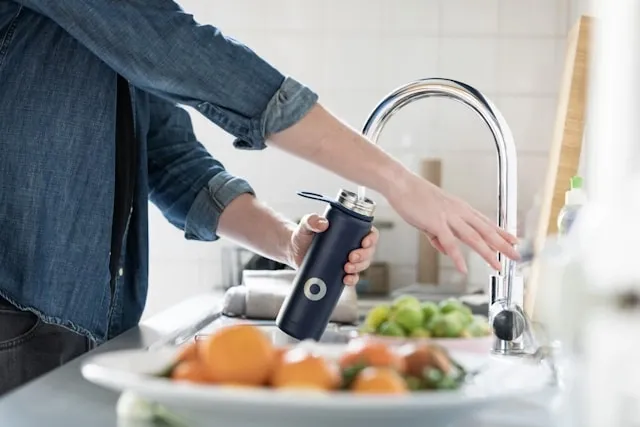
Daily care focuses on prevention, while weekly care is a reset. Daily care should involve a thorough wash of the bottle with your other dishes, while weekly washing needs to involve a more thorough clean of the component parts.
- Daily: Wash with soap, rinse well, and dry fully.
- Weekly: Disassemble parts, scrub thoroughly, and check for buildup. We encourage people to inspect seals and threads during weekly cleaning.
Dry storage matters too. Bottles stored closed stay damp longer. Leaving them open helps moisture escape. These routines are simple once they become habits, whether you have a custom Hydro Flask wide mouth w/ flex straw cap 32oz or something simpler. We have seen people reduce odors and taste issues within a week just by being consistent.
Clean routines keep bottles safer without adding much effort.
Frequently Asked Questions About How Often Should You Wash Your Water Bottle
How Often Should You Wash Your Water Bottle For Daily Safe Use?
Daily washing is recommended for bottles used every day, especially if refilled multiple times or used during workouts.
How Often Should You Clean Your Reusable Bottle?
Light cleaning should happen daily, with deeper cleaning at least once per week for lids, seals, and straws.