What Is A Gratitude Journal? Science Backed Benefits And Positive Brain Changes
People often hear the phrase “gratitude journal”, but many are not quite sure what it actually means. We tend to assume it is about forcing positivity or pretending things are fine when they aren’t. In practice, it is a lot more grounded than that.
In this guide to what a gratitude journal is, we look at how they serve as a place to notice what supported you during the day, even in small ways. This process can help manage stress, burnout, and everyday life transitions, developing skills to respond differently to difficulty.
Gratitude journaling works quietly through repetition, not intensity.

Key Takeaways
- A gratitude journal is an intentional writing practice focused on noticing support, not denying difficulty.
- Consistency matters more than length, structure, or writing skill.
- The benefits build gradually through awareness, not forced positivity.
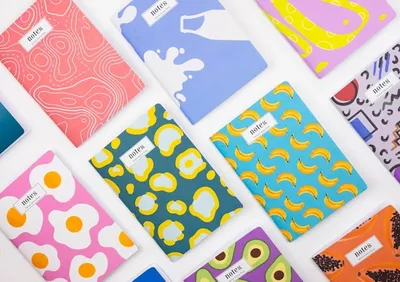
- We supply high-quality custom journals and notebooks that are perfect for your gratitude journaling journey. Design, order, and start recording your experiences in style.
Table of contents
-
What Is A Gratitude Journal?
-
What Does A Gratitude Journal Look Like In Practice?
-
How Do You Start A Gratitude Journal For Wellbeing?
-
Why Does Gratitude Journaling Work According To Science?
-
Benefits Of Gratitude Journaling In Daily Life
-
How Do You Structure A Gratitude Journal Effectively?
-
Why Is Gratitude Journaling A Powerful Long Term Practice?
-
Who Is A Gratitude Journal For?
What Is A Gratitude Journal?
So, what is a gratitude journal in plain terms? It is a personal space where you can regularly write down moments, experiences, or actions you feel thankful for. The gratitude journal is rooted in attention, not optimism.
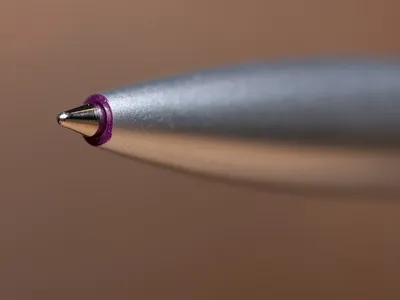
Gratitude journaling is different from standard diary writing because it isn’t focused on recounting everything that happened; it narrows the lens. Instead of asking what’s wrong, it asks what helped, then you get out your custom Easy Click minimalist ball pen and write it down.
Common things include:
- Conversations
- Moments of quiet
- Finishing a task you were dreading
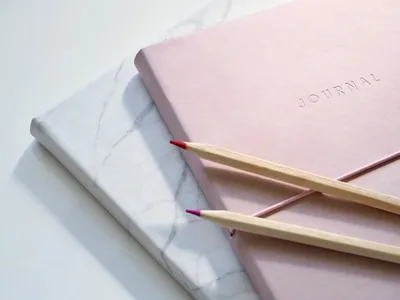
But what is gratitude journaling really about? It trains the mind to notice support that would otherwise go unacknowledged. Over time, this can change your emotional habits. In our custom Big Milton leather journal notebook set, we are not rewriting reality. We are learning to see more of it.
What Does A Gratitude Journal Look Like In Practice?
A gratitude journal does not follow a fixed format. Some people use a physical notebook, others type entries on their phone or computer. Both can work - what matters is accessibility. A study from 2013 highlights that gratitude journaling interventions consistently increase positive emotions and life satisfaction.
A gratitude journal definition does not include design rules or page counts. We have seen journals filled with short bullet thoughts and others with a few reflective sentences per day. Some include dates, some do not. There is no correct layout.
What’s a gratitude journal supposed to look like? It looks like something you will actually return to. Personalization helps because habits stick when friction is low. If a format feels restrictive, it usually does not last.
Flexibility allows the practice to adapt as life changes. That adaptability is part of why gratitude journaling remains effective over time.
|
Format |
Best for |
Friction level |
Common failure mode |
Fix |
|
Paper notebook |
Reflection & memory |
Medium |
Forget to carry it |
Keep by kettle/bed |
|
Notes app |
On-the-go |
Low |
Entries become generic |
Use a prompt shortcut |
|
Guided journal |
Structure lovers |
Low-medium |
Feels repetitive |
Rotate prompt sets |
What Is An Example Of A Gratitude Journal Entry?
A typical gratitude journal entry is short and specific. It might include one to three moments from the day. Instead of writing “I am grateful for my family,” a more effective entry focuses on detail. For example, noting a specific phone call with a family member that felt reassuring or a shared laugh during dinner.
Gratitude journaling meaning comes from clarity, not length. Many people also include how the moment made them feel. That is an emotional layer that matters because it strengthens memory and awareness. Gratitude journal entries differ in this way from bullet journal ideas, for example.
We often suggest writing in complete thoughts rather than vague statements. This keeps the practice grounded. A gratitude journal is not a highlight reel. It captures ordinary support that usually passes unnoticed. That is where its impact comes from, day after day.
Looking for the perfect journal for gratitude journaling?
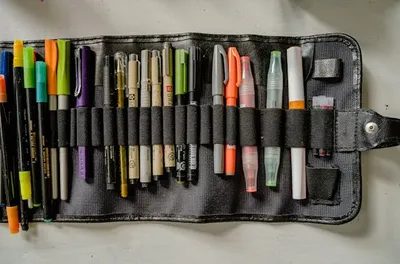
We supply high-quality custom leather notebooks with pens that make the perfect place to record your gratitude.
How Do You Start A Gratitude Journal For Wellbeing?
Starting a gratitude journal works best when expectations stay realistic. Many people stop because they try to do too much too soon. We encourage starting with one entry per day, or even a few times per week.
Wellbeing improves through repetition, not intensity. Gratitude journaling supports long-term mental health by shaping attention patterns. At first, this can feel awkward, but that hesitation is normal.
People often worry they will run out of things to write. In practice, the opposite happens. Once attention shifts, examples become easier to spot. We have seen beginners benefit most when journaling is tied to an existing routine, such as before bed.
Randomized and clinical studies show that structured gratitude journals are simple, scalable practices that produce measurable mental health benefits when done consistently. Keeping it simple reduces resistance and helps the habit settle naturally.
Choose a stylish notebook for your gratitude journaling
With a custom Amaryllis journal, your gratitude journal will look exactly how you want it and you have ample space for your records.
Learn moreWhy Does Gratitude Journaling Work According To Science?
Gratitude journaling is supported by a growing body of psychological research. Studies show that regularly noticing positive experiences strengthens neural pathways linked to emotional regulation. It increases awareness of positive experiences and strengthens interpersonal appreciation.
This does not mean stress disappears. It means the brain becomes better at balancing stress with perspective. When people ask what a gratitude journal is from a scientific standpoint, the answer involves attention training. The brain responds to what it repeatedly focuses on.
Similar to learning how to journal for mental health, gratitude journaling shifts your focus in small, consistent ways. The existing research suggests this practice can offer benefits like:
- Improved mood
- Elevated sleep quality
- Greater resilience over time
We always set realistic expectations as results are gradual with gratitude journaling. Gratitude journaling works best as a long-term habit, not a quick emotional fix.

Benefits Of Gratitude Journaling In Daily Life
The benefits of gratitude journaling extend beyond mood improvement. Over time, people often report better stress tolerance and improved emotional balance. Small frustrations carry less weight when you keep noting positive experiences on custom 3x3 sticky notes or a portable notebook.
Gratitude journaling encourages a wider emotional range, not constant positivity. It helps people notice progress and support that would otherwise fade into the background. These effects compound slowly - we have seen how this practice influences things like:
- Decision-making
- Patience
- Interpersonal awareness
Journaling can also strengthen self-trust. When you regularly acknowledge what is working, confidence builds quietly.
For those who prefer a tangible tool, we offer custom Americana leather wrapped journals and various other options through our online store at accessible prices. These products are designed to offer a personalized journal for long-term use without distraction.
The practice remains the focus. The journal simply supports it.
Seeking a sleek modern look for your gratitude journal?
Use our service to create a custom Naples two-tone journal with a personalized design that feels truly yours.
How Do You Structure A Gratitude Journal Effectively?
Structure helps, but rigidity usually gets in the way. A gratitude journal works best when it fits into daily life without feeling like an obligation. We often recommend a loose structure, such as noting the date and writing one to three reflections.
- Some people write at the same time each day.
- Others write when something stands out.
Both of these approaches are valid. What is gratitude journaling meant to support? The answer is awareness, not compliance.
Beyond that, experimentation is an important part of the process. You might try morning entries for intention or evening entries for reflection. As soon as a format stops feeling useful, it is time to adjust it. Structure should serve consistency, not perfection.
Over time, the rhythm becomes intuitive. That is when the practice settles into something sustainable and personal.
What Are Gratitude Journal Prompts You Can Use Daily?
Prompts exist to reduce friction, especially on days when nothing feels obvious. A gratitude journal prompt gently directs attention without forcing an emotional outcome. Examples include noticing something that eased your day or a challenge that taught you something useful.
According to research from 2019, neuroscience links gratitude practices to brain regions involved in emotion regulation and social bonding. Gratitude journaling meaning deepens when prompts encourage specificity:
- Vague answers rarely stick.
- Reflection-based questions help people move beyond surface-level appreciation.
We have seen prompts work best when they stay open-ended and flexible. You do not need new prompts every day - repeating a familiar question can reveal changing perspectives over time.
Prompts are tools, not requirements. When they help, use them; when they do not, skip them. The practice remains effective either way, but it is essential that you use methods and techniques that work for you.
Choose an eco-friendly, pared-back journal option
Our custom Eco Spiral notebook and pen is perfect for your gratitude journal and it is also friendly to the environment.
Get startedWhy Is Gratitude Journaling A Powerful Long Term Practice?
Gratitude journaling works because it reshapes attention over time. The power is not in any single entry. It comes from repetition. When people ask what a gratitude journal is doing beneath the surface, the answer lies in awareness.
Daily life contains both strain and support and this practice teaches the brain to register both. When you learn how to use a stress ball properly, you gain a tool to release stress energy in the moment. Gratitude journaling is more of a long-term solution.
- Consistency matters more than eloquence.
- Missed days do not undo progress.
What matters is returning without judgment. Over months, people often notice subtle shifts in how they interpret setbacks: reactions soften and perspective widens. Gratitude journaling is not about changing circumstances, it merely changes how circumstances are processed.
That internal shift is what makes the practice durable and relevant across different life stages.
Who Is A Gratitude Journal For?
A gratitude journal is not limited to a certain personality type or lifestyle.There is a misconception that gratitude journaling requires optimism or emotional openness. In reality, skepticism does not block effectiveness. It works for:
- Analytical thinkers
- Creatives
- Busy professionals
- People navigating emotional recovery.
Longitudinal studies show that regular gratitude journaling leads to sustained improvements in mental well-being over weeks to months. We have seen people start reluctantly and continue because the results felt practical.
Gratitude journaling is useful for anyone interested in mental clarity, emotional balance, or stress resilience. It does not require artistic expression or deep introspection - it simply requires attention. That makes it accessible across age groups and backgrounds.
Whether you are managing a demanding schedule or seeking a steadier mindset, the practice adapts to individual needs. Every journey starts with a single step, so all you need to do is make a start with gratitude journaling.

Can Gratitude Journaling Help During Difficult Periods?
Gratitude journaling can be helpful during stress, burnout, or emotional lows, but expectations need to be realistic. It is not a cure or a replacement for professional support. We have observed that journaling during hard times helps people feel less consumed by distress by introducing moments of grounding
During difficult periods, entries often look different. Gratitude might focus on small stabilizing moments rather than positive outcomes, and that is enough. Recognizing small positives that help you get through is exactly what this process is all about. The goal is not to minimize pain; it is to prevent pain from becoming the only story you record.
Used gently, gratitude journaling supports emotional processing without pressure. It can coexist with things like:
- Frustration
- Grief
- Uncertainty
That balance is what makes it realistic and respectful of lived experience. So grab your custom pocket Eco-Note keeper and carry it with you to make entries whenever the time calls for them.
Frequently Asked Questions About What Is A Gratitude Journal
What Is A Gratitude Journal In Simple Terms?
A gratitude journal is a place to regularly write down moments you appreciate. It helps train attention toward support and progress, even during ordinary or difficult days.
What Are The Benefits Of Gratitude Journaling In Daily Life?
Over time, gratitude journaling supports emotional balance, stress regulation, and perspective. The effects build gradually through consistency rather than intensity.