How To Remove Ballpoint Ink From Clothes? Quick Working Methods And Tricks
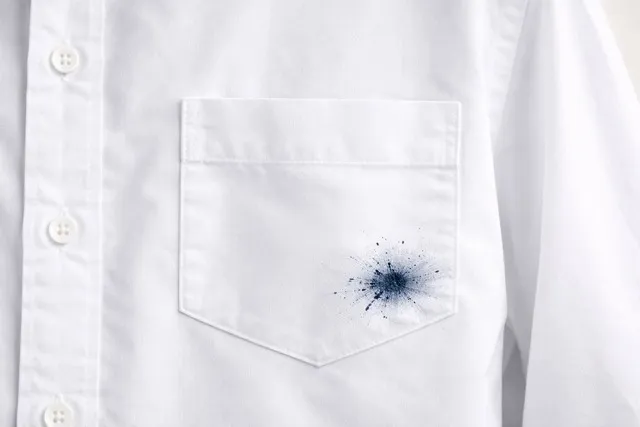
Ballpoint ink stains are one of those everyday accidents that feel permanent the moment they happen. A pen leaks in a pocket, a note gets scribbled on a sleeve, and suddenly the question becomes how to remove ballpoint ink from clothes without making things worse.
In this guide, we walk you through what actually works, what usually fails, and why some methods succeed on one fabric but ruin another. The goal is to achieve realistic results, not miracles. You need to know when complete removal is possible versus when fading is the win.
Key Takeaways
- Ballpoint ink bonds quickly because it is oil based, so fast action always improves results and limits fabric damage.
- Different fabrics react differently, which means the same method can work perfectly on cotton and fail on synthetics.
- Heat sets ink permanently, so washing or drying before treatment often makes removal much harder or impossible.
- We supply high-quality custom ballpoint pens in a range of formats and styles, all with diverse personalization options and low risk of leaking on your clothing.
Table of contents
-
How To Remove Ballpoint Ink From Clothes
-
How Do I Get Ballpoint Pen Ink Out Of Clothes Using General Methods?
-
How Can You Remove Ball Pen Ink From White Clothes Without Yellowing?
-
What Is The Best Stain Remover For Ballpoint Pen Ink On Clothes?
-
Does Ballpoint Pen Wash Out In The Washing Machine?
-
Does Rubbing Alcohol Get Pen Ink Out Of Clothes?
-
How Do You Remove Ink Stains From Different Types Of Fabric?
-
Why Is Ballpoint Ink Difficult To Remove From Clothes?
-
How Is Roller Ball Ink Stain Removal Different From Ballpoint Ink?
-
How To Remove Ballpoint Ink From Clothes Using Household Liquids
-
How To Remove Ballpoint Ink From Clothes After Drying
How To Remove Ballpoint Ink From Clothes
When we talk about removing ballpoint ink from clothes, swift action is the biggest advantage you have. Oil-based ink from a custom Field Retractable plastic ball pen spreads along fabric fibers quickly, especially when body heat or friction is involved.
The first step is always damage control. Blotting lifts the ink from the surface without pushing it deeper, while rubbing does the opposite. Here are a couple of other important tips:
- Fabric type: This plays a huge role. Natural fibers like cotton absorb ink differently than synthetics, which tend to hold it closer to the surface.
- Age: This matters too. Fresh stains respond far better than dried ones.
- Heat exposure: This changes everything. Even a short dryer cycle can lock ink permanently into the fibers.
If you get ink onto clothes while writing on your custom 3 x 4 sticky notes, expectations should be realistic. Some stains disappear completely, some lighten enough to be wearable again. Knowing the limits up front prevents frustration and fabric loss later.
How Do I Get Ballpoint Pen Ink Out Of Clothes Using General Methods?
Before reaching for a specific solution, it helps to understand the basic rules of ballpoint pen ink removal. Ink wants to travel, so your job is to lift it upward and outward, not spread it sideways.
- Blotting pulls ink into your absorbent material.
- Rubbing grinds it deeper into the fabric.
Ballpoint ink behaves differently than gel or roller ink because of its oil content, which repels water and clings to fibers. That is why plain soap rarely works on its own. Studies have found that ozone combined with detergents at controlled temperatures can work on cotton, but there are various other approaches.
Most successful methods rely on dissolving the oil carrier so the pigment can move. Household liquids often work because they break down that oil base gently. Starting with general principles keeps mistakes small and fabrics salvageable.
|
Fabric Type |
Best First Method |
Avoid |
Important Notes |
|
Cotton |
Isopropyl alcohol blotting |
Hot water, tumble drying |
Very forgiving fabric. Place a paper towel underneath and blot repeatedly. Wash cold only after the ink is gone. |
|
Denim |
Isopropyl alcohol or alcohol + dish soap |
Scrubbing, bleach (before ink is removed) |
Thick weave holds ink longer. Expect multiple blotting cycles. Can tolerate more effort than lighter fabrics. |
|
Polyester |
Alcohol blotting |
Acetone, heat |
Ink often sits closer to the surface but heat sets it quickly. Act fast and avoid dryers at all costs. |
|
Nylon |
Alcohol blotting (gentle) |
Acetone, aggressive rubbing |
Fibers can weaken easily. Blot lightly and rinse thoroughly to prevent halos. |
|
Rayon / Viscose |
Diluted alcohol or glycerin |
Scrubbing, soaking |
Weak when wet and prone to distortion. Spot-tests are essential. Stop if fabric begins to lose shape. |
|
Linen |
Alcohol blotting |
Excessive soaking |
Similar to cotton but creases easily. Support fabric well during blotting to avoid setting rings. |
|
Wool |
Professional cleaning preferred |
Alcohol, acetone, water saturation |
Alcohol can damage fibers and cause shrinking. Home treatment is high-risk unless the stain is extremely small. |
|
Silk |
Professional cleaning preferred |
Alcohol, acetone, water |
Ink spreads easily and solvents can leave permanent marks. DIY treatment often worsens the stain. |
|
Acetate / Triacetate |
Professional cleaning only |
Alcohol, acetone, heat |
Very solvent-sensitive fabric. Ink removal at home often causes melting or sheen damage. |
Looking for a high-quality personalized ballpoint pen?
We supply custom Easy Click minimalist plastic ball pens that don’t leak and offer a premium writing experience and branding opportunities.
How Can You Remove Ball Pen Ink From White Clothes Without Yellowing?
White fabrics make ballpoint pen stains feel more dramatic, but they also show damage faster when treated aggressively. The instinct to reach for bleach is understandable, but it often creates yellow halos or weakens fibers around the stain.
We usually focus on lifting ink before brightening fabric. Here are some tips for this:
- Gentle solvents work better than oxidizers at first.
- Blotting from the back side of the fabric helps push ink outward instead of spreading it.
- Rinsing thoroughly between attempts matters more with whites because residue shows easily.
Heat is the enemy here. Even warm water can set faint ink shadows. A study from 2020 found that bleach activators like sodium perborate and TAED increased removal efficiency of ink from cotton, but it’s best to try gentler approaches first.
In some cases, professional cleaning is the safer option, especially for structured garments or delicate weaves where distortion is a bigger risk than the stain itself.
What Is The Best Stain Remover For Ballpoint Pen Ink On Clothes?
The best stain remover for ballpoint pen ink depends on what you are treating and how accessible the solution needs to be. The key factor is whether the remover dissolves oil without stripping dye or weakening fibers. Some ingredients work fast but carry risks on delicate or colored fabrics.
- Commercial products are convenient and often formulated specifically for oil based stains, which makes them reliable on common fabrics.
- Homemade solutions can work just as well when used carefully, especially on fresh stains.
Cost and availability matter too. What works perfectly at home may not be practical on the road or at work. In many cases, it may be safer to use a custom mechanical pencil for note-taking to eliminate the risk of ink leaks and accidents on clothing.
Testing on a hidden seam is not optional - it saves garments more often than any single product does. Work with us to create custom Opulent metal ball pens with personalized designs and enjoy minimal risk of leaks and competitive pricing, with bulk discounts available.
Choose a ballpoint pen with an ergonomic grip
Our custom Purposive Retractable plastic ball pens can be personalized and offer a smooth writing experience and low risk of leaking.
Learn moreDoes Ballpoint Pen Wash Out In The Washing Machine?
Washing alone rarely removes ballpoint pen ink, and it often makes the situation worse. Water does not dissolve oil based ink effectively, so the stain usually survives the wash cycle unchanged.
Heat is the real problem. Once ink goes through warm water or a dryer, it bonds more tightly to fabric fibers. That is why so many people end up searching how to get ballpoint pen ink out of clothes after washing. The washing machine can help only after proper treatment has already lifted most of the ink.
Cold water is essential at that stage, and gentle cycles reduce fiber stress. Researchers have found that silicone surfactants can be combined with hydrocarbon ones to improve removal of ink-based stains from cotton, because they lower surface tension. This underlines the importance of good prep before washing.
Skip the dryer until you are confident the stain is gone. This is one of the simplest ways to avoid permanent damage.
Does Rubbing Alcohol Get Pen Ink Out Of Clothes?
Rubbing alcohol is one of the most reliable ways to remove ballpoint ink because it breaks down the oil that carries the pigment. We have used it successfully on everything from work shirts to upholstery, but it needs care.
Rubbing alcohol can also be great for how to get pen ink off skin. But there are some important precautions:
- Ventilation: Alcohol fumes build quickly, especially in small spaces.
- Fabric choice: Rubbing alcohol works best on cotton, denim, and sturdy blends. Delicate fabrics can weaken or lose dye.
The technique matters as much as the liquid. Blotting pulls ink upward into a paper towel or cloth placed underneath, but rubbing merely spreads it. Working slowly keeps the ink from migrating beyond the original stain.
Rinsing thoroughly afterward prevents stiff patches and faint rings that sometimes appear once the fabric dries.
How Do You Remove Ink Stains From Different Types Of Fabric?
Fabric type changes everything when it comes to ballpoint ink removal. You will need to take a different approach whether you are working with cotton, synthetics, wool, and various other fabrics.
Let’s look at some key considerations:
- Cotton absorbs ink deeply, which makes fresh stains harder but older ones more responsive to solvents.
- Synthetics tend to hold ink near the surface, which helps early removal but makes heat damage more severe.
- Wool and silk react unpredictably and often discolor when exposed to strong liquids.
Absorbency and fiber structure dictate how ink travels, which is why one method never fits all. Choosing the wrong approach to get ink out of clothes can spread the stain or weaken the fabric.
Testing on a hidden area sounds cautious, but it prevents irreversible mistakes. We have seen more garments ruined by impatience than by ink itself.
Want a ballpoint pen with a little more to offer?
When you choose our custom Allure stylus ball pens, you get a ballpoint pen and a stylus in one package, along with branding or personalization opportunities.
Why Is Ballpoint Ink Difficult To Remove From Clothes?
Ballpoint ink is designed to last. Its oil based formula helps it flow smoothly and dry quickly, which is great on paper and terrible on fabric. Once ink touches cloth, capillary action pulls it along the fibers, spreading it beyond what you can see.
The oil carrier bonds with fabric surfaces, especially in warm conditions. Water alone cannot break that bond, which is why rinsing often does nothing. As time passes, oxidation and repeated movement push ink deeper into the weave. That is also why pressure from sitting or folding makes stains worse.
Research shows that ink removal behavior is entirely fabric-dependent, and ballpoint ink will behave slightly differently on different items of clothing. Understanding the chemistry helps explain why quick action works and why some stains never fully disappear.
How Is Roller Ball Ink Stain Removal Different From Ballpoint Ink?
Roller ball ink behaves differently because it is usually water based. That single difference changes removal completely. Water can lift roller ink more easily, especially when the stain is fresh.
It spreads faster at first, which can look alarming, but it also releases more readily from fibers. Ballpoint ink resists water and clings to fabric through oil bonding. Fabric response matters too:
- Roller ink often leaves faint color shadows that fade with repeated rinsing.
- Ballpoint ink tends to stay concentrated and stubborn.
Mixing methods between the two can cause problems. Treating roller ink like ballpoint ink can overwork the fabric, while treating ballpoint ink like roller ink wastes time. This is why it’s important to take the right approach for the ink and fabric you are working with.
Choose an alternative to ballpoint pens
Work with us to create custom Debonair plastic gel pens and enjoy water-based ink that operates smoothly and washes out easier than ballpoint ink.
Get startedHow To Remove Ballpoint Ink From Clothes Using Household Liquids
Household liquids are often the first stop when dealing with a ballpoint ink stain, mainly because they are accessible and familiar. Many work by dissolving the oil carrier rather than attacking the pigment directly. That difference matters.
These liquids need time and gentle handling. Flooding the area can spread the stain, especially on lighter fabrics. Colored clothing needs extra care because some solutions pull dye along with the ink. Blotting remains the safest approach.
Support the fabric from underneath to prevent transfer to clean areas. The science shows that ballpoint inks contain volatile solvents like 2-phenoxyethanol, that can be chemically extracted.
We have found that patience matters more than strength here. Multiple light passes usually outperform one aggressive attempt.
How To Remove Ballpoint Ink From Clothes After Drying
Once a ballpoint ink stain has gone through the dryer, removal becomes more difficult but not always impossible. Heat changes how ink bonds to fibers, locking it deeper into the weave. Over time, oxidation darkens the stain and makes edges more defined.
At this stage, expectations need adjustment:
- Complete removal is less common.
- Lightening the stain enough to wear the garment again is often achievable.
You may need stronger solvents, and repeated treatments are normal to remove pen ink from clothes after drying. Rest periods between attempts help prevent fiber damage.
Scrubbing almost always backfires here. Slow blotting remains the safest option, even when progress feels minimal. Follow best practices when ink from your custom Stripe Grip stylus ball point gets on clothing and you can experience good outcomes.
Frequently Asked Questions About How To Remove Ballpoint Ink From Clothes
How To Remove Ballpoint Ink From Clothes Safely?
Start by blotting, never rubbing, and choose a method suited to the fabric. Avoid heat until the stain is gone, and always test first.
Can Dried Pen Ink Come Out Of Clothes?
Sometimes. Dried stains are harder to remove, but careful solvent use can fade them significantly, especially on sturdy fabrics.