How To Make Rubber Wristbands? DIY Techniques, Beaded Styles, And Design Ideas
Rubber wristbands sit in an interesting space between craft and utility. We see them at events, fundraisers, and on wrists everyday, yet most people never stop to think about how easy they are to make at home.
Learning how to make rubber wristbands gives you control over size, color, and feel. In this guide, we introduce you to the basics so you can learn a simple process that will unlock more detailed options later. Learn how to get a good result from this DIY project.


Key Takeaways
- Rubber wristbands can be made with basic materials, but consistency in tension and sizing determines whether they last or fail quickly.
- Simple DIY methods work well at home, while more advanced styles benefit from better materials and careful planning.
- Design freedom is high with rubber bracelets, though durability improves when construction follows proven techniques.
- We supply high-quality custom wristbands made from molded silicone with a range of personalization options and generous wholesale discounts available.
Table of contents
-
How To Make Rubber Wristbands?
-
How To Make Rubber Bracelets Without Special Tools Or Kits
-
How Does The Single Chain Method Work For Rubber Band Bracelets?
-
How Do You Make A Beaded Rubber Band Bracelet?
-
How To Tie Bracelets Using String Instead Of Rubber Bands
-
Can I Design My Own Rubber Bracelet?
-
How Are Rubber Bracelets Made?
-
What Types Of Rubber And Silicone Wristband Styles Exist?
-
How Can Pre-Made Silicone Wristbands Be Customized?
How To Make Rubber Wristbands?
Making rubber wristbands starts with understanding how rubber behaves under tension. If you stretch too far, the band weakens; if you pull unevenly, the bracelet twists or gaps. We usually start by selecting uniform rubber bands since mixed sizes create weak points.
Many find that rubber wristbands rank among the best promotional products for business, and the DIY project can be rewarding. The looping process is fairly straightforward, often using overlapping figure-8 motions that lock each band into the next.
What surprises beginners is how much rhythm matters. Here are a couple of key tips:
- Even spacing and consistent pulls keep the bracelet flexible without stressing the rubber.
- Tools can help, but fingers work just fine at the start.
Common mistakes include over stretching, rushing the final connection, or skipping test fits along the way. When people ask how to make rubber wristbands that last, the answer is patience. Alternatively, you can order custom embossed printed wristbands from us for a professional look and precise personalization.

How To Make Rubber Wristbands At Home?
When making rubber wristbands at home, the biggest advantage is accessibility. You do not need a kit or specialty tools to get started. A flat surface, decent lighting, and clean hands already put you ahead.
We recommend laying bands out by color before starting, which avoids mid project fumbling. Here are some key tips that will help:
- Sizing often trips people up. Wrists vary more than expected, so testing length before sealing the bracelet saves time.
- Safety matters too, especially when children are involved. Rubber bands snap, and eye level tension should be avoided.
At home methods work best when sessions stay short and focused. Stretching rubber repeatedly without breaks causes fatigue in the material and the hands. Experts will tell you that professional rubber wristbands are made using mixing, molding, and curing processes, but the DIY approach is all about combining multiple rubber bands.
Keeping movements controlled and relaxed produces cleaner results and fewer breaks, even without professional equipment or molds.
|
Wrist Size (cm) |
Target Bracelet Size (cm) |
Approx. Rubber Bands Needed |
|
13–14 (young child) |
14–15 |
18–20 |
|
15–16 (older child) |
16–17 |
20–22 |
|
17–18 (small adult) |
18–19 |
22–24 |
|
19–20 (average adult) |
20–21 |
24–26 |
|
21–22 (large adult) |
22–23 |
26–28 |
|
23–24 (extra large) |
24–25 |
28–30 |
Important:
- Thicker rubber bands = fewer bands needed
- Softer/stretchier bands = more bands needed
Beaded designs usually require +2 to +4 bands
How To Make Rubber Bracelets Without Special Tools Or Kits
No kit does not mean no structure. Tool free rubber bracelet methods rely on hand positioning and simple anchors like fingers or pencils. Finger looping is the most common approach, using the hand itself to hold tension while bands are linked.
Pencil methods give slightly more control, especially for smaller wrists. We have found that beginners prefer hand based techniques because they feel intuitive, even if they are slower. There are pros and cons to the no-tool approach:
- The real benefit is cost. Anyone can try without committing to supplies they may not use again.
- The downside is precision. Without guides, uneven spacing happens easily. That said, practice corrects most issues.
For casual projects or quick learning, no kit methods work well. They also help people understand how rubber behaves before moving on to more complex designs. However, accuracy is important for commercial products - imperfect results are one of the common mistakes to avoid when using promotional products for business.
How To Make A DIY Wrist Band?
A DIY wrist band made from rubber relies on two things most people overlook: comfort and closure. Looping patterns are important, but if the bracelet digs into the skin or loosens after an hour, it misses the point. When made well, these make an excellent aesthetic accessory, just like custom printed patches or round buttons.
We usually start with a soft rubber blend or evenly sized bands, since stiffness makes knots bulky. The basic technique uses alternating loops pulled through each other, followed by a secure final connection. Many beginners tie too tightly at the end, which weakens the rubber and causes early snapping.
Leaving a little give improves longevity. Material choice matters as well:
- Thicker bands stretch less but feel heavier.
- Thinner bands offer flexibility at the cost of strength.
A good DIY wrist band balances stretch, structure, and wearability without needing complicated steps. Alternatively, you can work with us to create custom color coated wristbands and many other varieties with professional results. We offer high-quality manufacturing and generous bulk discounts on larger quantities.
Looking for a professionally-crafted wristband?
Work with us to create custom debossed colorfilled wristbands for professional products with design features you can’t replicate at home.
How Does The Single Chain Method Work For Rubber Band Bracelets?
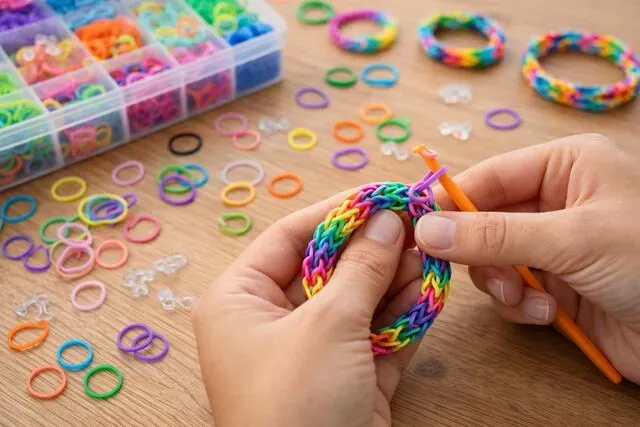
The single chain method is popular because it looks complex but follows a repeatable rhythm. Each rubber band links through the previous one, creating a straight chain that grows steadily in length. We often recommend this method for beginners learning how to make rubber wristbands at home because mistakes are easy to spot and fix early.
The key is maintaining consistent tension:
- Pull too hard and the chain curls.
- Pull too lightly and it gaps.
It doesn’t take a high level of skill, but patience helps. It does take time, especially for adult sized bracelets. Researchers note that silicone wristbands can be fabricated, cleaned, infused, and repurposed using laboratory-scale methods, but your creation method will be more intricate.
Once the length feels right, the final connection closes the loop cleanly. This method works well for solid colors or subtle patterns and serves as a foundation for more advanced bracelet designs later.
How Do You Make A Beaded Rubber Band Bracelet?
Adding beads changes the entire feel of a rubber bracelet. Weight increases, movement slows, and sizing becomes more important. You must choose beads that have holes large enough for the rubber to pass through without friction as forcing bands through tight beads weakens them quickly.
We usually thread beads between rubber loops rather than stacking them all at once. The benefits of this are that it:
- Keeps tension even
- Prevents sagging
Beaded designs feel more decorative and less sporty, which some people prefer. Wrist sizing needs adjustment since beads reduce stretch.
A bracelet that fits perfectly without beads may feel tight once beads are added. Taking a few test measurements during the build avoids discomfort. Beaded rubber bracelets work best when style is balanced with flexibility, not forced into place.
Enjoy full-color prints and bulk quantities
When you use our service to create custom printed wristbands, you get high-quality personalized prints and the option to order in bulk.
Learn moreHow To Tie Bracelets Using String Instead Of Rubber Bands
String bracelets serve a different purpose than rubber ones. They stretch less but hold shape longer. We often see string used when durability matters more than flexibility. Different materials behave differently, and your options include:
- Cotton: This feels soft but frays.
- Nylon: This material lasts longer but can feel stiff at first.
- Embroidery thread: A popular alternative that is very thin and subtle.
The tying process focuses on knots rather than loops, which changes the skill set required. Square knots and sliding knots are common and allow for adjustability. Studies show that some produce custom rubber wristbands using digital fabrication techniques, but the string option is definitely a DIY process.
String bracelets also suit layering since they sit flatter on the wrist. While they lack the bounce of rubber, they offer consistency and control. Choosing string over rubber usually comes down to comfort preference and how the bracelet will be worn day to day.
Want blank silicone wristbands in vibrant colors?
If a personalized design isn’t needed, you can order cheap custom blank wristbands that are durable and versatile.
Can I Design My Own Rubber Bracelet?
Designing your own rubber bracelet gives you freedom that premade styles cannot. It gives you the power to adjust things like color combinations, width, and texture. Durability depends heavily on technique, but DIY designs work well for things like:
- Personal use
- Gifts
- Small projects
We have seen creative designs fail simply because tension was uneven or closures were rushed. Professional manufacturing uses molded silicone, which produces stronger and more uniform results. DIY designs trade longevity for flexibility - that is not a flaw, just a reality.
For one off designs or casual wear, handmade works fine. When consistency or repeated use matters, professionally made bracelets outperform DIY versions. They also give you the opportunity to create things like custom sports wristbands and other varieties.
Knowing the difference helps people decide whether to create something themselves or look for a finished product that meets long term needs.
How Are Rubber Bracelets Made?
Rubber bracelets are made very differently depending on whether they are DIY or industrial. DIY bracelets offer customization but lack structural consistency. Molded silicone bracelets deliver strength and precision. Both approaches have value.
The production methods differ significantly:
- At home, bands are looped or tied manually using tension and repetition.
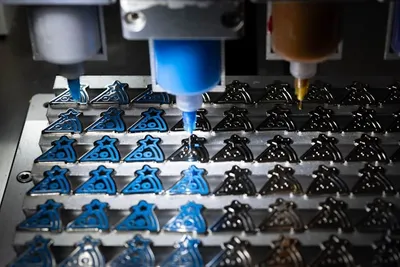
- In manufacturing, liquid silicone is poured into molds and cured under heat.
Professional manufacturing creates a single seamless band with uniform stretch. Designs are added through embossing, debossing, or printing before the material fully sets. These methods ensure text and graphics stay intact over time.
Research demonstrates how elastomer materials can be 3D printed and molded for strength and flexibility. Understanding the difference between DIY and industrial production explains why some bracelets stretch back perfectly while others slowly lose shape after repeated wear.
Choose a wristband design that really stands out
DIY wristband personalization can only go so far. With our service, you can create custom embossed wristbands and order wholesale with generous discounts.
Get startedWhat Types Of Rubber And Silicone Wristband Styles Exist?
Rubber and silicone wristbands come in several styles, each serving a different purpose. Thin bands stretch easily and feel lightweight but wear out faster. Let’s look at the differences between thick bands, debossed styles, embossed designs, and printed bands:
- Thicker bands hold shape and display designs better.
- Debossed styles press designs into the band, while embossed styles raise them above the surface.
- Printed bands allow color detail but may fade over time.
Durability varies by thickness and manufacturing method. Silicone generally lasts longer than natural rubber and resists cracking. Cost reflects this difference. Simple rubber bands are inexpensive and casual. Silicone wristbands cost more but deliver consistency and long term wear.
Studies reveal the practicality of silicone forms as they can be created using reusable molds, casting, curing, and sealing techniques. Choosing a style depends on how often the bracelet will be worn and what it needs to communicate visually.

How Can Pre-Made Silicone Wristbands Be Customized?
Pre-made silicone wristbands offer a shortcut for people who want quality without starting from scratch. Customization usually involves color selection, text placement, and finish type. While design freedom is more limited than DIY, results are cleaner and more durable.
We often see people choose pre made options when they need multiple identical wristbands. They are popular types of promotional products for business. There are a few key benefits:
- Cost efficiency improves with volume, and production quality stays consistent.
- Custom text or logos are molded or printed professionally, reducing wear issues.
Pre made customization works best when function and appearance matter more than personal crafting experience. It also removes guesswork around sizing and stretch, which DIY methods sometimes struggle to control. You can work with us to create custom figured wristbands and various other styles with professional craftsmanship and bulk options available.
Frequently Asked Questions About How To Make Rubber Wristbands
How To Make Rubber Wristbands Easily?
Use evenly sized rubber bands and a simple looping method like the single chain technique. Focus on steady tension and test fit as you go.
What Are Rubber Bracelets Made Of?
Most DIY bracelets use standard rubber bands, while professional versions are made from molded silicone designed for durability and stretch.