How To Make A Lanyard: With Easy Beginner Sewing Techniques
Lanyards look simple, but they can twist, scratch your neck, or break open because the clip was weak. Learning how to make a lanyard starts with the small details. This guide explains the full process, from choosing material to stitching and personalizing for this practical project.

Key Takeaways
- A good lanyard needs strong material, secure hardware, and a flat strap that does not twist around the neck.
- Sewing gives the strongest finish, but hand-stitching, fusible tape, and no-sew methods can work for light use.
- Custom lanyards are best when you need repeat quality for schools, events, teams, staff, or branded ID badges.
- Work with us to create custom lanyards in a range of materials and styles to get the look and performance you want without the DIY effort - with bulk options available.
How To Make A Lanyard
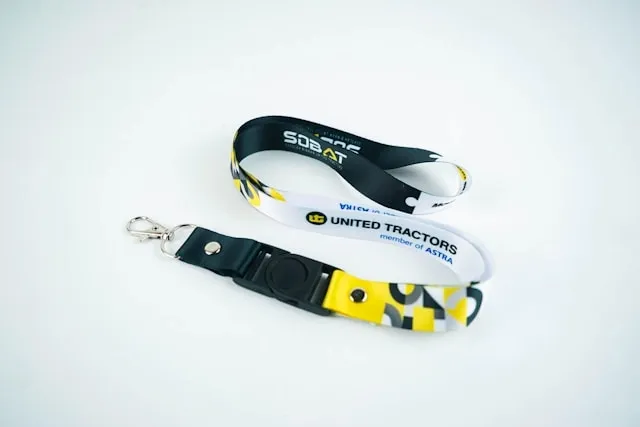
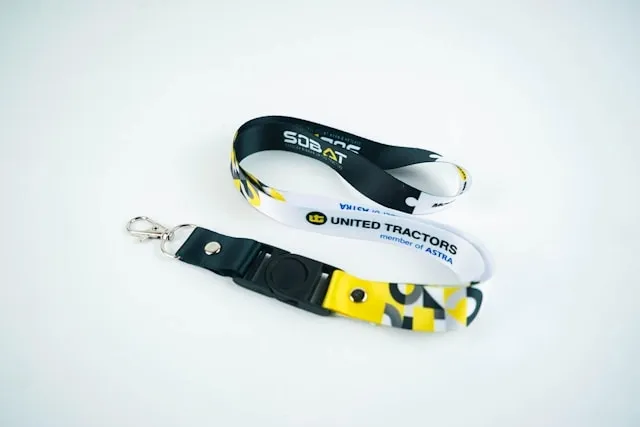
To make a lanyard, you must turn fabric, ribbon, webbing, or cord into a wearable strap with a clip at the end. The main parts are the strap, swivel hook or key ring, clasp, and optional safety breakaway.
Most fabric lanyards are:
- Folded
- Pressed
- Sewn flat
- Looped through the hardware
The two ends are then stitched together securely so the clip stays in place. Beginner mistakes are common - the strap gets twisted, the fabric is too thin, the clip is weak, or the sewing misses the folded edge.
Making a lanyard works best when we check each part before we sew the final seam.
Easy Step By Step Lanyard Making Instructions
Start by cutting a fabric strip about 36 to 40 inches long and 3 inches wide. This will be the foundation of your lanyard. From here:
- Fold the long edges toward the center and press.
- Fold again so the raw edges are hidden inside.
- Press the whole strip flat, then topstitch close to both long edges, keeping the seam straight.
- Slide on a swivel hook or key ring.
- Match the short ends with the strap untwisted. Overlap them, then sew several rows across the join.
- Pull firmly to test the seam. If it shifts, sew again.
Lanyard making is not hard, but the strap must stay flat before the final stitches go in. If you want guaranteed professional results, you can order custom full-color sublimation lanyards and other varieties from us instead.
Can You Make Your Own Lanyard?
You can make your own lanyard with basic supplies and a little patience. A sewn version needs simple machine stitching. A hand-sewn version takes longer but works if the fabric is not too thick.
Lanyard rope structures are fundamental to strength and appearance. No-sew versions are better for light use only, and they can use:
- Webbing
- Fabric glue
- Rivets
- Fusible tape
Homemade lanyards are useful for ID badges, event passes, keys, whistles, USB drives, and small tools. There is also a quiet satisfaction in making something you will actually use - it beats buying a plain one that feels scratchy, too short, or oddly flimsy.
What Are The Key Steps For Making Custom Lanyards?
The key steps are simple: choose the material, measure the strap, cut it cleanly, fold or prepare the edges, attach the hardware, then finish the seam. If you are new, read the full step-by-step process before jumping to decoration.
Careful progression helps avoid twisted straps and weak ends. Once the base is clear, you can move to clips, safety clasps, colors, and printed designs. Users who need fast answers can focus on supplies, fabric size, sewing, and hardware.
For events or business use, custom lanyards may be a better route because the print, color, clip, and length can match across every piece. You can add extras like badge reels, but make sure you are prepared for how to fix jammed badge reel issues.
What Is The Best Material For Making Lanyards?
The best material depends on how the lanyard will be used. Options like cotton, polyester, nylon, and ribbon all have slightly different strengths and weaknesses.
- Cotton fabric feels soft and gives many pattern choices.
- Polyester webbing is strong, smooth, and good for daily ID use.
- Nylon is durable but can feel slick.
- Ribbon is pretty, though it may need backing so it does not twist.
- Cotton tape is easy to sew and comfortable.
- Paracord works for chunky key lanyards, not flat neck straps.
Choose high-quality lanyard fabric, clips, and breakaway clasps if the lanyard will be worn often. Better supplies make safer, longer-lasting handmade lanyards.
Work with us to create custom tubular lanyards and many other varieties from a range of materials to get professional, durable results without the DIY effort. Our products are versatile and competitively priced, with generous bulk discounts available.
| Material | Best for | Pros | Watch out for |
|---|---|---|---|
| Cotton fabric | Handmade gifts, soft designs | Comfortable, easy to sew | May need interfacing for strength |
| Polyester webbing | Daily ID use | Durable, smooth, consistent | Less handmade-looking |
| Nylon | Heavy-duty use | Strong, durable | Can feel slick |
| Ribbon over webbing | Decorative lanyards | Stylish and stronger than ribbon alone | Needs careful stitching |
| Paracord | Key lanyards | Strong and chunky | Not ideal for flat neck straps |
What Supplies Do You Need To Make A Lanyard?
You need fabric strips, ribbon, webbing, or cord for the strap. These are the basic materials that the strap is commonly made from, but there are various other things you need.
The other things might include:
- Swivel hook
- Lobster clasp
- Badge clip or key ring
- Thread to secure sewn lanyards
- A breakaway clasp to add safety, especially for school or work lanyards
- Pins or clips to hold the folds while sewing
Other optional details include labels, beads, charms, embroidery, heat-transfer names, or printed designs. For anyone starting entirely from scratch, you may even need to learn about twisting vs braiding to create your own cord.
Prepare everything before starting. It saves stopping halfway with fabric folded under the machine while you hunt for a clip - we have done that. It turns a simple project into a small table-sized mess.
Interested in a high-quality personalized lanyard?
Work with us to create custom polyester lanyards with printed designs to enjoy a reliable product for branding or personal expression.
How Much Fabric Do I Need To Make A Lanyard?
For an adult fabric lanyard, cut a strip about 36 to 40 inches long. For children, make the strap shorter and add a safety breakaway.The width depends on the finished strap:
- A 3-inch-wide strip usually folds down to about 3/4 inch.
- A 4-inch strip can finish closer to 1 inch.
Folding and pressing reduce the visible width, so plan before cutting. For wider statement lanyards, use stronger fabric so the strap does not collapse.
Cut slightly more length than you think you need - you can always trim extra fabric but you cannot easily add length without making the join look awkward. Once complete, your lanyard should be ready to hold your custom staff ID card or other item.
Which Tools Help You Make A Neat Lanyard?
Helpful tools include sharp scissors, a rotary cutter, ruler, iron, pins, clips, and a sewing machine. Scissors work fine, but a rotary cutter gives straighter strips if you have one.
A ruler keeps the strap width even. The iron is more important than beginners expect because pressed folds sew better. Clips are useful for thick webbing or ribbon that pins may mark. A sewing machine makes the project faster, though hand sewing can work.
Use cutting tools carefully and keep fingers away from the rotary blade. With hot irons, press on a safe surface and do not rush. Neat tools make neat work easier.

What Is The Best Way To Sew A Lanyard?
The best way to sew a lanyard is to press the strap first, then topstitch along both long edges. Use a straight stitch around 2.5 to 3 mm. Keep the seam close to the edge, but not so close that it slips off the fold.
When adding hardware, fold the strap through the clip and sew several lines across the end. Add strength with:
- A box stitch
- Rows of backstitching
Trim loose threads as you go. Puckering often comes from pulling the fabric while sewing. Let the machine feed it - guide the strap, do not drag it through. Neat sewing is a key part of achieving fun name tag ideas that look great when worn.
How Can You Add A Safety Breakaway Clasp To A Lanyard?
A safety breakaway clasp lets the lanyard pop open if it gets pulled. That is important in schools, workplaces, events, warehouses, and anywhere the strap could catch.
The clasp usually sits at the back of the neck, where it is easy to reach but not visible from the front. To attach it, slide or sew each strap end into the clasp pieces according to the hardware style.
Avoid weakening the strap by cutting too much away. Test the breakaway before wearing it - it should release under pressure, but not fall apart during normal use. Safety hardware is small, but it matters.
Choose a lanyard that is built to last
Our custom woven lanyards are low-cost and highly customizable, with designs that will stand the test of time.
Learn moreCan You Make A Lanyard By Hand At Home?
You can make a lanyard by hand at home, even without advanced sewing skills. Use cotton tape, ribbon backed with webbing, or ready-made flat webbing to avoid tricky folding. Hand-sew the ends with strong thread and small, tight stitches.
Fabric glue or fusible tape can hold layers flat, but do not rely on glue alone for heavy keys. Reinforce the hardware end with extra stitching or a rivet if you have one. Remember that the best lanyard materials are highly designable and scalable.
No-sew versions are fine for name tags or light badges. For daily wear, we would still add stitches - the clip end takes the most strain.
Looking for a stronger lanyard that won’t break?
Use our service to create custom cord lanyards for a different look and feel and extra strength for holding heavier items.
Simple Lanyard Projects For Beginners To Try
Beginners should start with a straight fabric strap and one simple clip. Skip beads, fringe, printed vinyl, and layered trims on the first try. Instead, practice measuring, folding, pressing, and sewing straight lines.
- A cotton fabric lanyard is a good first project because the material behaves well under an iron.
- A ribbon-over-webbing lanyard is another easy option because the webbing gives strength and the ribbon gives style.
Focus on function before decoration. Does it sit comfortably? Is the clip secure? Is the strap flat? Once you can answer yes to those questions, making lanyards with patterns and colors becomes much more enjoyable, and they will easily hold custom soft plastic holders for badges.
What Are The Easiest Lanyard Instructions For Beginners?
The easiest lanyard instructions are the ones that remove confusion. They should be straightforward and clear, like this:
- Cut one long strip.
- Fold both long edges toward the center, then fold again.
- Press thoroughly.
- Sew both long sides.
- Add the clip.
- Check for twists then sew the ends.
It’s as simple as that. Photos or diagrams help because strap orientation can feel odd the first time. Before the final seam, hold the lanyard up like you would wear it. If it twists, fix it now - do not hope it will straighten later.
A seam ripper can rescue mistakes, but it is better to pause for ten seconds before sewing. Of course, it is more complex if you want to start completely from scratch - braiding is a structured textile skill that can construct your cord if you know how.
How Do You Design A Good Lanyard?
A good lanyard balances comfort, appearance, and use. Width is important - a very narrow strap can dig into the neck. A very wide one may feel bulky. Neck comfort is also a key consideration when exploring how to make badge holders.
Color should suit the purpose:
- School lanyards may use house colors.
- Event lanyards may need bold branding.
- Work lanyards should look clean and be easy to read with an ID badge.
Clip style is another key consideration. A swivel hook suits keys, while a badge reel suits ID cards. Print placement is important if there are names, logos, or patterns.
A clean design can make handmade lanyards look professional instead of busy.
How Do You Personalize A Lanyard For Everyday Use?
Personalize a lanyard by matching it to how it will be worn. A teacher may want bright fabric and a breakaway clasp. A nurse may prefer washable webbing and a badge reel. A student may like charms, school colors, or a favorite print.
Keep decorations light so the lanyard stays comfortable. Heavy beads and bulky bows can pull on the neck. To ensure a clean look, aim to coordinate your:
- Clip
- Badge holder
- Fabric color
Add initials, embroidery, woven labels, or a small charm near the clip, being mindful of the intricacies of DIY textile customization. We like personal details that do not get in the way of daily use.
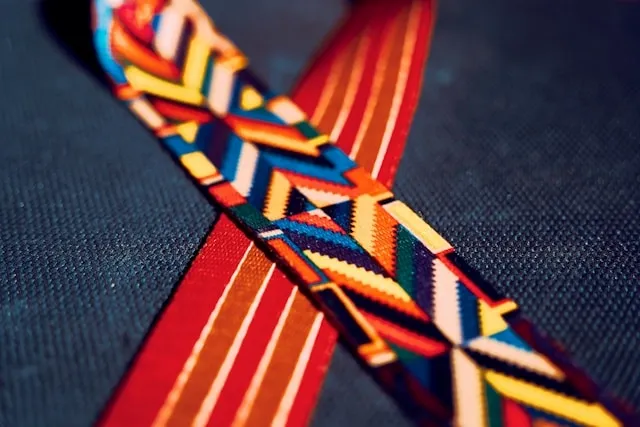
How Do You Choose Custom Colors For A Lanyard?
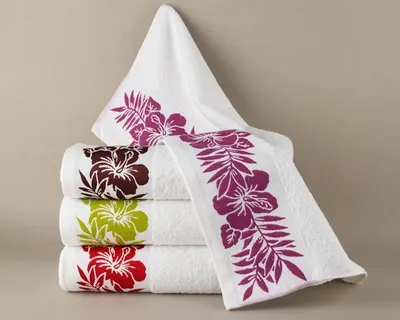
Choose custom colors by thinking about contrast, use, and mood. Floral fabric feels friendly, while black webbing with white print looks sharp. School colors make group lanyards easy to identify.
Business branding usually works best with a simple base color and clear logo placement. Thread can match for a clean finish or contrast for a more designed look. Hardware also changes the style - silver feels standard, black feels modern, and brass can look warmer.
Customization makes handmade lanyards feel personal, but it can also make branded lanyards feel organized. We would choose two main colors first, then add one small accent. Alternatively, go for a striking look with custom glitter lanyards or neon colors.
Frequently Asked Questions About How To Make A Lanyard
How Do You Make A Simple Lanyard?
Cut a long fabric strip, fold and press the raw edges inside, sew both long sides, add a clip, check for twists, then stitch the ends securely.
What Material Is Best For Making A Lanyard?
Polyester webbing is best for durability. Cotton fabric is best for soft handmade designs. For daily use, choose strong fabric, sturdy clips, and a safety breakaway clasp.