Can You Freeze Chocolate: A Simple Freezer Storage Guide
Chocolate can be frozen when heat, humidity, or long storage makes a pantry impractical. Keep it dry, seal it against air and odors, and thaw it gradually. This guide explains how to protect bars, pieces, and filled chocolate.

Key Takeaways
- Freezing suits long storage or a hot home.
- Airtight wrapping blocks moisture and odors.
- Gradual thawing limits condensation and bloom.
- Plain chocolate freezes better than moist fillings.
- Follow the product label.
Table of contents
-
Can You Freeze Chocolate?
-
What Happens When You Put Chocolate In The Freezer?
-
Is Chocolate Better In The Fridge Or Freezer?
-
How Should You Prepare Chocolate For Freezing?
-
How Should You Thaw Frozen Chocolate?
-
Can You Freeze Different Types Of Chocolate The Same Way?
-
What Can You Do With Frozen Chocolate?
Can You Freeze Chocolate?
Yes, chocolate can be frozen. It is useful for several months of storage or when no cool, dry cupboard is available. Wrap it airtight, freeze it at 0°F or below, and thaw it gradually while sealed. If you wonder, "Can chocolate be frozen without wasting an expensive bar?" Remember, handling matters is the most important thing. Stable temperatures, dry packaging, and slow thawing protect quality. The United States Department of Agriculture recommends 0°F for the best quality of frozen food. Freezing is optional.
Hershey recommends keeping solid chocolate well wrapped in a cool, dry place from 55 to 60°F. A cupboard suits chocolate you will not eat soon. A freezer suits long storage in a hot home.
Can You Freeze Chocolate Without Ruining It?
For readers asking, "Can I freeze chocolate?" Yes, they can, and they can do so without damaging it by following the steps below:
- Start with chocolate that is dry and in good condition.
- Divide it into portions so you only thaw what you need.
- Wrap every portion closely and place it in an airtight container.
- Keep it away from fish, onions, spices, and other strong odors.
- Maintain a stable freezer temperature.
- Thaw it gradually and keep the package closed until it warms.
These steps limit common quality problems. The more detailed preparation and thawing instructions would come in the following paragraphs.
Make a strong impression with custom chocolates
Add your branding to custom chocolates for a memorable gift or promotional giveaway.
What Happens When You Put Chocolate In The Freezer?
When you put chocolate in the freezer, it becomes very hard as cocoa butter firms. Because plain chocolate contains little water, it does not freeze like soup, fruit, or ice cream. It mainly becomes colder and more brittle. Properly frozen chocolate should look much like it did before storage. While cold, it may snap sharply, feel weaker, and feel waxy. Those effects usually fade at room temperature.
Poorly stored chocolate can look streaked or pale and smell like nearby food when an unwrapped cold bar meets warm air. Condensation can dissolve surface sugar. The sugar then recrystallizes as a rough, pale coating called a sugar bloom. Temperature swings can also disturb cocoa butter crystals and cause fat blooming. Freezing does not automatically make chocolate unusable. Moisture, odors, and changing temperatures cause the most noticeable damage.
Does Chocolate Actually Freeze Solid?
When people ask, "Does chocolate freeze?" they often expect to see visible ice. Chocolate has little water. At freezer temperature, its cocoa butter is solid, so the bar becomes extremely firm without obvious ice crystals. The simple answer to "Can chocolate freeze?" is yes in everyday times. Most of the change involves fat becoming firm, not large amounts of water freezing. Cream or fruit fillings may form ice crystals because they contain more water.
Its low water content explains why frozen chocolate behaves differently from an ice cube.
Does Freezing Chocolate Change The Flavor Or Texture?
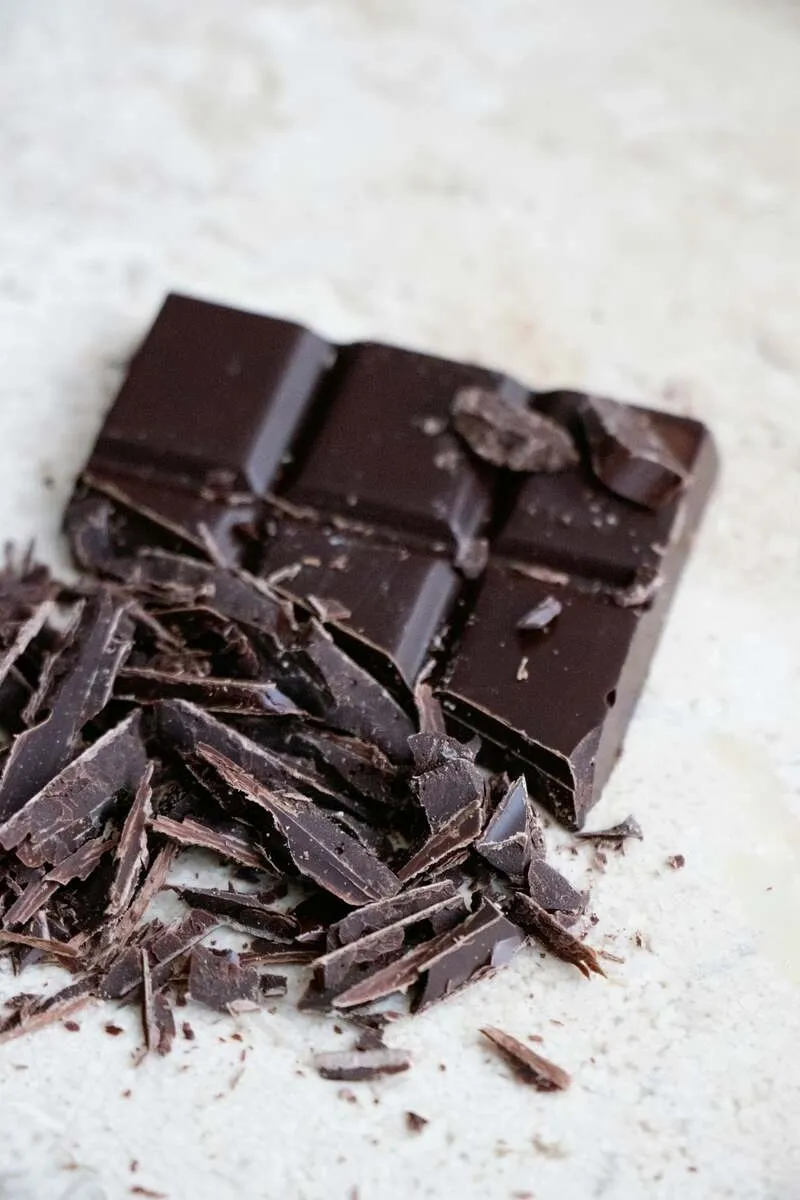
Cold chocolate releases fewer aromas and melts slowly in the mouth, so it can taste dull and feel waxy. Gradual warming usually restores a familiar experience. Open packages can absorb freezer odors. Condensation may cause sugar bloom, while unstable temperatures may cause fat bloom. Moisture can make sugar crystallize on the surface, while heat can make cocoa butter separate.
Bloom does not automatically mean spoilage. Hershey states that bloomed chocolate is safe, although its quality may change. Discard chocolate with mold, rancid smell, pest damage, or spoiled filling.
Is Chocolate Better In The Fridge Or Freezer?
Neither cold option can be called the best. The right choice depends on storage time, room conditions, packaging, and the product.
| Place of storage | Suitable situation | Main advantage | Main disadvantage | Expected quality |
|---|---|---|---|---|
| Cool room. | Eating soon in a cool and dry home | Best natural texture and aroma | Heat and humidity can cause damage. | Excellent when conditions are stable. |
| Fridge. | Short storage in a hot or humid home | Protects against household heat. | Condensation and odors remain the main risks. | Good with airtight wrapping |
| Freezer. | Suitable for long storage or when storing a large supply | Loses quality slowly over longer periods | Thawing requires patience. | Good when wrapped and thawed correctly |
Use a cupboard when the room stays cool, and you will eat the chocolate within its labeled period. Use the fridge for shorter protection from severe heat, and use the freezer for several months of storage or when seasonal heat makes other locations unreliable. For a wide explanation of dates and storage conditions, read this guide to chocolate shelf life.
When Should You Consider Freezing Chocolate?
Freezing is worth the effort when one or more of these conditions apply.
- You bought a large quantity that cannot be used soon.
- You want to preserve seasonal or limited-edition chocolate.
- Your home becomes hot or humid for extended periods.
- You need to keep baking chocolate for future projects.
- The unopened product is approaching its best quality date.
- You can package portions properly and allow time for gradual thawing.
Choose cool room storage when you eat the chocolate soon and have a dark, dry cupboard. It avoids thawing and usually gives the best immediate quality.
If freezing chocolate is your concern, check the ingredients. Plain pieces are straightforward. Cream, fruit, or caramel fillings may have shorter lives and change more during freezing. Follow specific manufacturer instructions.
How Long Will Chocolate Last In A Freezer?
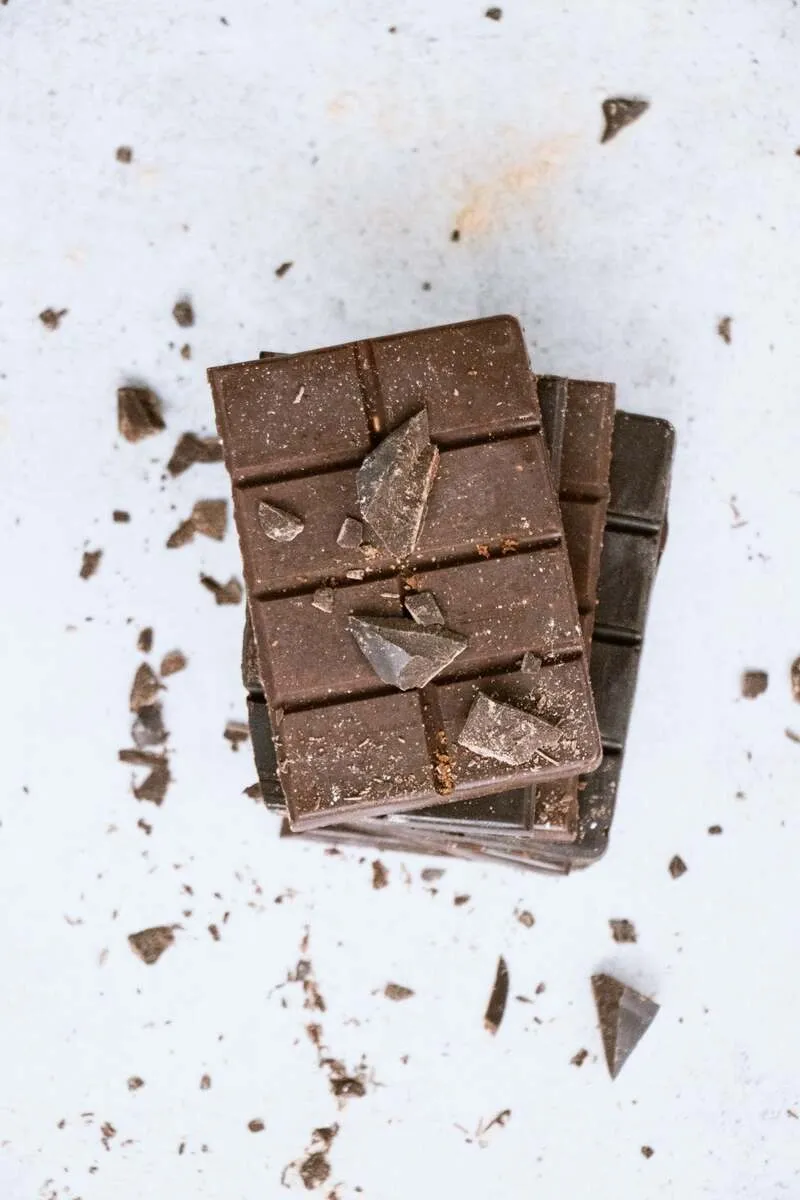
A cautious quality target is one year for well-wrapped plain chocolate. Dark chocolate often keeps its taste better than milk or white chocolate. This is a quality estimate, not a universal safety deadline.
| Chocolate type | Practical best quality target | Main concern |
|---|---|---|
| Plain dark chocolate | Up to 12 months | Aroma loss or bloom |
| Plain milk or white chocolate | 6 to 12 months | Flavor change from milk ingredients |
| Chocolate with nuts | About 6 months | Nuts can become rancid. |
| Chocolate with caramel or fruit | 3 to 6 months | Filling texture and moisture |
| Chocolate with fresh cream filling | Follow the maker's label. | Perishable filling and texture |
FoodSafety.gov notes that freezer storage times are quality guidelines, and food held continuously at 0°F or below can remain safe indefinitely. This does not override directions for filled confections. Cream, fruit, and homemade fillings need more caution. Discard chocolate with mold, pests, a rancid or sour odor, leaking filling, or damaged packaging. A pale, bloomed surface alone usually signals a quality issue.
Need custom chocolates for your next giveaway?
Choose individually wrapped chocolates that are easy to share at events, meetings, or celebrations.
Explore individually wrapped chocolates hereHow Should You Prepare Chocolate For Freezing?
Use this process when the chocolate is in front of you and ready to store.
- Check the label for manufacturer directions and inspect the chocolate for spoilage.
- Make sure the chocolate and your hands are completely dry.
- Divide a large bar or batch into portions you can use at one time.
- Keep individual pieces separate with suitable food-safe wrapping if needed.
- Wrap each portion closely so little air remains around it.
- Place the wrapped portions in a freezer bag or airtight container.
- Press excess air from a suitable bag without crushing the chocolate.
- Label the package with the chocolate type and freezing date.
- Place it away from strong-smelling food and areas with frequent temperature changes.
- Freeze it once and avoid repeated thawing and refreezing.
Portioning prevents unnecessary thawing. Dry surfaces and airtight packaging reduce condensation and odor transfer. A date label helps you use chocolate within its best quality period.
How Should You Wrap Chocolate Before Freezing It?
For a bar, press a food-safe moisture barrier against the chocolate, then use a freezer bag or airtight container. Keep an unopened wrapper in place and add an airtight outer layer for long storage.
Wrap individual chocolates in portions before placing them in a sealed container. Put chips in a freezer bag with excess air removed. Parchment can separate pieces but is not an airtight barrier. Loose foil or a partly open box lets humid air and odors enter. Anyone asking “can chocolates be frozen” should remember that packaging is part of preservation.
How Can You Protect Chocolate From Moisture And Freezer Odors?
Store chocolate away from fish, garlic, onions, spices, and open containers. Use a clean freezer, an odor-resistant bag, and an airtight outer container. Do not rely on a decorative box. Condensation forms when cold chocolate meets warm humid air. Keep the package closed during temperature changes. Use dry hands and never store a damp bar. Choose a stable place away from the freezer door.
Prevention matters because absorbed odors are difficult to remove. Sugar bloom will not regain its original finish without melting and tempering.
Customize chocolates with your own design
Create a personalized chocolate gift with a custom box and molded chocolate.
How Should You Thaw Frozen Chocolate?
Follow a gradual process to limit condensation and temperature shock
- Remove only the portion you plan to use.
- Keep it fully wrapped and place it in the refrigerator.
- Leave it there for several hours or overnight.
- Move the still-sealed package to a cool room.
- Wait until the chocolate reaches room temperature.
- Check that the outside of the package is no longer cold or wet.
- Open it, inspect it, and use or eat it.
Do not immediately unwrap frozen chocolate in a warm kitchen. Moist room air can condense directly on the surface and cause sugar bloom. Guittard advises keeping frozen chocolate well wrapped until it reaches room temperature to help reduce condensation.
Thin pieces warm faster than thick bars. For eating, wait for the aroma and melting texture to return. For baking, use it once dry and easy to chop unless the recipe specifies otherwise.
Can You Freeze Different Types Of Chocolate The Same Way?
The method is similar, but ingredients affect results in the following ways;
| Chocolate type | Freezing suitability | Main concern | Handling tip |
|---|---|---|---|
| Dark chocolate | Very good | Bloom and odor absorption | Wrap airtight and thaw slowly. |
| Milk chocolate | Good | Milk flavor and odor absorption | Use within a shorter quality window. |
| White chocolate | Good | Delicate flavor and softening | Protect carefully from odors and heat. |
| Filled chocolate | Variable | Moisture and filling stability | Follow the maker's label first |
| Chocolate with nuts | Good for shorter storage | Nut rancidity | Freeze fresh and use sooner. |
| Handmade specialty chocolate | Variable | Unknown filling life | Ask the chocolatier for guidance |
Plain dark, milk, and white chocolate generally suit the same method. Cream, fruit, liqueur, caramel, wafers, or nuts need more caution. Fillings may become watery, grainy, chewy, or separated.
Read the ingredients, check the label, and identify moist or perishable fillings. Use a conservative period when directions are unavailable. If you wonder if you can freeze chocolate, plain solid bars are the simplest candidates.
Looking for custom chocolates for a larger giveaway?
Personalized chocolate packs give you a compact option for sharing your branding at events.
Get started with personalized chocolate packs hereWhat Can You Do With Frozen Chocolate?
- Eat it after gradual thawing for the closest flavor and texture to fresh chocolate.
- Chop thawed chocolate for cookies, brownies, cakes, or bread.
- Melt dry, thawed chocolate for ganache, sauces, dipping, or decorations.
- Grate a cold, firm bar over ice cream, yogurt, fruit, or hot drinks.
- Blend cold pieces into milkshakes or frozen desserts.
- Add cold chips directly to dough when a recipe permits.
- Use bloomed but otherwise sound chocolate in baking where appearance matters less.
- Portion small cold pieces as treats if you enjoy a firm texture.
Fully thaw chocolate before tempering, dipping, or coating. Water droplets can make melted chocolate seize. Cold chocolate works for chopping, grating, chilled desserts, and many baked recipes. Plan one use for each labeled portion so its flavor does not fade in storage.
Frequently Asked Questions About Can You Freeze Chocolate
How Long Can You Keep Chocolate In The Freezer?
Well-wrapped plain chocolate can be kept for about one year at best quality. Milk and white chocolate may be better within 6 to 12 months. Nuts, fruit, caramel, or cream may require shorter storage. Check the labels to be sure. Quality can still decline at 0°F. Date packages, use older portions first, and discard chocolate with mold, a rancid odor, or spoiled filling.
Can You Freeze Chocolate Without Changing Its Taste?
Yes. Freeze fresh chocolate in airtight, odor-resistant packaging and thaw it while sealed. This limits freezer smells, stale air, condensation, and rapid temperature changes. Readers asking if they can freeze chocolate without any difference should expect temporary effects. Cold chocolate releases less aroma and feels harder until it warms. Poor packaging can cause lasting changes. Freezing cannot restore stale or contaminated chocolate.