How To Stop Ribbon From Fraying: Easy Methods That Work
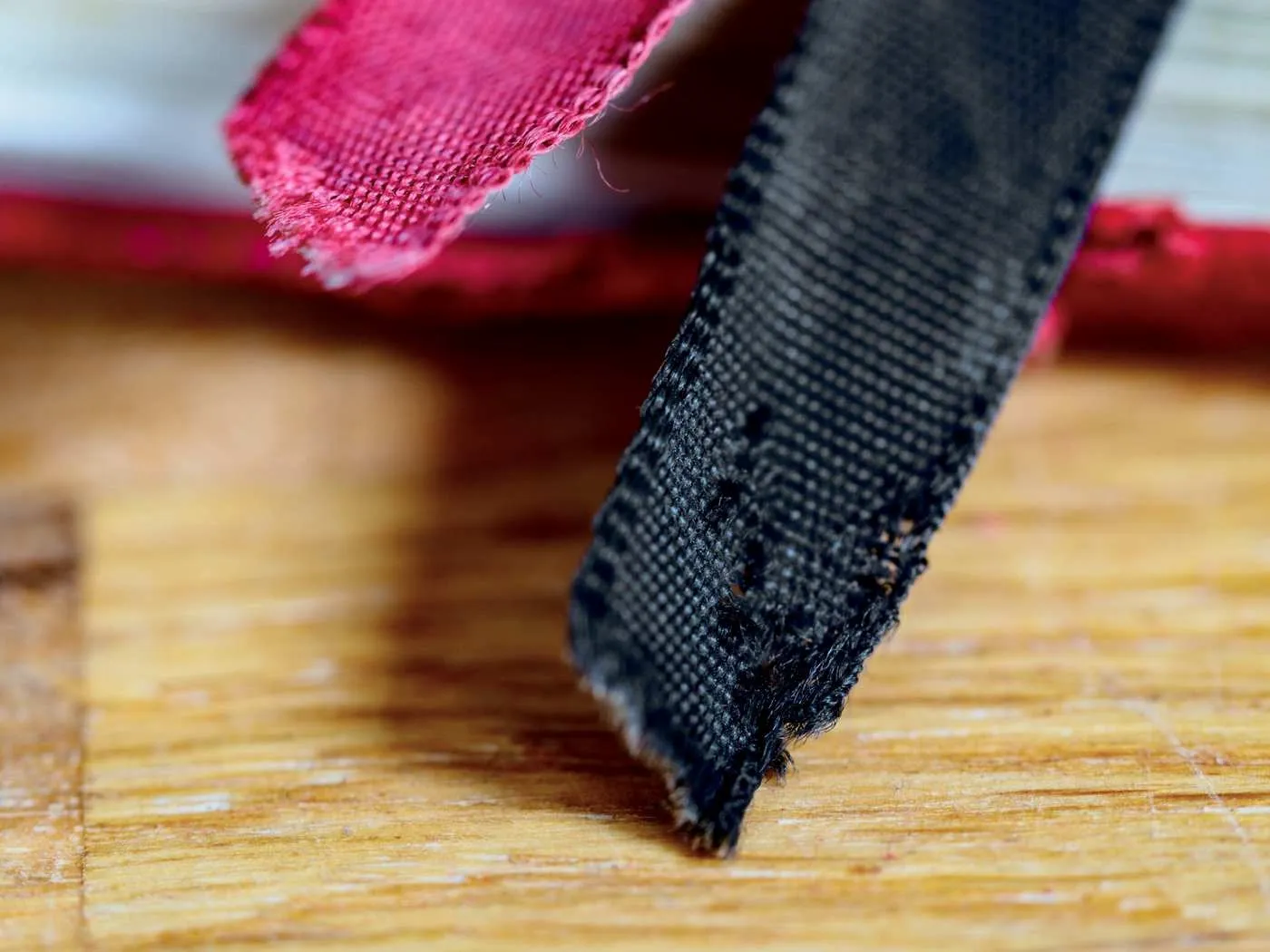
Ribbon fraying can ruin an otherwise beautiful bow decoration or craft project. Fortunately, you can prevent loose threads using simple techniques. In this guide, we explain how to stop ribbon from fraying, choose suitable sealing methods, and protect different ribbon materials without damaging the appearance.

Key Takeaways
- Heat sealing works best on suitable synthetic ribbons, including many polyester and nylon varieties.
- Fabric fray sealants and appropriate adhesives offer alternatives for ribbons that cannot safely be melted.
- Pinking shears can reduce unraveling but do not permanently seal most ribbon edges.
- Ribbon fiber composition matters more than its texture, shine, or appearance.
- Testing a small scrap helps prevent staining, scorching, melting, and unwanted stiffness.
How To Stop Ribbon From Fraying
To learn how to stop ribbon from fraying, start by identifying its fiber content. Many synthetic ribbons can be heat sealed. While fabric glue, sealant, or a small amount of suitable adhesive works for other materials, pinking shears can reduce unraveling on some woven ribbons, although they do not create a permanent seal.
You do not need expensive tools to protect ribbon ends. A sharp pair of scissors, a suitable fabric adhesive, or a dedicated edge sealant may be enough. The best approach depends on whether the ribbon contains thermosynthetic fibers or natural materials that can scorch.
How Do You Stop Ribbon From Fraying Without Damaging It?
Preventing damage begins with selecting a technique appropriate for the material.
- Identify the fiber: Check packaging or product specifications to determine whether the ribbon contains polyester, nylon, cotton, silk, or another material.
- Cut a small sample: Use sharp scissors to create a clean edge on an unused piece.
- Choose the sealing technique. Consider controlled heat for confirmed meltable synthetics and liquid sealant for heat sensitive materials.
- Test for damage. Watch for discoloration, curling, stiffness, residue, or scorching.
- Finish the ribbon. Apply the successful method to the final cut and allow sufficient cooling or drying time.
Decorative ribbons with metallic threads, coatings, printing, or multiple fiber types require particular care. When preparing custom ribbons for branded packaging or events, we recommend testing the finishing method before working on the complete batch.
How Do You Choose The Safest Method For Your Ribbon?
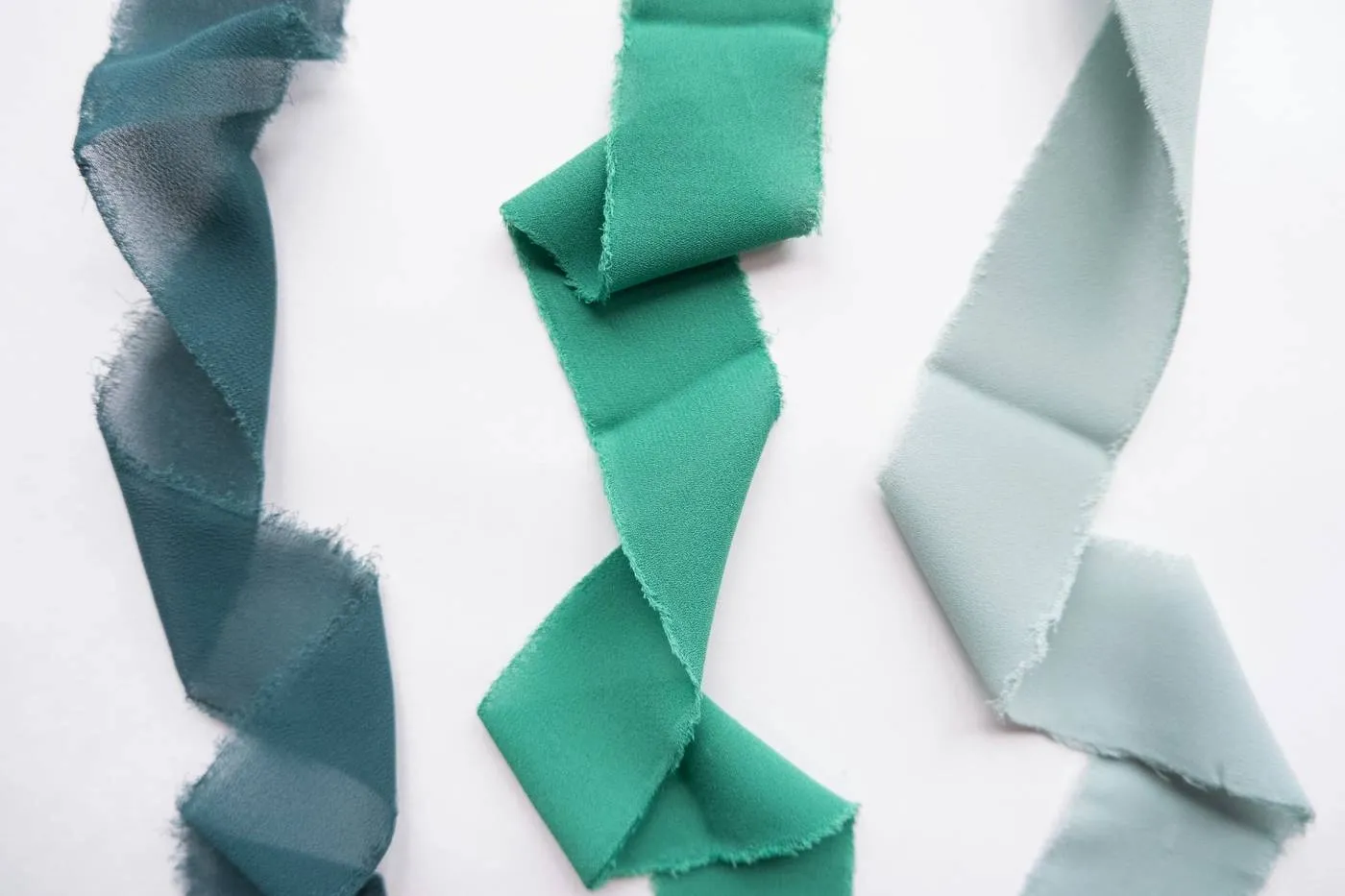
The material determines whether heat, liquid sealant, or careful cutting is appropriate.
| Ribbon type | Suitable method | Method to avoid |
|---|---|---|
| Polyester | Controlled heat sealing | Prolonged flame exposure |
| Polyester satin | Gentle heat or fabric sealant | Excessive heat |
| Grosgrain | Depends on fiber content | Assuming all grosgrain melts |
| Synthetic organza | Carefully tested heat or sealant | Direct prolonged flame |
| Cotton | Fabric fray sealant | Flame sealing |
| Silk | Compatible fabric sealant | Direct flame |
| Nylon | Controlled heat sealing | Excessive heat |
| Mesh | Material appropriate sealant | Unverified heat treatment |
Satin and grosgrain describe fabric structures rather than specific fibers. Consequently, two visually similar ribbons may respond differently to heat. The University of Georgia textile resources provide useful background on textile fibers and their properties. Check manufacturer information whenever possible, particularly when using delicate or expensive materials.
Make a strong impression with custom ribbons
Work with us to create high-quality custom ribbons featuring your unique branding, logos, and designs. Add a polished, professional touch to gift packaging, event decorations, and promotional products that your customers will love.
Can You Seal Ribbon Ends With A Lighter?
Yes, a lighter can seal the ends of certain synthetic ribbons. Polyester and nylon fibers soften when exposed to sufficient heat, allowing their cut ends to fuse. However, this method requires caution because excessive heat can cause burns, deformation, or ignition.
Follow these steps only when the manufacturer confirms that the ribbon is suitable for heat sealing.
- Cut the ribbon using sharp scissors to create an even edge.
- Clear the work area of paper, adhesives, decorations, and other flammable materials.
- Hold the ribbon securely with a suitable heat resistant tool.
- Keep the edge near the flame briefly without allowing the fabric to ignite.
- Remove the heat immediately when the fibers begin to fuse.
- Allow the edge to cool completely before touching or shaping it.
What Types Of Ribbon Can Be Heat Sealed Safely?
Many polyester and nylon ribbons can be heat sealed, provided their construction and finishes are suitable.
| Material | Heat sealing suitability |
|---|---|
| Polyester satin | Often suitable after testing |
| Polyester grosgrain | Often suitable after testing |
| Nylon ribbon | Often suitable after testing |
| Synthetic organza | Possible but easily damaged |
| Cotton ribbon | Not suitable for melting |
| Pure silk ribbon | Not suitable for melting |
| Mixed fiber ribbon | Depends on composition |
The University of Georgia fiber care guide explains that polyester and nylon melt under excessive heat, while cotton can scorch instead. Remember that satin describes a weave, not a fiber. Never assume every satin ribbon can be sealed with flame.
How Can You Seal Ribbon Ends Without A Lighter?
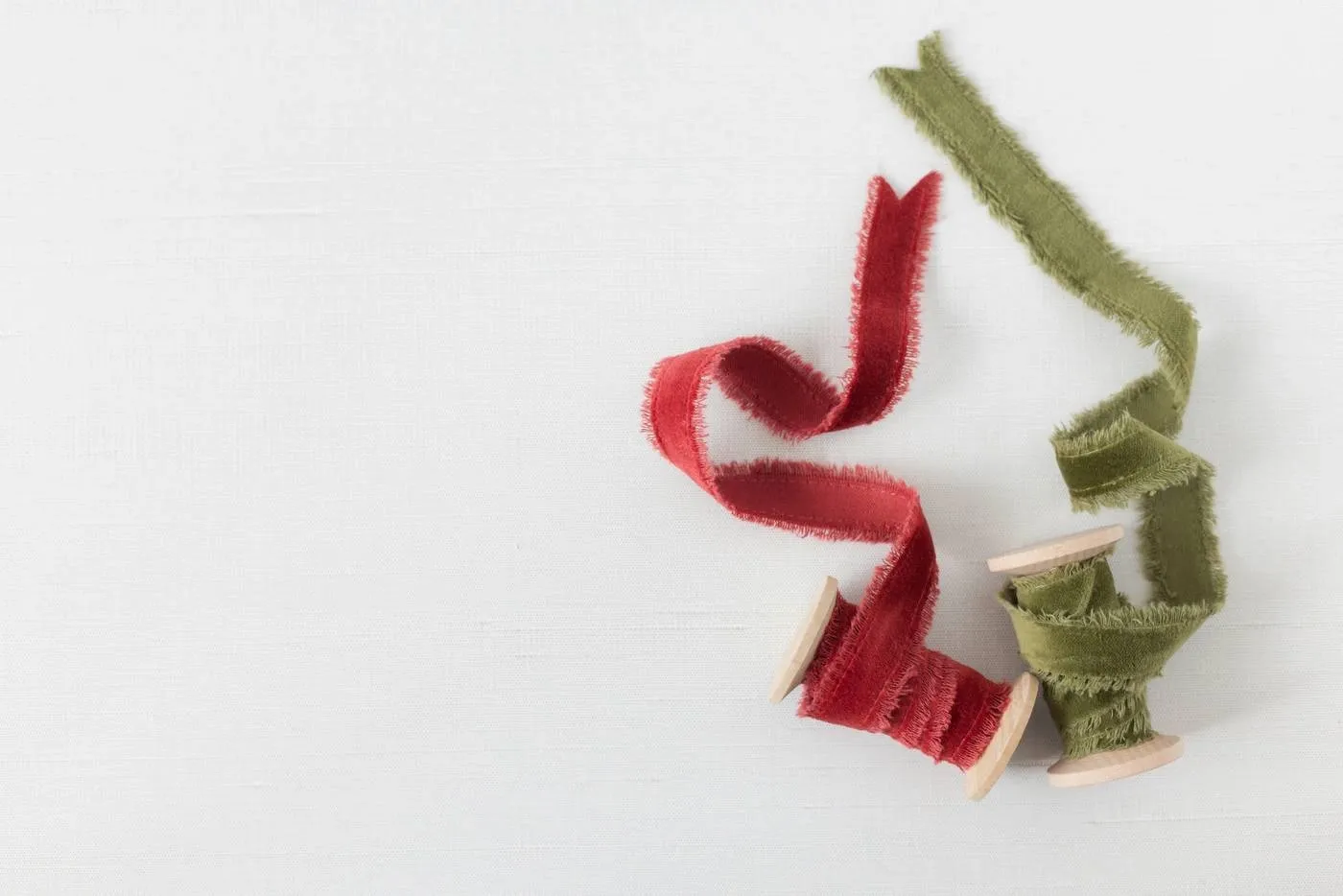
You can keep ribbon from fraying without using an open flame. Several methods are particularly useful for delicate fabrics, family craft activities, and projects requiring careful finishing.
- Fabric fray sealant: Apply a thin line to the cut edge to bind loose threads. This is often the most practical option.
- Fabric adhesive: Choose a clear drying adhesive specifically approved for the ribbon material.
- Clear nail polish: Use sparingly as a temporary craft solution after testing for staining and stiffness.
- Pinking shears: Cut a zigzag edge to reduce unraveling on suitable woven ribbons.
- Folded edges: Turn the cut end underneath and secure it with suitable fabric adhesive for a concealed finish.
These alternatives are useful when learning how to prevent ribbon from fraying without exposing fabric to heat. Liquid products require drying time. Follow the manufacturer's instructions before handling, packaging, or washing treated ribbon.
What Can You Put On Ribbon To Keep It From Fraying?
A dedicated fabric fray sealant is one of the simplest choices. First, place the ribbon on a protected, flat surface. Cut away loose threads without pulling the weave apart. Next, use a fine applicator or toothpick to distribute a small amount of compatible sealant along the cut edge. Avoid saturating the material. Excessive liquid can spread beyond the edge and leave a visible mark. Allow the sealant to dry completely before checking the result. If necessary, apply a second light treatment according to the product instructions.
The Fray Check product instructions recommend testing fabric first and applying a very small amount. The product is also flammable, so keep it away from ignition sources. For decorative ribbon, we favor discreet finishing that preserves the intended appearance.
Need custom ribbons for your next promotional giveaway or creative project?
We can bring your designs to life on custom grosgrain ribbons for branded packaging, personal expression, event decorations, and promotional giveaways. Explore our customization options to create attractive ribbons that complement your project.
Explore options for custom grosgrain ribbons hereHow Do You Stop Mesh Ribbon From Fraying?
Mesh ribbon can unravel quickly because its open construction provides fewer neighboring threads to hold a freshly cut edge together.
The most appropriate treatment depends on whether the mesh contains polyester, nylon, natural fibers, or a combination. For synthetic mesh, a compatible heat cutting tool may fuse the fibers during cutting. This can produce a more controlled result than attempting to seal an irregular edge afterward. For heat sensitive mesh, use a suitable liquid fabric sealant.
Follow this process.
- Lay the mesh flat without stretching its openings.
- Cut across the material using sharp scissors.
- Avoid pulling individual strands from the fresh edge.
- Test the chosen sealant on a leftover piece.
- Apply a minimal amount along the cut edge.
- Allow complete drying before arranging the mesh.
We offer customizable ribbon options that help businesses coordinate decorative details with their branding and event themes. Our custom ribbon collection includes different ribbon styles suitable for personalized presentations.
How Can You Seal Ribbon Edges Without Sewing?
You can finish many ribbon edges without stitching by using fabric sealants, adhesives, or suitable cutting techniques. The best choice depends on whether you need a temporary decorative finish or an edge that will withstand repeated handling.
- Liquid fray sealant: A practical choice for many fabric ribbons because it binds loose fibers along the edge.
- Fabric glue: Useful for folded ribbon ends and concealed joins when the adhesive is compatible.
- Pinking shears: Helpful for reducing unraveling on some woven materials but not a permanent seal.
- Heat cutting: Effective for suitable synthetic ribbons when performed with appropriate equipment.
- Adhesive backed hemming products: More appropriate for wider fabric strips than narrow decorative ribbons.
If you want to know how to make ribbon not fray, consider how frequently the finished item will be touched. A decorative bow displayed indoors may need less demanding finishing than a ribbon attached to a frequently handled bag. For longer lasting results, choose products intended for the fabric and expected conditions.
Can You Use Pinking Shears To Stop Ribbon From Fraying?
Pinking shears have zigzag blades that cut a series of small triangular shapes along fabric edges. This pattern can limit how easily some woven threads unravel, although it does not actually bond the fibers. Pinking works best when the material has enough structure to maintain a clean zigzag shape.
Very narrow ribbons, loosely woven mesh, and delicate organza may produce uneven results. Use sharp pinking shears reserved for fabric. Dull blades can crush threads and create additional loose fibers. For a more durable finish, combine pinking with a compatible fabric sealant when appropriate.
Can You Burn Ribbon Ends To Stop Them From Fraying?
Burning and heat sealing are distinct methods because heat sealing carefully softens synthetic fibers to fuse cut ends together, whereas burning involves combustion that creates smoke, blackened residue, and ruined fabric.
Natural materials like cotton and silk must never be treated like meltable polyester. Even synthetics can ignite or scorch under excessive heat, so always verify fiber composition and test a scrap first. Avoid flames entirely on unknown or previously treated ribbons to prevent dangerous accidents and protect your projects.
Customize ribbons with bespoke designs and make a lasting impression
We supply high-quality custom satin ribbons featuring your unique artwork, logos, and brand messages. Choose from our customization options to create elegant ribbons that enhance gift wrapping, corporate events, and decorative presentations.
What Is The Best Way To Seal Different Types Of Ribbon?
The best method for how to keep ribbon from fraying depends on fiber composition, ribbon construction, and intended use.
Use this comparison table to select a suitable finishing technique.
| Ribbon material | Recommended technique | Main advantage | Key caution |
|---|---|---|---|
| Polyester satin | Controlled heat sealing | Neat fused edges | Excessive heat causes curling |
| Polyester grosgrain | Heat sealing | Durable finish | May develop hard edges |
| Nylon | Controlled heat sealing | Binds cut fibers | Melts quickly |
| Synthetic organza | Gentle heat or sealant | Preserves delicate appearance | Easily deformed |
| Synthetic mesh | Heat cutter or sealant | Controls loose strands | Open weave requires care |
| Cotton | Fabric fray sealant | No melting required | Possible stiffness |
| Silk | Compatible fabric sealant | Avoids flame damage | Possible staining |
| Mixed fibers | Tested liquid sealant | Avoids uncertain melting behavior | Check every fiber component |
For decorative projects, consider both appearance and durability. A slightly stiff edge may be acceptable on packaging ribbon but uncomfortable on wearable accessories.
A hidden folded edge can sometimes provide a cleaner appearance than a visible adhesive coating. When decorating promotional packaging, coordinate ribbon finishing with the surrounding materials. Our custom stickers can complement personalized ribbon designs and branded presentations. We provide customizable promotional products that allow businesses to coordinate ribbon decorations with their wider branding materials.
Which Ribbon Is Least Likely To Fray?
Ribbons with tightly constructed weaves and properly finished longitudinal edges generally resist unraveling better than loosely woven alternatives. Grosgrain ribbon often has a firm ribbed structure that makes it practical for frequent handling. However, its cut ends can still unravel.
Polyester satin can also be convenient because suitable varieties allow heat sealing. Organza and open mesh require greater attention because their delicate structures can loosen when cut or stretched. When selecting ribbon for repeated crafting, consider these factors.
- Choose tightly woven material with consistent construction.
- Look for finished edges along the ribbon length.
- Check whether the fiber content supports your preferred sealing technique.
- Avoid loosely woven material when frequent cutting is necessary.
- Request a sample before ordering large quantities for important projects.
Looking for an affordable solution for custom ribbons?
With our online customization service, you can create attractive custom ribbons without compromising on quality. We offer convenient design options, competitive pricing, and a hassle-free ordering process to help you personalize ribbons for your business, special occasions, or creative projects.
Get started with custom ribbons hereWhat Mistakes Should You Avoid When Sealing Ribbon Ends?
Small finishing mistakes can leave ribbon looking uneven, discolored, or damaged. Understanding these common problems makes it easier to stop ribbon from fraying without compromising the final design.
Using excessive heat: Holding synthetic ribbon too close to a flame can create dark spots, curled edges, or hardened plastic deposits. If the damage is limited, trim the affected section and begin again using a safer technique.
Applying too much adhesive: Excessive glue can leave shiny marks or stiff patches. Apply thin amounts with a precision applicator and test before treating the final ribbon.
Ignoring fiber composition: Natural fibers and synthetic fibers behave differently. Always check the material before selecting a finishing method.
Cutting with dull scissors: Ragged cuts leave additional loose threads. Use sharp fabric scissors and make a clean cut before sealing.
Handling sealant before drying: Touching wet adhesive can disturb the finish or transfer residue. Allow the full drying period specified by the manufacturer.
Stretching delicate ribbon: Pulling mesh or organza can loosen its weave. Support the fabric gently throughout cutting and sealing.
Sealing over existing damage: Applying adhesive to severely frayed ends can trap an uneven bundle of threads. Trim the ribbon first when sufficient length remains.
Choosing an unsuitable adhesive: Some products can stain delicate fabrics or become brittle after drying. Select adhesives intended for textiles and check compatibility.
Skipping the sample test: Testing a leftover piece helps identify problems before they affect an expensive or completed project.
When dealing with a stiff or discolored edge, trimming the affected section is often more effective than applying more sealant. For multiple ribbons, prepare a single finished sample to serve as a reference.
Consistent presentation is vital for branded decorations and promotional displays. Matching colors, clean cuts, and proper finishes create a polished look. Businesses can use custom ribbon styles for gifts and recognition items. With careful material selection, you can achieve neat edges without any sewing skills.
Frequently Asked Questions About How To Stop Ribbon From Fraying
How Do You Keep Ribbon Ends From Fraying?
To keep ribbon from fraying, use controlled heat sealing for suitable synthetic materials or apply a compatible fabric fray sealant to the cut edges. For cotton, silk, and unknown fiber blends, avoid open flames. Always make a clean cut, test the chosen method, and allow adequate drying or cooling time.
Can You Use A Lighter To Stop Ribbon From Fraying?
Yes, some polyester and nylon ribbons can be sealed using carefully controlled heat from a lighter. However, direct flame exposure can cause burns, blackening, or ignition. Confirm the fiber composition first. A suitable heat cutting tool or fabric fray sealant is often a more controlled alternative.