How To Preserve Stickers: And Keep Them Lasting Longer
Stickers can remain attractive and usable for years when you protect their surfaces and adhesive. This guide explains how to preserve stickers before and after application, with practical methods for reducing peeling, fading, water damage, scratches, and storage-related deterioration.

Key Takeaways
- Keep unused stickers on their original backing and store them flat.
- Choose acid-free, PVC-free materials for long-term paper sticker storage.
- Apply stickers only to clean, dry, smooth, suitable surfaces.
- Use a compatible laminate or sealer when extra protection is necessary.
- Test every treatment before using it on a valuable sticker.
How To Preserve Stickers
To preserve stickers, keep them clean, dry, flat, and away from direct sunlight. Leave unused stickers on their original backing. Prepare surfaces carefully before applying them. Protect suitable designs with laminate or a compatible sealer, then handle and clean them gently to prevent scratches, fading, and lifted edges. Use this basic process.
- Clean stickers gently and remove loose dust without rubbing the print.
- Let the sticker or application surface dry completely.
- Store unused designs flat on their original release liner.
- Limit sunlight with shaded placement or UV-filtering protection.
- Seal or laminate only when the product is compatible.
- Handle stickers by their backing or edges with clean, dry hands.
Ordinary stickers rarely need costly collector supplies. A clean folder and careful handling may be enough. The correct approach depends on whether the sticker is unused or applied, paper or vinyl, replaceable or collectible. Test treatments on a replaceable sticker before treating a rare or sentimental piece.
Make a lasting impression with custom stickers
Bring your branding to life with custom stickers for packaging, giveaways, and everyday use. Choose materials and finishes suited to where your stickers will be applied.
What Is The Best Way To Preserve Unused Stickers?
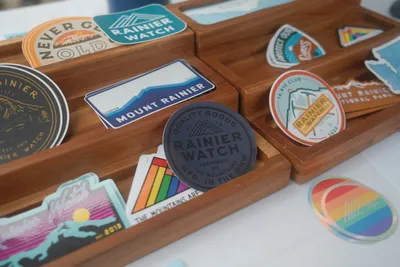
To preserve unused stickers, keep them on the original backing sheet to protect the adhesive from dust, moisture, and oils. Never peel a sticker just for inspection because lifting it can stretch the design and contaminate the adhesive. Store your collection in a stable environment at room temperature with moderate humidity to ensure long-term usability.
Place sheets in flat, acid-free sleeves, document folders, or sealed boxes. Avoid using rubber bands, tape clips, or overly filled binders, as these cause dents or curling. Label your folders clearly by size or theme. This organization makes each design easy to find without excessive handling, bending, or unnecessary exposure to bright light.
Avoid attics, bathrooms, cars, and sunny window sills where extreme heat or dampness can damage the print. For long-term preservation, follow the guidance from the manufacturers. They favor stable, acid-free enclosures and plastic like polyethylene or polypropylene. If you store stickers in sealed containers, check them occasionally for condensation or pests to maintain your collection's condition.
How Should You Store Paper Stickers For A Long Time?
Paper stickers absorb moisture and skin oils more readily than most vinyl stickers. Insects and acidic paper can damage paper stickers, so use clean, dry hands.
- Place sheets in acid-free sleeves, archival boxes, glassine envelopes, or polypropylene pockets.
- Support bending sheets with acid-free cards.
- Avoid PVC sleeves because aging plasticizers may leave surfaces sticky or affect the coating.
- Do not store stickers against newspapers, cardboard, or ordinary paper because acidity may cause yellowing.
These precautions also protect sentimental pieces with little financial value.
| Storage material | Suitable for long-term storage |
|---|---|
| Acid-free paper sleeve | Yes, when kept dry |
| Archival glassine envelope | Yes, for protected indoor storage |
| Polypropylene pocket | Yes, when it is PVC-free |
| Ordinary cardboard box | No, unless stickers have archival enclosures |
| PVC plastic sleeve | No, avoid prolonged contact |
| Wax paper | No, wax may transfer or affect adhesive |
Can You Use Parchment Paper To Store Stickers Safely?
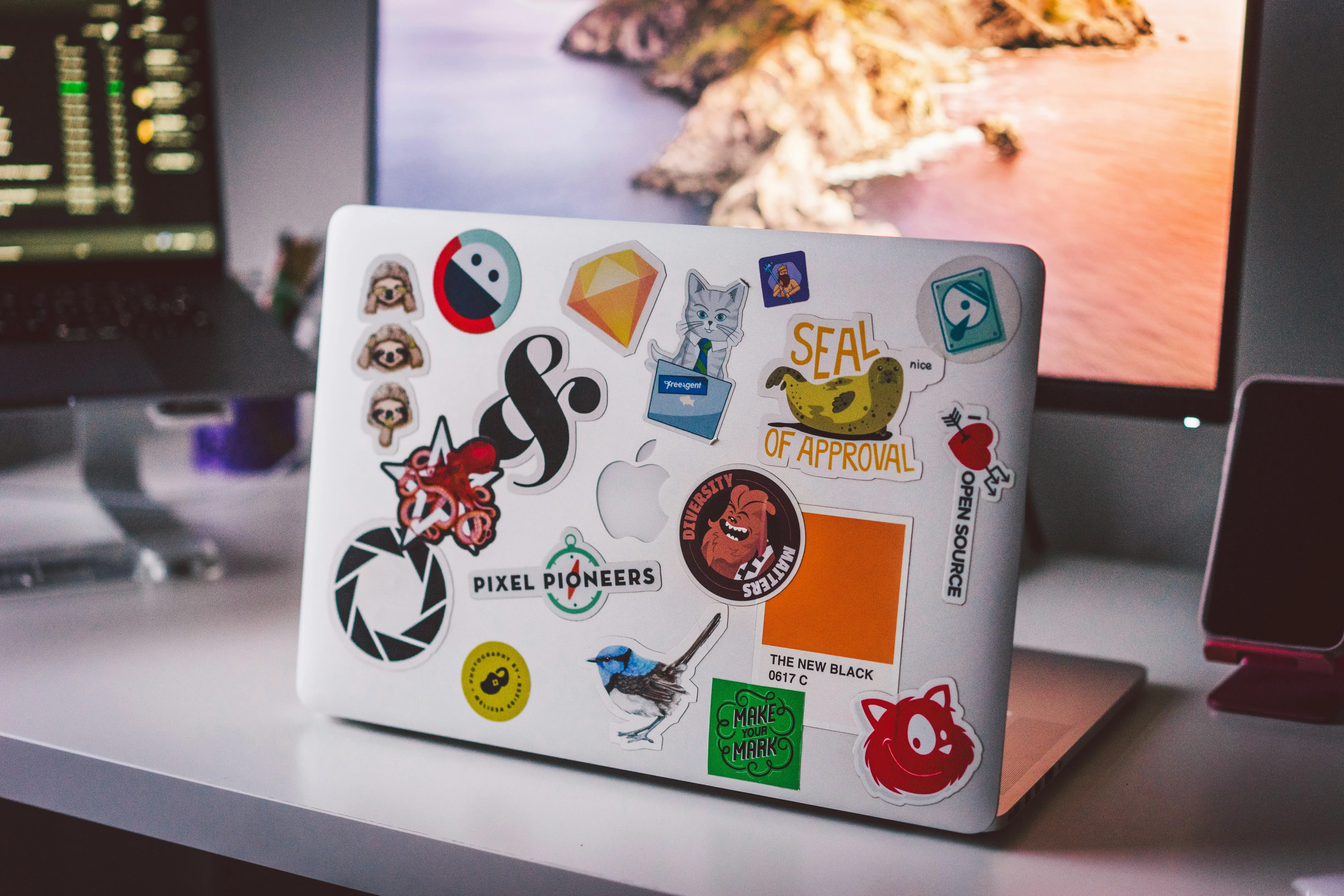
Baking parchment only offers temporary storage and fails to replace the original release liner reliably. Its surface may cause adhesive to bond poorly, leave residue, or lose strength.
Similarly, wax paper transfers residue to adhesive, while ordinary paper bonds too firmly. Professional release paper or reusable liner sheets remain safer options. Always test materials with unimportant pieces before risking valuable items, as proper backing paper is essential for their preservation.
Do Stickers Expire Or Lose Their Stickiness Over Time?
Stickers do not have a universal expiration date, as their adhesive, backing, coating, and ink components age at different rates. Factors like heat or humidity significantly accelerate deterioration. Keep storage environments stable, as repeated temperature shifts may cause the adhesive to cycle between softening and hardening, eventually compromising its stickiness.
Common warning signs of aging include yellowing, curling, cracking, or dried adhesive. Sun exposure fades print, while dust inhibits proper contact with surfaces. Always test an older sticker on a sample area before use. Do not apply rare or sentimental pieces until you assess their condition, because removal might cause damage.
Need custom stickers for your next promotional giveaway?
Turn your artwork into custom circle stickers your customers can display and enjoy. Add your logo or message to create a coordinated look for event packaging, favor bags, and promotional materials.
Custom stickers with our service hereHow Can You Make Stickers Last Longer After Applying Them?
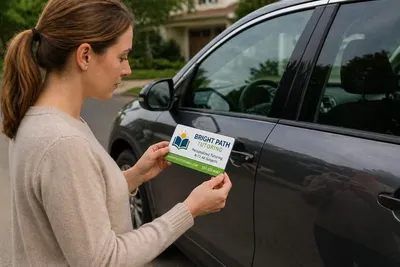
Applied stickers last longest on smooth, clean, dry, nonporous surfaces protected from friction, heat, strong sunlight, and standing water. Match the sticker to its intended use before application. To make them last longer, follow the steps below.
- Clean the surface and remove every trace of dust, grease, wax, and moisture.
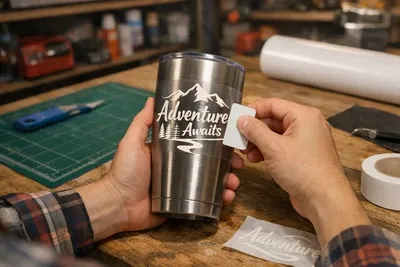
- Position the sticker once, then press it firmly from the center outward.
- Allow the adhesive to cure for the period recommended by its maker.
- Protect exposed edges when the material and location require it.
- Clean gently with a soft cloth and avoid harsh solvents.
- Inspect the edges regularly and address early lifting promptly.
Contamination often causes rapid peeling, even with good adhesive. Indoor paper stickers need protection from handling and moisture. Outdoor and vehicle decals need weather-resistant vinyl, ink, adhesive, and UV protection. Bottle stickers face condensation and gripping. Decorative paper stickers suit dry indoor objects.
How Should You Prepare A Surface Before Applying A Sticker?
Clean surfaces thoroughly to ensure proper adhesion. Remove all dust, grease, soap residue, wax, and polish using mild soap and water. Isopropyl alcohol works for compatible glass, metal, and plastic, but only when the manufacturer confirms it is safe, as it can dull finishes or damage plastics.
Let the surface dry fully before application. Trapped moisture reduces adhesive contact and creates bubbles. Clean an area slightly larger than the sticker and avoid touching the spot afterward. Never apply ordinary stickers to fresh paint, rough textures, cold materials, flexible fabrics, or curved objects unless the manufacturer explicitly approves that specific use.
How Can You Stop Sticker Edges From Peeling?
Stickers often peel when forced around curves, handled frequently, pressed unevenly, or exposed to moisture before curing. Contamination and trapped air bubbles also act as weak points. If the adhesive remains clean, warm the area gently with a hair dryer on a low setting. Keep the heat moving, then press from the center toward the edges using a soft squeegee.
A compatible edge sealer can protect vulnerable outdoor decals. Avoid excessive super glue or thick household adhesives, as these can stain prints, harden unevenly, and make removal difficult. If a sticker is badly stretched, cracked, or repeatedly lifting, replace it entirely. Repeatedly fixing a failing sticker often causes more damage than a fresh start.
How Can You Keep Stickers From Peeling Off?
Sunlight, heat, moisture, chemicals, and unstable inks damage stickers by weakening materials and fading colors. Avoid window placement. Use UV-filtering sleeves or specialized display cases to minimize exposure. Choose pigment-based or UV-resistant materials, as they handle light much better than standard options. The table below explains the expected protection for different display methods.
| Display method | Expected protection |
|---|---|
| Indoor dark storage | Strongest protection from fading |
| Shaded indoor display | Good protection with limited light exposure |
| UV laminate | Added scratch and UV resistance |
| Compatible protective spray | Moderate protection that varies by product |
| Direct outdoor exposure | Highest fading and weather risk |
These measures slow fading but do not prevent it forever. Continuous outdoor sunlight eventually affects inks, coatings, and vinyl. Rotate valuable displays or keep originals stored while showing reproductions.
Customize stickers with designs worth preserving
Give your logo, artwork, or personal message a distinctive look with custom square stickers. Their balanced shape provides space for branding on packaging, notebooks, and giveaway items.
What Can You Put Over A Sticker To Protect It?
The safest protective layer depends on the sticker material, ink, surface, moisture exposure, and whether later removal matters. The table below breaks down different protective layers, their best use, and their limitations
| Protective layer | Best use and limitation |
|---|---|
| Clear laminate | Even protection from scratches and light moisture |
| Transparent adhesive film | Flexible cover when applied without bubbles |
| UV-resistant spray | Added light protection when compatible with ink |
| Acrylic sealer | Light coats on tested craft applications |
| Polyurethane | Durable finish, but may react or yellow |
| Epoxy | Thick permanent coating for suitable rigid objects |
| Clear contact paper | Budget cover with less predictable durability |
Solvent-based products can cause ink bleeding, cloud the finish, curl paper, produce bubbles, or weaken adhesive. Home-printed paper stickers are especially vulnerable. When using an approved spray, apply several light coats and allow each to dry completely. A single heavy coat is more likely to pool, soften the ink, or trap solvents, potentially ruining your finished design.
What Is The Best Sealer For Vinyl Stickers?
A UV-resistant laminate is the best choice for vinyl stickers because it creates an even physical barrier. Other products like clear acrylic spray, compatible polyurethane, or specialized sealers also work depending on your ink and material. Always select options that align with your specific surface requirements.
Read manufacturer labels carefully. Test a spare piece for color changes or cracking. For weather-resistant results without household coatings, explore professionally printed custom stickers in a durable finish. This ensures reliable quality for your stickers and keeps them lasting longer.
Does Laminating A Sticker Make It Waterproof?
A compatible clear spray or laminate improves water resistance but does not make a sticker waterproof. Performance depends on ink, material, adhesive, and installation. Water-resistant means the sticker tolerates light splashes, while weather-resistant implies outdoor exposure. Dishwasher safe requires resistance to heat and detergent. Do not assume a sticker is waterproof without testing the system. Relying on surface coatings for heavy exposure leads to failure.
Apply several thin coats rather than one thick layer. Protect the edges, as water can enter underneath them. Products like Mod Podge or nail polish may yellow or crack. Always test on a spare. If you require weather-resistant results without household coatings, explore professionally printed custom stickers in a durable material and finish. This ensures designs endure longer and resist degradation.
Looking for custom stickers that fit your budget?
Explore custom rectangle stickers for your next branding or personal project. Compare sizes and quantities to find an option that accommodates your artwork and fits your budget.
Custom stickers with our service hereShould You Laminate Stickers To Make Them Last Longer?
Lamination can reduce scratches, handling wear, light moisture damage, and some UV exposure. It does not make every sticker fully waterproof, especially when edges, adhesive, or the underlying surface remain vulnerable.
- Let printed ink dry and cure for the recommended time.
- Clean loose dust from the sticker surface without rubbing it.
- Align the laminate before allowing its adhesive to make contact.
- Apply it gradually from one side while maintaining light tension.
- Push bubbles outward with a soft squeegee or cloth.
- Trim cleanly while leaving enough protected material around the design.
Self-adhesive cold laminate needs no heat and suits many home-printed stickers. Thermal laminate uses heat and may damage heat-sensitive vinyl, coatings, or adhesive. Clear vinyl overlays offer flexible protection for compatible decals. Packing tape can work for small craft projects but often creates seams, bubbles, glare, and uneven edges. For a consistent finish across a larger order, choose professionally made vinyl stickers instead of sealing every piece manually. Select a material and finish suited to the intended conditions.
Can You Remove And Reuse Stickers Without Damaging Them?
Some stickers can be removed and reused, but success depends on their material, adhesive, age, and surface. Follow the steps below to remove and reuse stickers without damaging them.
- Warm the sticker gently with a hair dryer on low heat.
- Lift one corner with a fingernail or plastic edge.
- Peel slowly back over itself instead of pulling upward.
- Keep dust and fingers away from the exposed adhesive.
- Place the sticker immediately on clean release paper.
Thicker vinyl decals and repositionable stickers usually survive removal best. Thin paper stickers tear easily, while aged vinyl often stretches or cracks. If adhesive fails, restore tackiness using repositionable spray adhesive or double-sided sheets. Always test restoration methods on spares before applying them to valuable collectibles.
Never apply excessive heat or pull sharply, as this causes damage. Do not scrape with metal blades, which risk cutting the sticker and the object. Avoid permanent glue on collectible pieces, as it alters their condition and prevents future preservation. If a sticker shows cracking or lifting, replace it entirely.
Frequently Asked Questions About How To Preserve Stickers
How Do You Preserve Stickers For A Long Time?
The best way to preserve stickers is to keep unused designs on their original liners inside flat, acid-free, and PVC-free storage enclosures at a stable room temperature away from humidity. When applied, ensure surfaces are clean and dry, allow sufficient time for curing, and utilize reliable protection against water damage, handling friction, and harmful UV light exposure.
What Can You Put Over Stickers To Protect Them?
You can protect stickers with clear laminate, transparent adhesive film, UV-resistant spray, acrylic sealer, polyurethane, epoxy, or clear contact paper. Clear laminate usually provides the most uniform barrier against damage. Always test your chosen cover on a spare sticker first. This confirms it will not bleed ink, cloud the finish, curl the paper, or weaken the adhesive.