Is It Illegal To Have A Flag On Your Car: And What Rules Should You Know?
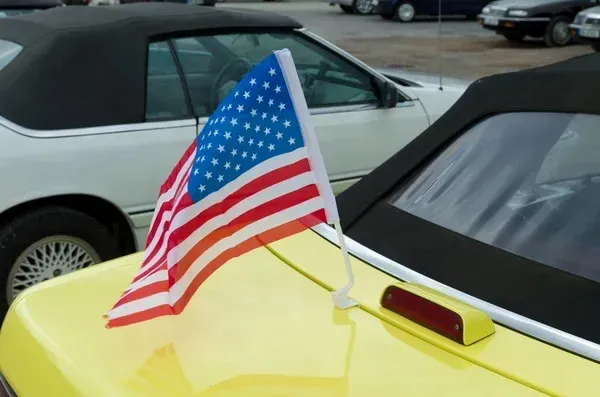
On a vehicle, it is generally allowed, but it is a positioning and mounting method matter. A flag that blocks your view, hides required equipment, or becomes loose in traffic may lead to a stop or citation.

Key Takeaways
- A securely mounted car flag is usually permitted.
- The flag must not block the plate, lights, windows, or mirrors.
- State and local car flag laws can differ.
- Large flags may become unstable at road speed.
- Vehicle safety laws and flag etiquette are separate issues.
Is It Illegal To Have A Flag On Your Car
Displaying a flag on a vehicle is generally permitted, provided it is securely fastened without obstructing your view, mirror lights, or license plate. While legal requirements fluctuate between states and cities, drivers must review the specific statutes governing their area before choosing to install any decorative display on the vehicle.
Individuals questioning whether car flags are illegal should realize the flag itself is rarely the focus of legal scrutiny. Law enforcement enforces rules against obstructed visibility of secure plates or unsafe equipment. A secure car window flag poses few risks, whereas an improvised banner might obscure brake lights or drift into adjacent lanes, creating hazards for other motorists.
The answer to whether it is legal to have a flag on your car depends entirely on your setup. Consult your local Department of Motor Vehicles to ensure you are compliant. A display accepted in one location might violate rules elsewhere, so prioritize safety to avoid potential citations.
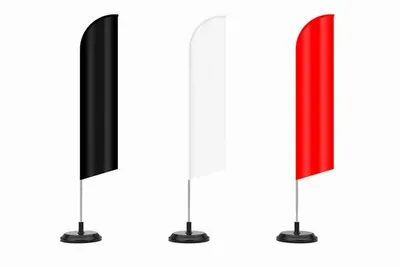
Make a strong impression with custom car flags
Turn your vehicle into a moving display with custom car flags featuring your logo, message, team colors, or event artwork. Choose a clear, professional design and always mount the flag securely without blocking your windows, mirrors, lights, or license plate.
When Can A Flag On Your Car Become Illegal?
A flag may become unlawful or ticket-worthy when it interferes with safe driving, required vehicle equipment, or other road users. The most common problems include the following:
- The flag covers part of the license plate.
- The fabric hides brake lights or turn signals.
- The mount blocks the windshield or a mirror.
- The pole extends dangerously into another lane.
- The flag is too large for its mounting point.
- A weak clamp allows the pole to move.
- Loose ropes or fabric reach the tires.
- The flag creates a risk of falling into traffic.
- Violent movement distracts the driver.
- The installation violates a state rule for projecting objects.
These basic flag-on-car rules apply to many flag types. The wording, design, or message on the flag usually matters less than whether the installation creates an obstruction or a road hazard.
Can A Flag Block Your License Plate Or Lights?
If you have a flag on your car, ensure this flag never obstructs the license plate, brake lights, or turn signals. In California and Florida, regulations require license plates to remain securely mounted and fully legible. Even intermittent coverage, such as a hanging flag blowing over the plate during motion, creates problems and may lead to legal issues.
Nothing should prevent police, other drivers, or traffic cameras from reading your plate. Before traveling, inspect your vehicle from all angles. Have an assistant engage the brakes and signals to confirm that every light remains visible.
Perform another check after a short, low-speed drive. Wind can shift a vehicle flag into a position that appears clear while parked. Constantly monitor your display to ensure it does not obstruct safety equipment or violate local laws.
Can A Flag Block Your View While Driving?
Ensure no obstruction exists on your windshield, side windows, or mirrors. Risks include oversized flags near driver windows or rear flags that obstruct the back glass. Statutes like California Vehicle Code Section 26708 and similar Florida laws restrict materials obstructing vehicle windows to prevent vision interference. These regulations emphasize that accessories must not compromise your ability to monitor road conditions safely.
While decorations seem harmless while parked, visibility laws assess whether drivers can observe cyclists or other vehicles. A window-mounted flag must stay clear of mirrors and avoid shifting across windows during wind exposure.
Why Do Some People Recommend Not Flying Flags Behind Cars?
Rear-mounted flags often create visibility problems, as they can loosen or whip, distracting nearby motorists. These risks increase significantly with long poles or large banners. While a set-top might appear stable when packed, highway speeds subject the fabric to intense wind pressure, causing clamps to shift or poles to bend, creating potential traffic hazards.
Drivers often observe others flying a flag on their vehicle and wonder why it is discouraged. Another person's set top does not ensure your own safety or compliance. Small purpose-designed flags are usually acceptable, while large displays belong in parades.
Need custom hand flags for your next parade or promotional event?
Bring your campaign, celebration, team, or community event to life with custom hand flags. Add your preferred colors, artwork, logo, or message to create lightweight flags that supporters can carry and wave safely.
Explore options for custom hand flags hereIs It Legal To Fly A Flag On A Pickup Truck?
Trucks are commonly used to display flags. The same visibility equipment and mounting rules still apply to them. Truck owners must consider the following:
- bed-mounted poles
- rear extensions
- loose hardware
- overhead clearance
- fabric that could whip towards traffic
The law may treat a tall pole or oversized flag differently from a small state flag on a car window mount.
| Flag setup | Typical use | Main concerns | Safer approach |
|---|---|---|---|
| Small car flag | Short trips and events | Window and mirror obstruction | Use a secure vehicle rated mount |
| Truck bed flag | Pickup beds and gatherings | Loose clamps and rear visibility | Attach it to a stable bed structure |
| Large pole mounted flag | Parades and parked displays | Wind resistance and pole extension | Use only in controlled settings |
Drivers questioning if it is illegal to fly a flag on your car must review the laws for each state they plan to visit. Regulations regarding equipment visibility and vehicle projections often apply, even when statutes do not explicitly mention flags.
How Should You Mount A Flag On A Truck Safely?
The mount should be attached to a stable part of the truck. Temporary tape, weak plastic clips, thin rope, and lightweight improvised hardware may not withstand road speed. Before entering traffic, complete these checks:
- Tighten every bolt, clamp, and fastener.
- Inspect the pole for cracks, bending, or corrosion.
- Confirm that the pole cannot rotate into another lane.
- Keep the fabric away from the tires and exhaust.
- Make sure the flag cannot cover the plate or lights.
- Check the pole height against bridges and parking structures.
- Test the mount at a low speed.
- Stop immediately if the setup moves or loosens.
Long projections behind or above trucks often trigger legal issues, so always verify state regulations first. Drivers wondering whether I can put a flag on my car must select equipment specifically designed for their vehicle. Professional mounts and kits are far safer than improvised options, provided you strictly follow all installation guidelines.
Are Car Flag Laws Different In California Or Florida?
State regulations regarding vehicle flags vary significantly because each jurisdiction independently manages statutes governing license plates, visibility, and projecting loads. For example, California enforces strict rules on window obstructions, while Florida prohibits any items that obscure license plates. These differences mean that a display compliant in one location might violate another area's specific vehicle code.
The legality of your setup does not depend on a single national rule. Instead, the outcome depends on the flag’s placement, size, and movement. Drivers must verify local laws before travel. When researching whether you can put a flag on your car, avoid relying on advice written for a different state.
Always consult your current local vehicle code and official transportation guidance for accurate information. Relying on state-specific resources ensures that your display remains compliant and safe while you are on the road. Failing to check these regional requirements could lead to avoidable citations or safety issues during your journey.
Customize rectangle flags with bespoke or branded designs and make an impression
Display your identity, organization, business, or special message with custom rectangle flags designed around your artwork. Choose a suitable size and layout to create a versatile flag for events, buildings, controlled outdoor displays, or promotional settings.
Is It Disrespectful To Put A Flag On Your Car?

Displaying a vehicle flag is not inherently disrespectful. People fly flags to celebrate patriotism, support sports teams, or promote businesses. The primary consideration is not the choice of flag, but how the display is presented to others on the road.
Public perception depends on how you maintain your display. Letting a flag drag on the road, become torn, or attach to a dirty vehicle is seen as poor practice. When showing an American flag on car surfaces, drivers should understand that traffic laws are separate from proper etiquette.
Safety remains the priority. Keep every flag secure, clean, and in excellent condition. Choose a mounting position that demonstrates respect without creating risks for other motorists.
What American Flag Etiquette Should Drivers Know?
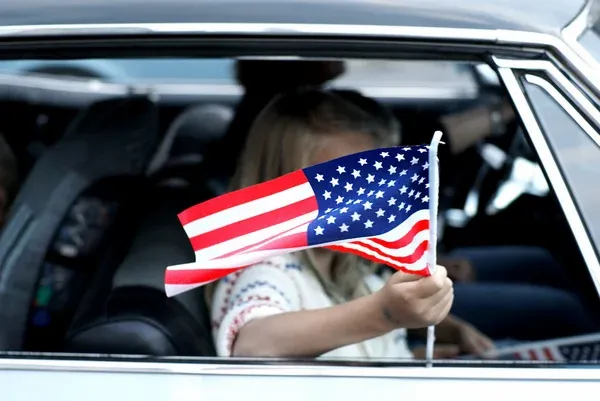
The United States Flag Code advises against draping flags over vehicle surfaces like the hood or sides. Instead, firmly attach the staff to the chassis or right fender. Ensure the flag does not touch the ground or remain in conditions that cause it to become easily soiled, torn, or damaged. Practical etiquette includes the following.
- Keep the flag clean and dry.
- Use a firm and upright mounting position.
- Do not allow the fabric to drag.
- Replace a badly frayed or torn flag.
- Remove it during severe weather.
- Store it carefully when not in use.
- Follow special guidance applying to national flags.
Etiquette can differ for military, sports, political, business, and national flags. Flag Code guidance should not be presented as traffic law unless an enforceable state or local provision applies.
Is Defacing A Flag A Crime?
Whether defacing a flag is a crime depends on national laws, circumstances, and constitutional principles. In the United States, expressive treatment of the flag involves complex First Amendment considerations that remain distinct from standard regulations governing vehicle safety, equipment, and road hazards.
Most concerns regarding vehicle flags relate to visibility, mounting, and traffic safety rather than political expression. Consult a qualified legal guide for details regarding flag desecration laws, which vary significantly internationally.
Why Are People Putting Flags On Their Cars?
Drivers choose to display vehicle flags for various reasons, including patriotism, sports team support, or community event participation. The specific motivation for the display is rarely the primary legal concern compared to the installation method itself. A national flag, sports emblem, or business banner can create identical traffic risks if they become detached or obstruct a driver’s view of the road, mirrors, or other critical vehicle equipment.
The answer to "Can you drive with a flag on your car?" does not normally depend on the driver’s motivation. Regardless of the reason for the display, safe installation remains the essential priority. Adhering to local road regulations and ensuring the mount is secure are the most effective ways to prevent hazards, ensuring that your choice of expression does not interfere with the safety of others on the road.
Looking for an affordable solution for custom promotional flags?
Create personalized promotional flags for vehicle displays, parades, celebrations, business campaigns, and outdoor events. Imprint Now offers several flag styles, sizes, and customization options, helping you find a product that suits your message and intended display.
Compare custom flag options and get started hereHow Can You Safely Drive With A Flag On Your Car?
Complete this checklist before driving with a flag on your car:
- Use a mount designed for vehicles.
- Tighten all clamps and bolts.
- Keep the full license plate visible.
- Keep every light and reflector clear.
- Confirm that all mirrors remain usable.
- Keep the windshield and windows unobstructed.
- Choose a moderate flag size.
- Remove loose rope and fabric.
- Keep the pole away from nearby lanes.
- Inspect the flag for tears.
- Test the installation at a low speed.
- Recheck it after the first few minutes.
- Remove it during severe weather.
- Stop if it loosens or flaps violently.
Do not continue driving with an unstable setup. Pull over safely and remove or adjust the flag before continuing.
What Size Flag Is Safe For A Car Or Truck?
Evaluate your vehicle, mount, and environment to choose a safe flag size. Compact options reduce drag and stress, lowering failure risks. Always match flag dimensions to your secure mount. Suitable flag size depends on these factors.
- The vehicle’s size.
- The strength of the mount.
- The pole material and length.
- Normal driving speed.
- Weather and wind conditions.
- Flag fabric and weight.
- State rules concerning projections.
Very large flags should be reserved for parked displays, low-speed parades, or controlled events. A mount that holds a flag while parked may not be suitable for highway driving.
How Long Will A Flag Last On A Vehicle?
Vehicle flags typically experience more rapid wear compared to stationary flags due to constant exposure to wind pressure, sunlight, road dust, and movement at high speeds. Because there is no fixed lifespan for these items, their overall durability relies heavily on the quality of materials, the precision of the stitching, and the specific mounting method utilized.
Choosing a product specifically rated for vehicle use with reinforced seams often provides greater longevity than standard decorative options. However, even high-quality fabric will eventually fray when regularly subjected to the intensity of highway wind.
To extend the lifespan of your flag, you should proactively remove it during severe weather conditions, inspect the seams after long journeys, and ensure it is washed according to manufacturer instructions. If you notice any tearing or weakened stitching that might allow the flag to detach, you should replace it immediately. Proper maintenance and storage are essential for keeping your vehicle flag in good condition.
Frequently Asked Questions Is It Illegal To Have A Flag On Your Car
Is It Illegal To Drive With A Flag On Your Car?
Driving with a flag is typically legal if securely mounted, provided it does not block your view, mirrors, lights, or license plate. A citation may occur if the setup creates hazards or obstructs equipment. The answer to "Can you put a flag on your car?" is yes, following all local regulations.
Can A Flag On Your Car Cover Your License Plate?
Flags must never obscure your license plate or impede the legibility of its registration details. You should inspect the plate for visibility while stationary and again following a low-speed test, as moving fabric can occasionally obstruct the view. If any interference is observed, you must reposition or remove the flag.