What Are Wristbands For: A Look At Their Most Common Uses
Wristbands are used to identify people, manage entry, absorb sweat, share messages, and connect guests with electronic services. If you are asking what wristbands are for, in this guide, we explain how each tab works and help you choose one for your events, workout campaign, or everyday needs.


Key Takeaways
- A wristband serves a specific purpose based on its material, design, closure, and technology.
- Event bands help staff check admission, while absorbent sports bands help manage sweat.
- Hospital bands carry patient identification details, and silicone bands commonly display messages or branding.
- Electronic access and cashless payments require compatible tags, readers, and supporting systems.
Table of contents
-
What Are Wristbands For and How They Are Used
-
Why Are Wristbands Used At Events?
-
Why Do Athletes Wear Wristbands?
-
What Are Wristbands Used For In Hospitals?
-
Why Are Wristbands Used For Fundraising And Awareness?
-
How Do RFID Wristbands Work?
-
What Are The Different Types Of Wristbands Used For?
-
Which Type Of Wristband Is Right For Your Needs?
What Are Wristbands For and How They Are Used
Wristbands are worn for identification, event access, sweat control, practical sports needs, fundraising, awareness, security, healthcare identification, branding cashless or RFID access
What a wristband does depends on its material, design, and setting. Two bands that look similar can therefore serve completely different purposes for their wearers.
If you are asking, "What are wristbands for?" start with the task you need one to perform. At imprintnow, we offer custom wristband options for different settings, so you can compare the product details before choosing your design.
- Identification bands help staff recognize guests, patients, or team members.
- Admission bands show permissions according to the rules of a venue.
- Absorbent bands collect perspiration during exercise and sporting activities.
- Message bands display courses, organizations, memories, or personal statements.
- Electronic bands communicate with compatible readers to support approved system functions.
Why Do People Wear Wristbands?
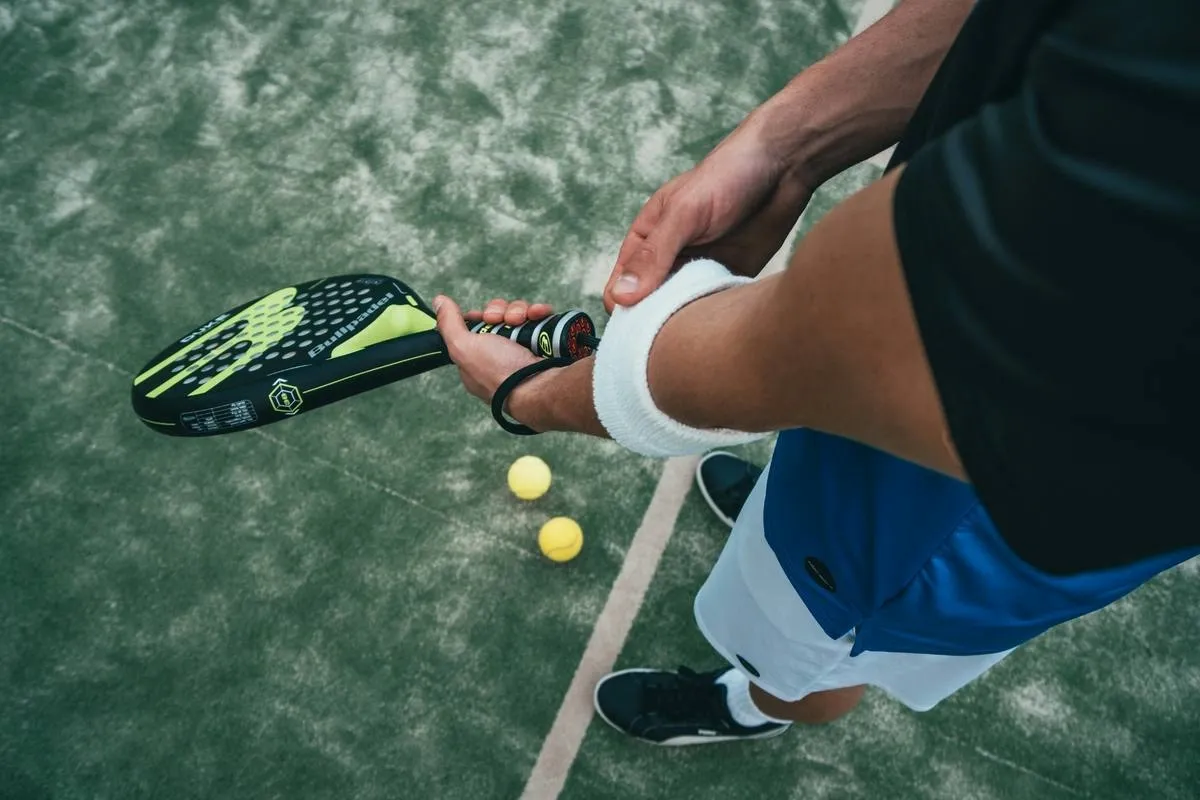
People wear wristbands for practical reasons, personal expression, or both. At a festival, your band may provide visible proof of admission. During tennis, an absorbent band gives you somewhere to wipe perspiration. In a hospital, a patient's band carries details that staff check during care.
You might also wear one because you support a charity, like the design, remember an event, or belong to a group. A branded silicone band does not necessarily support your wrist physically, even matching colors tell you little without considering the wording, setting and intended purpose.
Why Do People Wear Silicone Wristbands Every Day?
Silicone wristbands can serve as reminders, accessories, or expressions of belonging. Your band might represent a school, memorial, local organization, or personal goal. Keeping an event band after the occasion can also give you a simple reminder of an experience that mattered to you.
There is no hidden universal meaning behind every silicone band. Its significance usually comes from the wearer, wording, or campaign. Ordinary silicone does not absorb perspiration like a fabric sweatband, and a promotional band does not provide electronic access unless it contains the necessary technology.
Why Are Wristbands Used At Events?
Wristbands keep permissions visible throughout concerts, festivals, conferences, nightclubs, theme parks, and resort visits. Your band stays on your wrist while you move between activities. That can make repeated checks more convenient than finding a ticket each time you approach an entrance or restricted area.
- Admission: Shows that a guest has completed the required entry process.
- Restricted access: Separates backstage, hospitality, staff, and general attendance areas.
- Reentry: Helps staff recognize returning guests where venue rules allow it.
- Identification: Distinguishes groups, booking categories, or different event sessions.
- Age verification: Can indicate that staff completed an appropriate identity check.
- Crowd management: Helps direct different groups toward their assigned areas.
We offer custom event wristbands that combine guest identification with visible branding. You can plan colors, wording, and closures around your admission process, then brief staff before opening. A wristband alone does not verify age or guarantee entry without the appropriate checks.
How Do Wristbands Help With Event Security?
Contrasting colors, printed dates, serial numbers, and barcodes help staff distinguish permissions quickly. For example, an attendant might check both your session date and access category before allowing you into a restricted area. Clear printing helps make those decisions easier during busy entry periods.
If you organize events, treat wristbands as one part of your security process. Trained staff, controlled distribution, and consistent checks still matter. A removable band may be shared, while a damaged closure may require investigation. Give legitimate guests a clear procedure for requesting replacements.
Plan how staff should respond when a band is missing, appears altered, or does not match the expected category. Control replacement stock and record replacements where appropriate. A small number of clearly distinguishable categories may be easier to manage than many similar colors under poor lighting.
Make a strong impression with custom wristbands
Work with us to create custom wristbands featuring your logo, message, or event branding. Whether you are welcoming guests, promoting your business, or supporting a community initiative, we can help you create a design that keeps your message visible.
Why Do Athletes Wear Wristbands?
When you ask what do wristbands do in sport, the answer depends on the equipment. A soft absorbent band, a play sheet holder, and a structured wrist support have different functions. Seeing athletes wear them during the same game does not make them interchangeable.
- Sweat management: Helps tennis players, runners, and basketball players wipe perspiration.
- Equipment handling: May feel easier when less sweat reaches your hands.
- Communication: Lets football and baseball players reference prepared team information.
- Team identity: Comes from matching colors, names, or printed messages.
- Light coverage: Adds a fabric layer without necessarily stabilizing your wrist.
Choose equipment around your activity and the benefit you actually need. Absorbency may matter most for pickleball, while strength training may involve separate wraps or lifting straps. Check the relevant sports rules before wearing accessories in competition, especially when loose items could interfere with play.
How Do Sweat Wristbands Help With Grip During Exercise?
Absorbent wristbands catch some perspiration traveling down your forearm and provide a surface for wiping sweat away. Reducing excess moisture around your hands can make holding a tennis racket, pickleball paddle, or exercise handle more comfortable. The effect depends on how much you sweat and the fabric capacity.
Do not expect a band to keep your hands completely dry throughout every workout. Your palms also produce sweat, and saturated fabric may need changing. The practical benefit comes from moisture management rather than increased muscular strength, so suitable equipment grips and a towel can still be useful.
Why Do Football And Baseball Players Wear Wristbands With Plays?
Play wristbands usually have pockets, panels, or reference windows containing prepared information. Players can consult printed plays, numbered instructions, or signal references during competition. A quarterback might match a called number to a play, while baseball players may check a prepared team signal system.
These holders differ from ordinary sweatbands because their main purpose is communication. They work best when everyone uses the same reference system and the information remains readable. Permitted equipment and communication methods vary, so your team should follow the rules governing its competition.
Do Wristbands Actually Improve Athletic Performance?
A wristband may make exercise more practical by managing sweat or keeping play information accessible. However, wearing an ordinary band does not automatically increase your strength, endurance, balance, or skill. Feeling more comfortable during a workout is different from demonstrating a direct improvement in performance.
The American Council on Exercise reported that its performance bracelet study found no improvement from the tested Power Balance bracelet compared with a placebo. That finding concerns the product tested. Braces, wraps, and lifting straps serve different purposes and need to be assessed separately.
Try an absorbent band during a normal training session and notice whether it solves a specific sweat problem. If it slips, distracts you, or stays soaked, another size or a towel may work better. Choose it for a practical benefit you can recognize during your activity.
Need custom wristbands for your next promotional giveaway or other project?
We can bring your message to life on printed silicone wristbands for awareness campaigns, school activities, and promotional giveaways. Personalize your bands with wording and artwork that give supporters a wearable reminder of your organization or cause.
Explore options for custom wristbands hereWhat Are Wristbands Used For In Hospitals?
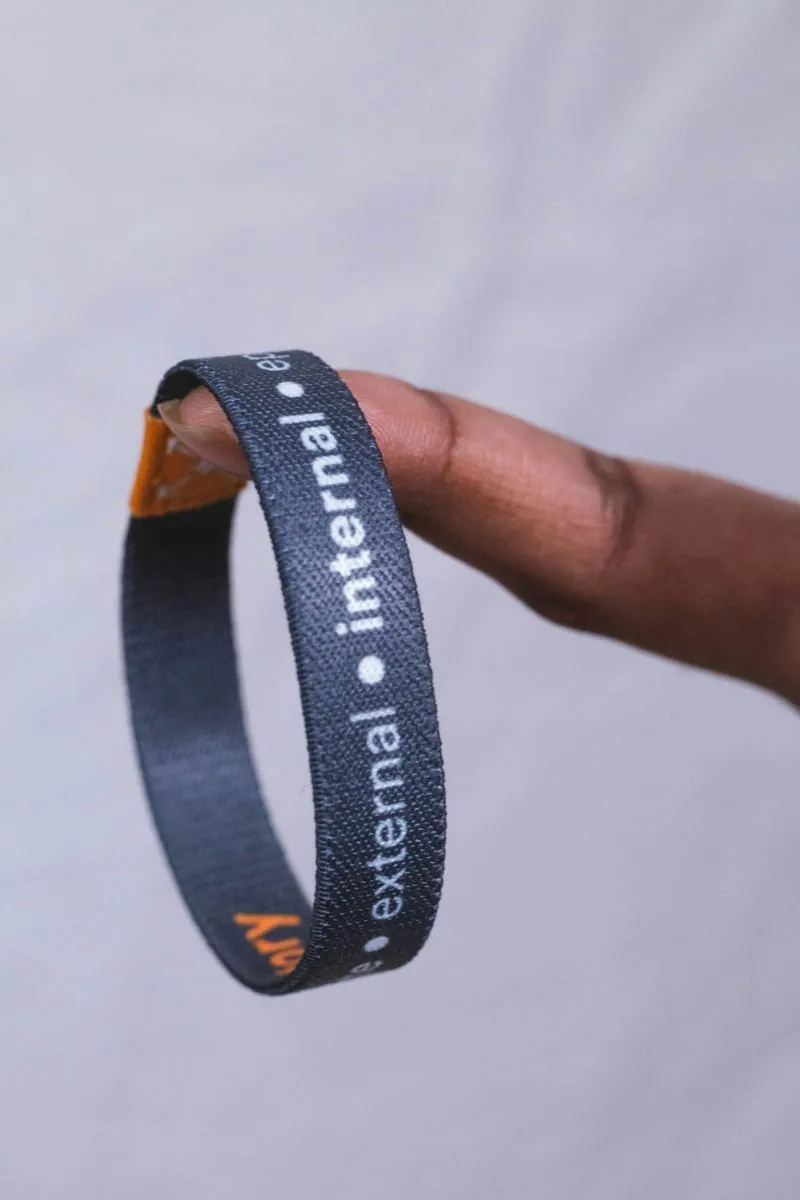
Hospital wristbands primarily carry patient identification information. Printed names, birth dates, identification numbers, or barcodes help staff connect you with the correct records and care processes. Their function is therefore different from that of promotional accessories or sports sweatbands, even though all sit around the wrist.
The Joint Commission explains in its patient identification guidance that the identifying information matters, rather than the armband itself. Its requirements call for two patient identifiers, and a room number is not an acceptable unique identifier. Ask staff to explain unfamiliar markings or correct inaccurate details.
Avoid interpreting a hospital band by color alone or removing it without asking your care team. Local procedures determine its meaning and use. If your band becomes uncomfortable, damaged, or unreadable, notify staff so they can address the problem through the appropriate identification process.
Why Are Wristbands Used For Fundraising And Awareness?
A wristband puts a campaign name or message somewhere supporters can wear it visibly. Charities, schools, community groups, and teams may distribute bands at activities or offer them for sale. A short, readable message helps people connect the accessory with the initiative behind it.
Fundraising and awareness have different objectives. Selling a band may generate money after costs, while giving one away may mainly encourage recognition or participation. If you run a campaign, explain who benefits and how proceeds are calculated rather than implying that every purchase produces a fixed donation.
We offer printed silicone wristbands for custom messages and branding. We can help you explore designs for school programs, community initiatives, and awareness events. Confirm the wording, size, artwork, and campaign details before ordering so your finished band communicates the intended message clearly.
Can The Color Of A Wristband Have A Meaning?
Colors may distinguish groups, reflect personal preferences, or support an established visual identity. Your event might assign one color to staff and another to guests. A school may choose its familiar colors, while a campaign gives a particular shade meaning through its published materials.
Black, white, yellow, and other colors do not always communicate the same message. Meanings can differ between organizations, campaigns, and countries. Check printed wording or ask the relevant organizer or care team before drawing conclusions about a band, especially when health, age, or access permissions are involved.
Customize wristbands with bespoke or branded designs and make an impression
Give your message a distinctive finish with our embossed wristbands. Create a raised design that reflects your team, organization, or campaign, and choose colors that complement your branding. We help you turn a simple accessory into a recognizable expression of support.
How Do RFID Wristbands Work?
RFID means radio frequency identification. A compatible wristband contains a small tag with an antenna and chip that exchanges information with a reader. The reading range depends on the technology and installation, so some systems require a close tap while others work from farther away.
- Bring your wristband within the intended reading range of the device.
- The reader detects the tag and obtains its identifying data.
- The connected system checks the relevant account, permission, or balance.
- The system permits or rejects the requested action according to its rules.
You may encounter these systems at venue entrances, hotel facilities, or cashless payment points. NIST provides RFID security guidance addressing system risks and safeguards. Ordinary bands do not gain electronic functions through their material alone. Activity tracking also requires a system that records interactions, rather than implying continuous location awareness by default.
Looking for an affordable solution for custom wristbands?
Explore our wristband range to find an option that fits your project and budget. We offer styles for promotional activities, community events, and everyday branding. Compare the available designs and quantities to choose wristbands that suit your audience and your plans.
Get started with custom wristbands hereWhat Are The Different Types Of Wristbands Used For?
Compare the function before choosing the material. If you are researching what are wristbands used for, this table gives you a practical starting point. Closure quality and individual product specifications still affect whether a particular band suits your purpose.
| Wristband type | Typical uses |
|---|---|
| Tyvek | Short events and visible admission checks. |
| Fabric | Festivals, extended wear, and event keepsakes. |
| Silicone | Awareness, promotion, personal messages, and accessories. |
| Absorbent fabric | Sweat management during sports and exercise. |
| Hospital identification band | Carrying patient details for identification checks. |
| RFID band | Electronic access or payment within compatible systems. |
Consider durability, comfort, security, water exposure, reuse, and total cost together. One fabric band might have a locking closure while another is removable. An RFID tag can also be embedded in different materials, so electronic capability is separate from the outer construction of the band.
Think about disposal and reuse before purchasing. A reusable design only delivers that benefit if people keep using it. Avoid unnecessary quantities and ask about the complete product, including closures and electronic components, before making recycling claims or selecting a waste collection route.
Which Type Of Wristband Is Right For Your Needs?
Start with the job your band must perform, then compare the available specifications. Our wristband product selection gives you another place to explore styles. Use the following checklist to identify the questions you need answered before choosing a product or placing your order.
- Purpose: Decide whether you need admission control, sweat absorption, identification, a souvenir, or a campaign message.
- Duration: Match the expected wearing period with the material and closure, particularly for events lasting several days.
- Environment: Check suitability for rain, swimming, exercise, washing, and other expected exposure instead of assuming every band is waterproof.
- Security: Decide whether visible printing is enough or whether controlled distribution, scanning, and closures showing damage are needed.
- Comfort: Check size, adjustability, edges, and fit with a sample where possible, especially for extended wear.
- Customization: Keep essential text readable, confirm artwork, and allow time to review production requirements before your event.
- Electronics: Confirm reader compatibility, software, account setup, payment arrangements, and support before choosing an RFID option.
Choose absorbent fabric for sweat management and consider silicone for a reusable message band. For admission, assess Tyvek, plastic, or fabric alongside the closure and checking process. Testing a sample can help you identify fit or readability problems before committing to a full order.
Frequently Asked Questions About What Are Wristbands For
What Are Wristbands Used For?
Wristbands support identification, admission, sweat management, awareness, fundraising, communication, and electronic services. If you are wondering what do wrist bands do, the answer depends on the specific design and setting. A plain band cannot provide every function simply because you wear it on your wrist.
Why Do People Wear Silicone Wristbands?
People wear silicone wristbands to support causes, display messages, remember events, promote organizations, or enjoy an accessory. The meaning comes from the wording and context rather than a universal color code. Ask the wearer or organization if you want to understand an unfamiliar message.


